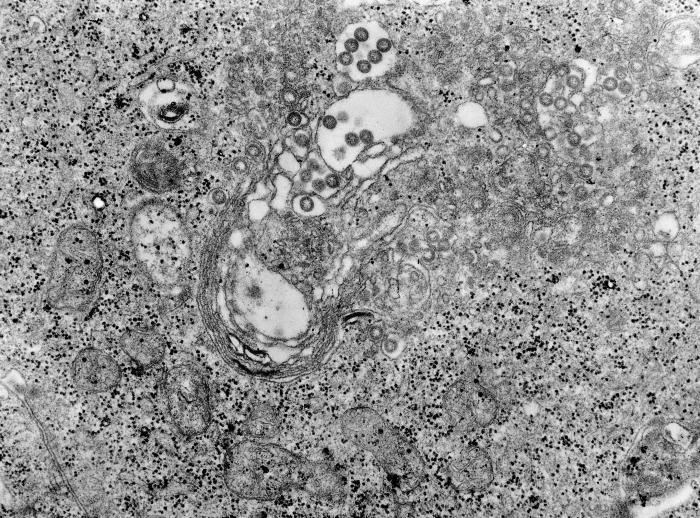
Rift Valley fever, a viral disease transmitted by mosquitoes, primarily affects livestock and poses a significant risk to human health. Surprisingly, while many human cases remain mild, the disease has been linked to serious complications and even death. As awareness of Rift Valley fever increases, understanding its transmission, clinical manifestations, and preventative strategies becomes critical, especially for those in high-risk occupations. In this guide, we will delve into what Rift Valley fever is, explore how it spreads, and discuss measures to effectively control and prevent outbreaks.
Understanding Rift Valley Fever: What You Need to Know
Rift Valley fever is classified as a zoonosis, meaning it primarily affects animals but can also be transmitted to humans. The causative agent of Rift Valley fever is the RVF virus, which belongs to the Phlebovirus genus within the Bunyavirales order. This disease predominantly impacts domestic animals like cattle, sheep, and goats, leading to severe health implications for livestock and economic losses for farmers. In animals, it can cause significant issues such as:
- Reduced milk production
- High mortality rates among newborns
- Mass abortions in pregnant females
- Death in 10% to 20% of cases
While most human infections lead to flu-like symptoms, a small fraction can develop severe complications, including hemorrhagic fever, eye disorders, and meningoencephalitis. The fatality rate for infected humans can reach around 1%. Understanding these critical aspects of Rift Valley fever can help mitigate its impact.
Transmission: How Rift Valley Fever Spreads
Transmission of Rift Valley fever occurs predominantly through the bites of infected mosquitoes. At least 50 species of mosquitoes, including Aedes, Culex, and Anopheles, are responsible for spreading this virus. The transmission cycle begins when mosquitoes feed on infected animals, which then pass on the virus to other animals. Moreover, vertical transmission from infected female mosquitoes to their eggs can enable the virus to persist in the environment.
For humans, the most common route of infection occurs through direct contact with blood or organs of infected animals, often during veterinary work or slaughter. While mosquito bites can transmit the virus to humans, this method is much less common. Importantly, there has been no evidence of human-to-human transmission.
This cyclical pattern of outbreaks has led to significant concern, especially as environmental factors such as heavy rainfall create ideal conditions for mosquito breeding. Recent outbreaks in Senegal highlight the ongoing challenges posed by Rift Valley fever, emphasizing the need for effective monitoring and control strategies.
Outbreak Patterns and Environmental Factors
Historically, Rift Valley fever outbreaks have emerged in cyclical patterns, typically every five to 15 years. This recurrence is often linked to environmental conditions, such as periods of heavy rainfall that favor mosquito breeding. For example, the severe outbursts in 1998-1999 were directly associated with rains caused by the El Niño climate phenomenon. Understanding these patterns can aid in predicting future outbreaks and establishing timely responses.
Fortunately, surveillance and monitoring of environmental conditions can help anticipate outbreaks. Key risk factors include:
- Heavy rainfall and flooding
- Movement of livestock
- Accidental transport of infected mosquitoes
Identifying these indicators can be instrumental in controlling the spread of the Rift Valley fever virus before outbreaks occur.
Symptoms, Diagnosis, and Treatment Options
In animals, clinical symptoms of Rift Valley fever can vary but often include nasal discharge, excessive salivation, and weakness, leading to significant losses in livestock health. In humans, the incubation period for the virus ranges from two to six days. Most individuals experience mild symptoms that resemble those of the flu, but complications can arise, such as:
- Eye lesions, affecting up to 10% of symptomatic cases
- Meningoencephalitis in 2–4% of symptomatic individuals
- Hemorrhagic fever in less than 1% of cases
Currently, no specific treatment exists for severe cases of Rift Valley fever in humans. Those infected typically recover and develop natural immunity. However, assessing symptoms early and ensuring proper medical care is crucial for preventing severe outcomes.
Prevention and Control Measures
Preventative strategies play a vital role in controlling Rift Valley fever. Effective surveillance and veterinary reporting are essential to monitor infections among livestock. During outbreaks, culling infected animals and restricting livestock movement can help control the virus’s spread. Additionally, controlling mosquito populations remains a substantial challenge, particularly in rural areas.
Vaccination is a crucial preventive measure. A modified live virus vaccine is available, providing long-term immunity after a single dose. However, it is not suitable for pregnant females due to potential side effects. An inactivated virus vaccine is also on hand, although it requires multiple doses for effective protection.
Raising awareness among high-risk groups, such as livestock farmers and veterinarians, is key to preventing infections during outbreaks. It is crucial to follow basic health precautions, including:
- Handwashing after handling animals
- Wearing protective gear during veterinary procedures and slaughter
- Proper cooking of animal products
- Using mosquito nets and repellents consistently
By adhering to these guidelines, the risks associated with Rift Valley fever can be significantly diminished.
To deepen this topic, check our detailed analyses on Medical Innovations section