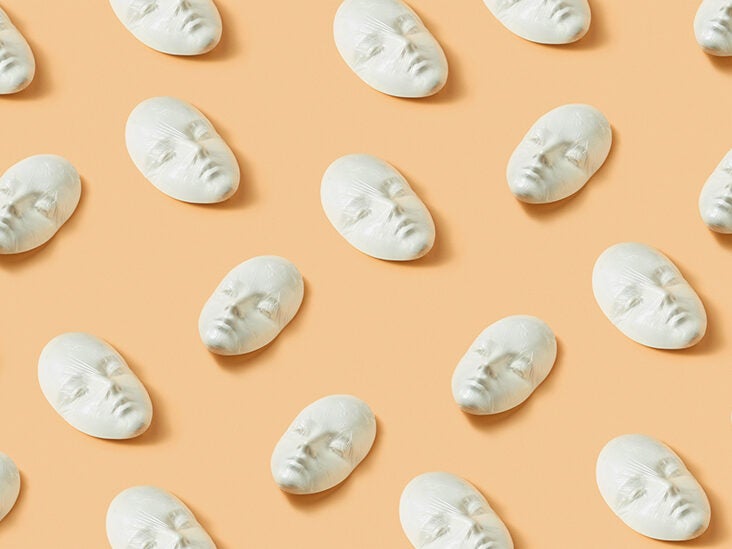
Have you ever felt the pressure to wear a façade in social settings? Like many, you may find yourself using personality masks to navigate life’s complexities. These masks help you blend in, appear confident, or protect your true self from judgment, but at what cost? Studies suggest that relying on personality masks can lead to exhaustion, anxiety, and emotional turmoil. This article explores the different types of personality masks people wear, their impacts, and the path to authenticity.
Understanding Personality Masks
A personality mask serves as a protective barrier, allowing individuals to shield their vulnerabilities from the outside world. While they can offer temporary relief from societal pressures, it’s crucial to recognize how these facades can hinder genuine connections and self-acceptance. Commonly, people adopt personality masks as a defense mechanism against rejection, bullying, or criticism. As they adopt various roles—like the overachiever or the socializer—they may find themselves increasingly distanced from their authentic selves.
Types of Personality Masks We Wear
In various situations—be it social, work-related, or intimate—people often wear distinct personality masks. Here are 11 common examples:
- The Martyr Mask: This type avoids blame and projects victimhood to maintain self-esteem.
- The Bully Mask: Often rooted in self-doubt, individuals might lash out as a way to push others away.
- The Humor Mask: Some use excessive humor to deflect criticism and mask their underlying sadness.
- The Calm Mask: A facade of composure can cause emotional volatility if feelings are continually suppressed.
- The Overachieving Mask: This pursuit of perfection can lead to severe anxiety and self-worth issues.
- The Self-Bashing Mask: Using self-deprecating humor, individuals often protect themselves from external judgment.
- The Avoidant Mask: This mask signifies withdrawal due to fear of rejection.
- The Controlling Mask: A need for control is a bid for security, leading to an impractically organized existence.
- The People-Pleasing Mask: This reliance on others’ approval can cause significant anxiety.
- The Socializer Mask: Individuals may keep interactions superficial to avoid deeper vulnerabilities.
- The Conformist Mask: A longing for acceptance results in following societal cues uncritically.
The Emotional Burden of Personality Masks
Wearing personality masks is often a reaction to trauma, bullying, or social pressure. Though they might offer temporary protection, the long-term effects can be detrimental. Constantly masking one’s true emotions can lead to exhaustion and feelings of isolation. Research indicates that both neurodivergent and neurotypical individuals resort to these masks to navigate social interactions effectively.
Feeling disconnected from your true self can result in a cascade of emotional issues, including anxiety, sadness, and even depression. This internal struggle often causes a rift between one’s public persona and private identity.
Taking Off the Mask: Steps Towards Authenticity
The first step toward shedding your personality masks is self-awareness. Understanding why you adopt these masks can be enlightening. You may discover it stems from a desire for acceptance or fear of criticism. Here are some actionable steps:
- Reflect on Your Triggers: Identify situations that prompt the use of a mask and why.
- Practice Vulnerability: Start small; allow trusted friends or family to see your authentic self.
- Seek Professional Guidance: A counselor can provide insights and strategies to help you navigate this journey.
- Build Supportive Relationships: Surround yourself with people who appreciate you for who you truly are, not the persona you project.
Making these changes may open doors to deeper connections and a more fulfilling life, but it’s important to remember that not everyone will embrace your true self. That’s okay; finding your tribe takes time.
Overcoming the Need for Masks
Releasing your reliance on personality masks can lead to greater emotional health and resilience. As highlighted in various studies, allowing yourself to be vulnerable can dramatically improve relationships and self-esteem. You stop censoring yourself and start living authentically, paving the way for meaningful connections.
Remember, it’s a gradual process, and it’s entirely normal to feel apprehensive about revealing your true self. However, the rewards of living authentically—such as inner peace, genuine relationships, and improved mental health—far outweigh the comfort of hiding behind a mask.
Conclusion: Embrace Your Authentic Self
In the end, understanding and navigating personality masks is crucial for emotional well-being. While they may serve a purpose, their short-lived benefits come with long-term costs, including emotional distress and isolation. It’s time to embark on a journey towards self-discovery and authenticity.
For those seeking further insights into emotional health, you can explore related topics in our features on trauma responses and mental health strategies.
To deepen this topic, check our detailed analyses on Mental Health section