In recent years, scientists have focused on the role of natural compounds in combating cancer. One intriguing area of research involves the potential of cinnamon. This spice, commonly used in kitchens around the world, possesses bioactive compounds that may influence cancer-related pathways. The concept of cinnamon cancer signaling is gaining attention as studies explore its effects on tumor growth and progression. With health care costs escalating and the rise in cancer prevalence, understanding cinnamon’s impact could lead to promising therapeutic avenues.
Researchers have examined various components in cinnamon to determine how they affect cancer signaling pathways. Through laboratory studies, it appears that these compounds might alter key mechanisms involved in cancer development. This article delves into the existing knowledge around cinnamon’s bioactive effects and its potential in cancer treatment, addressing the gaps that still need exploration to make definitive claims.
Understanding the Bioactive Compounds in Cinnamon
Cinnamon contains several bioactive compounds that have been the subject of scientific research, particularly focusing on their roles in combating cancer. The most studied of these is cinnamaldehyde, along with other compounds such as cinnamic acid, caffeic acid, and eugenol. These compounds are known for their antioxidant properties, which can play a crucial role in cinnamon cancer signaling.
In vitro studies have demonstrated that cinnamaldehyde can induce apoptosis (programmed cell death) in various cancer cell lines. Additionally, cinnamon’s rich polyphenol content has been associated with reduced oxidative stress and inflammation, both of which are critical factors in tumor development. These findings suggest that integrating cinnamon into one’s diet could provide protective benefits, aligning with studies that highlight the importance of dietary interventions in cancer prevention, as also discussed in our review on gut health condiments.
However, it is essential to note that while results are promising, translating these findings to human health requires rigorous clinical studies to validate the efficacy and safety of cinnamon-based therapies.
Mechanisms of Action: How Cinnamon Influences Cancer Pathways
Several signaling pathways associated with cancer progression can be influenced by cinnamon and its components. One notable target is the nuclear factor kappa-light-chain-enhancer of activated B cells (NFκB), a key regulator involved in cell survival, inflammation, and angiogenesis. Overactivation of NFκB is frequently detected in different cancer types, contributing to disease progression.
Research indicates that cinnamon polyphenols can inhibit NFκB activity by disrupting the IKK–IκB signaling axis. By doing so, they can potentially reduce inflammatory responses and tumor growth. Experimental studies conducted on mouse models show a significant decrease in tumor size when exposed to cinnamon extracts, directly correlating to reduced NFκB activity.
Moreover, the activator protein 1 (AP-1), another essential transcription factor involved in tumor proliferation and survival, can also be modulated by cinnamon. By inhibiting pathways that activate AP-1, cinnamon appears to enhance apoptosis among cancer cells, further emphasizing its potential as a functional food in cancer therapy.
Cinnamon’s Role in Angiogenesis and Tumor Growth
Tumor growth is critically dependent on angiogenesis—the process through which new blood vessels form from pre-existing ones. Hypoxia-inducible factors like HIF-1 and vascular endothelial growth factor (VEGF) play crucial roles in this process. Cinnamon extracts have shown promise in suppressing HIF-1α expression and VEGF signaling. This suppression leads to diminished angiogenesis and tumor growth, highlighting another layer of how cinnamon cancer signaling may operate.
Studies indicate that certain compounds in cinnamon can inhibit specific kinase pathways, further restricting cancer cell proliferation and promoting apoptotic processes. For instance, derivatives of cinnamaldehyde directly affect serine/threonine kinases, a group implicated in cell growth regulation.
Thus, incorporating cinnamon into the diet could potentially hinder tumor progression via multiple biological pathways, linking back to broader discussions surrounding chronic inflammation and its connection to health, as explored in our analysis on obesity-related cancers.
Gut Health and Cinnamon: A Synergistic Approach
Cinnamon not only displays direct anti-cancer properties but also contributes to enhancing gut health, which is critical for overall well-being. The polyphenols present in cinnamon may support the gut microbiome, essential for maintaining a healthy immune system and reducing systemic inflammation. Studies suggest that cinnamon can positively alter gut microbiota composition, promoting a balanced intestinal environment.
Additionally, evidence from small clinical trials indicates that cinnamon might help lower inflammatory markers such as NFκB and TNFα in non-cancer populations. The modulation of the microbiome could be a vital factor in its cancer-preventive properties. As studies illustrate the importance of gut health in relation to overall health, implementing cinnamon as part of the daily diet could benefit those looking to enhance their wellness regime, similar to strategies discussed in our report on AI in health care.
Challenges and Considerations in Cinnamon Research
Despite the promising results surrounding cinnamon and its bioactive compounds, there remain significant gaps in evidence. Most studies to date have been conducted in vitro or in animal models, and translating these findings to human applications requires further investigation. Key limitations include the inconsistent bioavailability of compounds like cinnamaldehyde when consumed as part of a typical diet.
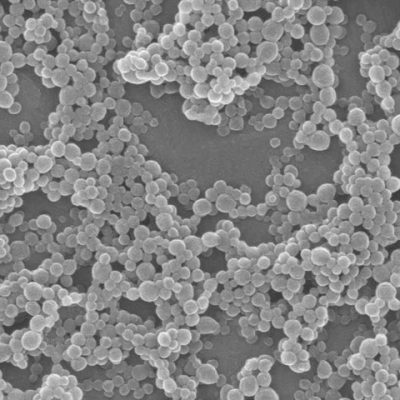
Innovative approaches, such as nanoparticle-based delivery systems, are being explored to enhance the absorption and efficacy of cinnamon’s active components. Moreover, safety concerns regarding cinnamon consumption, particularly due to its coumarin content, necessitate careful consideration for long-term use. Controlled dosing is crucial to prevent adverse effects while harnessing its therapeutic potential, as discussed in emerging research on gene editing in cancer treatments.
Conclusion: The Future of Cinnamon in Cancer Therapy
Cinnamon represents a fascinating area of research with credible potential to influence cancer biology, particularly through mechanisms of inflammation and cell signaling. However, conclusive evidence supporting its use in clinical settings is still pending. Comprehensive clinical trials are necessary to explore its safety, determine effective dosing, and establish if active concentrations can be achieved in human tissues.
For now, while incorporating cinnamon into the diet may yield several health benefits, including potential cancer-preventive effects, the scientific community remains cautious about overextending these claims. To deepen this topic, check out our detailed analyses in the Nutrition & Diet section, which offers insights into various dietary strategies for enhanced well-being.
To deepen this topic, check our detailed analyses on Nutrition & Diet section