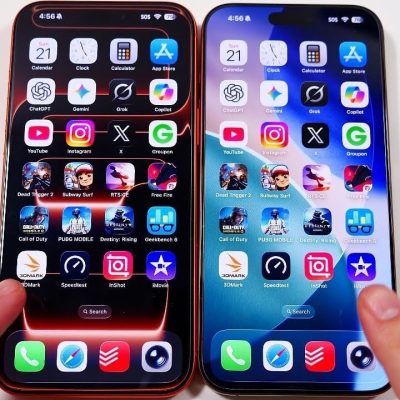
In the ever-evolving landscape of technology, durability is a paramount consideration for consumers looking to invest in flagship smartphones. With the introduction of the iPhone 17 Pro Max vs Galaxy S25 Ultra, buyers are often left contemplating which device can best withstand the rigors of daily life. Recent rigorous drop tests provide clarity on their respective strengths and weaknesses, showcasing how each model holds up under pressure. This article will delve into the comparative durability of both smartphones, helping you make an informed choice based on your lifestyle and needs.
Durability Battle: iPhone 17 Pro Max vs Galaxy S25 Ultra
When considering the iPhone 17 Pro Max vs Galaxy S25 Ultra, an examination of their key durability features is essential. Each device employs advanced materials and engineering techniques aimed at ensuring long-lasting performance.
- iPhone 17 Pro Max: Features an aluminum unibody design that decreases the glass area on the device, minimizing the risk of damage during drops.
- Galaxy S25 Ultra: Utilizes a titanium frame, known for its superior strength-to-weight ratio, effectively resisting dents and impacts.
Both smartphones are designed to endure the stresses of everyday use, but their approaches to durability differ significantly.
Key Features of the iPhone 17 Pro Max
The iPhone 17 Pro Max offers innovative technology that enhances durability:
- Ceramic Shield 2: This upgraded glass technology improves scratch resistance and impact durability, making it suitable for regular usage without the constant worry of damage.
- Aluminum Frame: This design adds both structural integrity and lightweight construction, ensuring that the phone remains comfortable to hold while being robust.
These elements make the iPhone 17 Pro Max a preferred choice for users prioritizing glass protection and aesthetic longevity. As explored in our analysis of iPhone 17 Pro camera durability, this model shines in areas that matter most to photography enthusiasts.
The Advantages of the Galaxy S25 Ultra
Conversely, the Galaxy S25 Ultra is engineered for strength:
- Titanium Frame: This material not only enhances the overall aesthetics but also provides incredible resistance to wear and tear during daily activities.
- Corning Gorilla Armor: Known for its superior scratch resistance, this glass technology minimizes the risk of shattering, ensuring a visually appealing device over time.
For users who prioritize strong structural integrity, the Galaxy S25 Ultra emerges as a solid option. The camera capabilities of this smartphone also add value to its overall durability profile.
Results from Drop Tests: A Comparative Analysis
To better understand the real-world applications of these durability features, we must delve into the results of several controlled drop tests:
- 1m Back Drop: The iPhone 17 Pro Max showed minimal damage, outperforming the Galaxy S25 Ultra due to its superior glass protection.
- 1m Corner Drop: The Galaxy S25 Ultra’s titanium frame excelled, sustaining fewer visible dents compared to the iPhone’s aluminum frame.
- 1.5m Back Drop: The iPhone maintained its camera integrity, while the Galaxy faced significant damage in this scenario.
These tests reveal that the iPhone excels in protecting its glass and camera system, whereas the Galaxy indicates a robust defense against structural damage.
How the Tests Were Conducted
The drop tests followed a meticulous methodology to ensure accuracy, utilizing a precision mounting system that standardized how each phone impacted the surface. The surface was covered with 80-grit sandpaper to mimic real-world environments like asphalt or concrete, delivering valuable insights into the daily resilience of both devices.
Strengths in Different User Scenarios
Ultimately, the choice between the iPhone 17 Pro Max vs Galaxy S25 Ultra hinges on individual user preferences:
- iPhone 17 Pro Max: Best for users emphasizing camera protection and aesthetic preservation.
- Galaxy S25 Ultra: Ideal for those valuing long-term durability and robust structural integrity.
Both smartphones represent significant advancements in durability, ensuring that users no longer need to compromise on this feature when selecting premium devices.
To deepen this topic, check our detailed analyses on Gadgets & Devices section