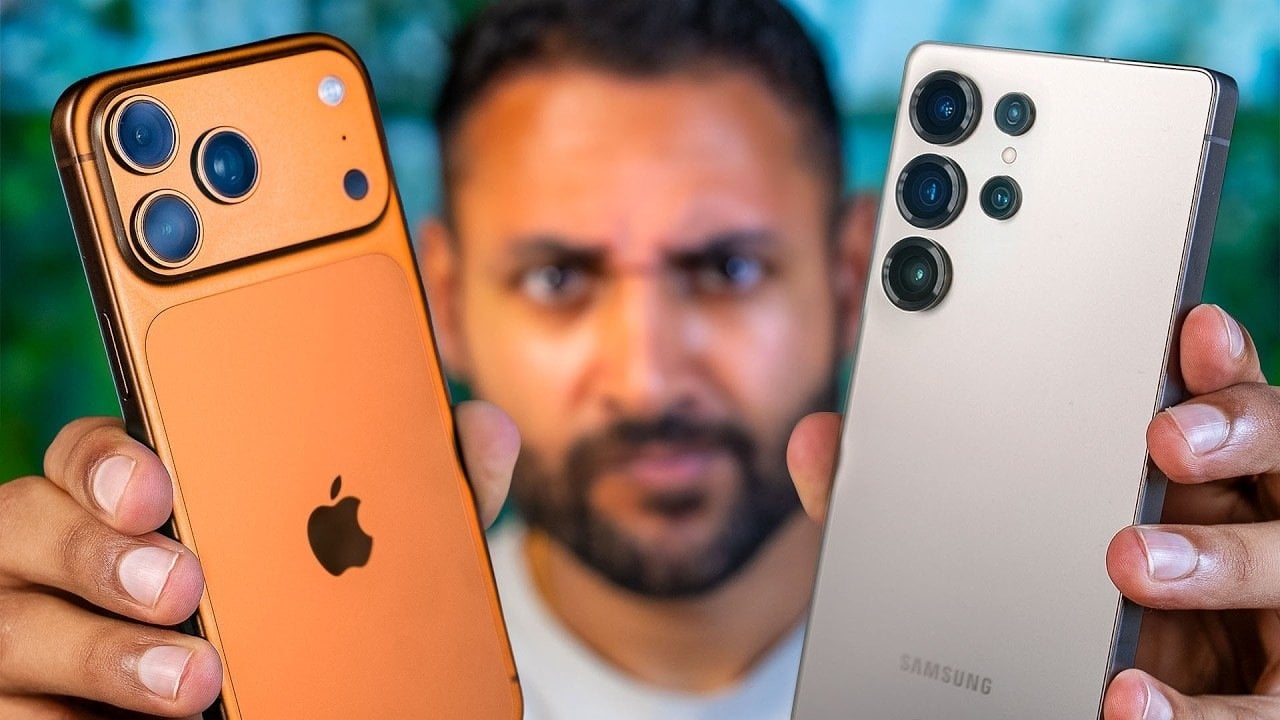
In the ever-evolving world of smartphones, the camera quality often plays a pivotal role in a consumer’s decision-making process. The iPhone 17 Pro camera has emerged as a leading contender in the realm of mobile photography, challenging rivals like the Samsung Galaxy S25 Ultra. As flagship devices from two powerhouse brands, both smartphones boast advanced features, but which one truly reigns supreme? Research shows that smartphone users increasingly prioritize camera capabilities, making this comparison essential for anyone serious about mobile photography. With a promise to deliver stunning visuals and superior user experience, the iPhone 17 Pro camera has the potential to meet and exceed expectations across various photography scenarios.
iPhone 17 Pro Camera vs. Galaxy S25 Ultra: A Comprehensive Comparison
When scrutinizing the landscapes of mobile photography, the competition between the iPhone 17 Pro camera and the Galaxy S25 Ultra is intense. With advancements in technology, consumers can expect more than just basic features. Each device presents unique strengths, tailored for different user preferences.
- Front Camera Performance
- Zoom Technology
- Video Recording Quality
Front Camera Performance: The Selfie Duel
The front camera has become increasingly significant for taking selfies, engaging in video calls, and creating content for social media. The iPhone 17 Pro camera outshines in several ways, notably with its wider field of view that caters well to group selfies and inclusivity during video calls. Its advanced stabilization technology guarantees smooth video capture, even when using third-party applications.
Additionally, the iPhone introduces an innovative landscape video mode, enhancing eye contact during calls—a feature where the Galaxy S25 Ultra does not excel. When it comes to skin tone accuracy, the iPhone 17 Pro camera continually delivers natural and balanced tones, contrasting with the Samsung model which often favors vibrant, yet less realistic results. Thus, for users who value consistent performance and usability, the iPhone sets a higher benchmark.
Exploring Zoom Technology: Distant Details
The zoom capabilities of smartphones are a critical aspect for those passionate about photography. Samsung’s Galaxy S25 Ultra offers a noteworthy 5x optical zoom, providing impressive, sharp images in good lighting conditions. However, this often compromises natural color representation and texture. In contrast, the iPhone 17 Pro camera features a smoother and responsive zoom slider that shines in low-light environments, where Samsung tends to struggle with noise and detail preservation.
For users capturing distant or fast-moving subjects with agility, Samsung’s processing may be appealing. However, the iPhone excels in delivering reliable results across varying light conditions, establishing itself as the more versatile option for everyday photographers.
Video Recording: Capturing Life in Motion
Both devices excel at 4K video recording, yet they cater to different filming needs. The iPhone 17 Pro camera is renowned for its ability to manage exposure with precision, particularly in challenging lighting scenarios like backlit scenes. The Galaxy S25 Ultra, while certainly capable, often encounters difficulties maintaining color consistency across different lenses during video capture.
For those prioritizing seamless transitions and accurate exposure in their videos, the iPhone promises a polished experience. While the vibrant hues of Samsung appeal to casual users, professionals are likely to find the iPhone’s reliability and detail extensive.
Portrait Mode Photography: The Art of Capturing Individuals
Portrait mode has always been cherished by photographers for creating stunning images of both people and pets. The iPhone 17 Pro camera takes the lead in this domain by delivering color-accurate, detailed portraits with superior edge detection. Whether capturing the beauty of humans or the charm of animals, the iPhone ensures visually appealing outcomes.
While the Galaxy S25 Ultra provides vibrant portraits that are visually striking, its performance can be inconsistent in lower light. For users that prioritize detail and accuracy, the iPhone undoubtedly comes out on top in portrait photography.
Low-Light Imaging: Night Photography Showdown
The effectiveness of a smartphone camera in low-light conditions is a critical test. Here, the iPhone 17 Pro camera demonstrates remarkable prowess, particularly in portrait mode, surpassing Samsung’s offerings in darker environments. Although the Galaxy S25 Ultra showcases better dynamic range, it grapples with noise and color fidelity in challenging scenarios.
If you often find yourself shooting in dimly lit spaces, the iPhone’s superior capacity for detail and color accuracy will serve you much better compared to its counterpart.
Final Thoughts: Making the Right Choice
In concluding this comprehensive analysis, both the iPhone 17 Pro camera and Samsung Galaxy S25 Ultra stand out as exceptional devices, each with its strengths. The iPhone excels in consistency, detail, and overall camera performance, making it the preferred option for most users. Its enhancements in zoom, portrait mode, and low-light imaging address past limitations, reinforcing its position at the forefront of mobile photography.
While the Samsung Galaxy S25 Ultra retains a competitive edge with its vibrant processing and zoom capabilities, it falls short in terms of color accuracy and low-light efficiency. Ultimately, for those in pursuit of a reliable and versatile camera experience, the iPhone 17 Pro camera emerges as the clear favorite.
For further insights about the iPhone 17 Pro camera and its robust features, explore our guides, like iPhone 17 Pro tips and iOS 26 settings to change.
To deepen this topic, check our detailed analyses on Gadgets & Devices section