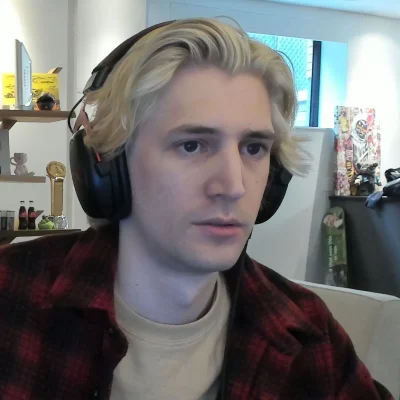
Have you ever wondered about the impact of a game on its community, especially in the colorful world of streaming? Recently, the much-anticipated release of Ghost of Yotei has sparked bubbling discussions among gamers and streamers alike. As renowned Twitch and Kick streamer Zack “Asmongold” aptly pointed out, the game is “nothing crazy or groundbreaking.” However, he does mention that it’s “better than Assassin’s Creed Shadows” yet “worse than Rise of the Ronin.” This spectrum of opinions highlights the diverse range of expectations players have as they explore *Ghost of Yotei*.
As we dive deeper, this article promises to unravel the enchanting yet controversial elements of Ghost of Yotei and discover its place in the broader gaming narrative. Let’s examine what has led to such mixed responses among prominent gamers while also exploring various aspects of the game.
Asmongold’s Take on Ghost of Yotei
Asmongold’s views on Ghost of Yotei provide a thoughtful glance into the opinions of seasoned gamers. He highlighted that while the game’s offerings might not be revolutionary, they’re still a step up from previous titles like Assassin’s Creed Shadows. He went on to emphasize that despite its attractive features, the game still misses the mark compared to other major releases like Rise of the Ronin.
His remarks shared via social media indicate a shared sentiment with VTuber Kitsu, who noted, “the story is alright, nothing outstanding so far.” This critique sheds light on a significant component of gaming: storytelling, which often serves as the backbone for immersive experiences. He echoed this by agreeing that the abundance of mini-games felt more like a controller advertisement rather than genuine gameplay designed to enhance user experience.
The Mini-Game Debate
One of the most prominent criticisms surrounding Ghost of Yotei revolves around its mini-games. Kitsu mentions in her review that the game features “WAY too many gimmicks and mini-games,” claiming they seem designed to artificially extend gameplay duration rather than contribute to player immersion. According to her assessment, these features could detract from the overall enjoyment.
As being discussed in our analysis of Asmongold’s review, he also aligns with Kitsu’s point about mini-games being a distraction rather than an enhancement, indicating a clear dissatisfaction among a demographic of players who seek meaningful engagements over superficial diversions.
Gameplay Mechanics and Experience
At its core, the gameplay of Ghost of Yotei offers both dual katana mechanics and various combat styles. Players are introduced to the tactical aspect early on, learning to adapt their weapon choice based on the enemy type. However, this imposed structure may frustrate players looking for a more versatile approach to combat. Despite this, some streamers, like Eric “PointCrow,” maintain a positive outlook, noting that it is a game worth trying.
PointCrow stated, “It’s great. I don’t know how else to tell you that this is a game you should get.” This positive affirmation showcases a contrast to the critiques, suggesting that there’s charm and fun to be discovered within *Ghost of Yotei*, especially for those who appreciate its stylistic choices and gameplay mechanics.
Community Engagement and Streaming Relevance
The discourse surrounding Ghost of Yotei highlights its relevance in streaming communities, feeding into how new releases influence viewer engagement. The interpretations and reviews from streamers create a dialogue that shapes public perception of the game prior to its release.
In this regard, similar to strategies discussed in Hasanabi, who delves into the societal impacts of gaming content, many streamers are using their platforms to facilitate discussions, whether they are positive or negative. This shows how streaming not only entertains but also educates and informs audiences about the gaming landscape, including titles such as *Ghost of Yotei*.
Conclusions and Final Thoughts on Ghost of Yotei
As Ghost of Yotei continues to capture the attention of gamers and streamers alike, opinions remain varied. It is clear that while some consider it a step forward in gameplay experience, others express disappointment at the lack of innovation.
Moreover, the lively conversations sparked by Asmongold and his peers reflect an ever-evolving gaming culture that thrives on community feedback and engagement. For those interested in exploring more about streaming reactions, I recommend checking out the IShowSpeed LSU tour and the resulting controversies in gaming which further exemplify the interactive nature of modern gaming.
Ultimately, as we navigate this new title, it’s crucial to keep seeking out diverse opinions, acknowledging the intricacies of gameplay and community conversations that shape our gaming experiences today.
To deepen this topic, check our detailed analyses on Streaming & Platforms section