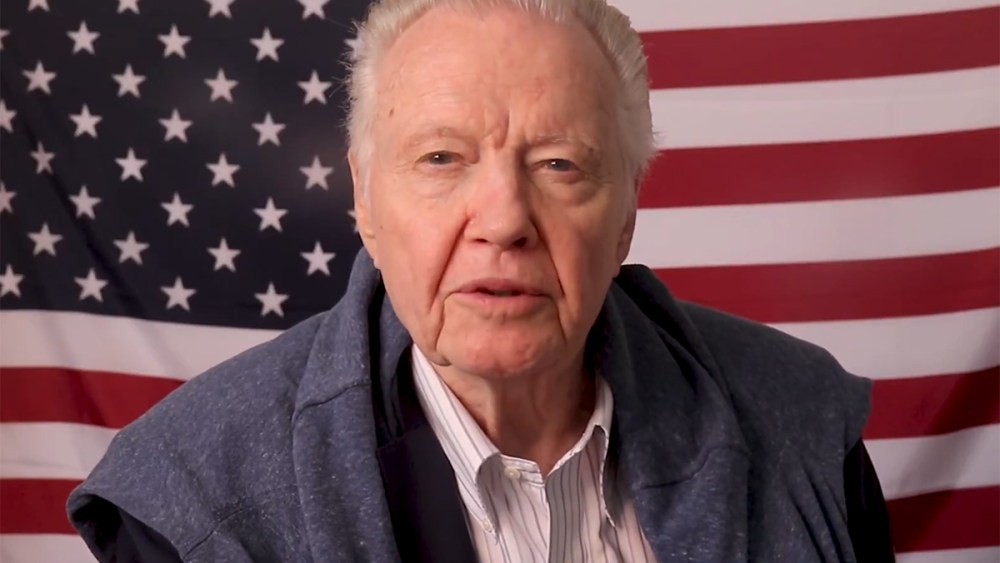
In a tense call to action, Academy Award-winning actor Jon Voight has fervently urged former President Donald Trump to intervene in the recent mayoral win of Zohran Mamdani in New York City. Voight, known for his straight-talking style, believes that Trump is uniquely positioned to “terminate” what he describes as a dire situation for the city. With dramatic flair, the 86-year-old actor posted a video on social media insisting that Mamdani’s victory poses a significant threat to New York’s future.
Voight’s impassioned plea isn’t just celebrity banter; it reflects deep-seated concerns about the political direction of one of America’s most iconic cities. He characterizes the incoming mayor’s policies as detrimental, alleging they will transform New York into a “socialist crap city.” As we dive deeper into Voight’s claims and the implications of Mamdani’s leadership, it’s essential to examine the broader context of this political drama and the narratives that fuel it.
Jon Voight’s Call to Action
In his video address, Voight emphasized that “we the people” have put their trust in Trump, suggesting that only he has the capability to avert this disaster. The actor’s rhetoric reflects a common fear among some constituents that the policies of Mamdani, who identifies as a democratic socialist, could usher in unfavorable economic changes. Voight warns that the mayoral elect’s leadership represents an existential threat to the values and wealth of the city, propelling NYC towards a new era unprecedented in terms of policy shifts.
Analyzing the Fear of Change
This passionate declaration by Jon Voight resonates with a segment of the populace that fears significant political change. The notion that Mamdani will turn New York into a haven for radical ideologies is indicative of an underlying anxiety about national security and identity. Voight’s language used in discussing these fears portrays a struggle between perceived progressivism and traditional values.
- This battle of ideologies raises questions about the future direction of urban governance.
- With incoming leaders like Mamdani, cities face a crossroads that could define their character for decades.
The Power of Celebrity Influence
The weight of Voight‘s words showcases the considerable influence celebrities have in shaping public discourse. Like the analysis of cultural narratives in our media landscape, Voight’s call to action taps into a collective consciousness that is both reactive and reflective of broader societal tensions.
Considering his close relationship with Trump, it’s not surprising that an appeal from Voight could galvanize similar-minded individuals who harbor skepticism toward Mamdani and his platform. This highlights how celebrity backing can sway political sentiments, especially in a climate charged with division.
The Facts Behind Mamdani’s Victory
Zohran Mamdani recently triumphed in the New York City mayoral election, a victory that has been recognized by a majority of voters, defeating former Governor Andrew Cuomo. This election result reflects a shift in the political landscape that challenges long-standing narratives about governance and public service. Mamdani’s campaign emphasized inclusivity and progressive reforms, contrasting sharply with Voight’s more traditionalist viewpoint.
Critics may point to Mamdani’s youth—he’s only 34 years old—as a reason for concern, but supporters argue that fresh perspectives are essential for resolving the complex issues faced by modern urban centers.
- As a newly elected leader, Mamdani aims to address critical topics such as housing, education, and economic equity.
- This juxtaposition of youth versus experience becomes a pivotal point in analyzing the ever-evolving political arena.
What Lies Ahead for New York City
As Mamdani prepares to take office on January 1, the narratives surrounding his leadership will play a crucial role in shaping public opinion. Voight’s statements may resonate with certain demographics, but they also illuminate how deeply divided the electorate remains. In a landscape where emotional appeals often overshadow facts, it becomes essential for citizens to engage critically with the ideas presented.
Given that Voight has labeled Mamdani as a “communist,” which Mamdani himself vehemently denies, this distortion of facts could hinder meaningful dialogue between contrasting ideologies. As discussed in this dissection of political vocabulary, language profoundly influences perceptions of reality.
Conclusion: Engaging in Public Discourse
In conclusion, the interplay between Jon Voight‘s fervent appeal to Donald Trump regarding Zohran Mamdani‘s victory encapsulates the multifaceted dynamics of modern politics. As citizens and public figures react to these shifts, the call for informed dialogue becomes ever more pressing. To navigate the complexities of today’s political landscape, we must consider collaborative solutions that transcend sensational rhetoric.
For those wanting to explore the broader themes in entertainment and culture, similar to strategies discussed in our insights into celebrity influences on public opinion, or the recent growth within tech sectors as noted in our piece about AI’s impact on employment, it’s clear the narratives we engage with will shape the future.
To deepen this topic, check our detailed analyses on Movies & TV Shows section.