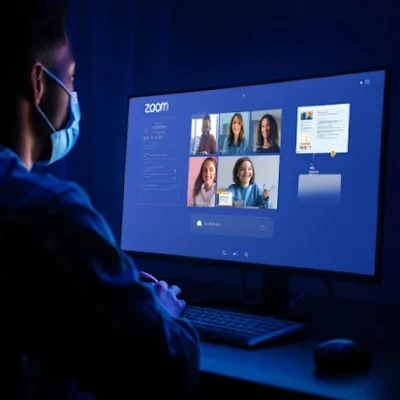
Imagine interviewing a candidate only to discover they are a complete fabrication—an identity created using deepfake technology. Recent studies predict that by 2028, one in four job candidates could potentially have a synthetic persona. This unsettling reality underscores the growing concern surrounding deepfake job hires. With alarming statistics indicating that 6% of job seekers admit to engaging in some form of interview fraud, it is vital to recognize the implications of hiring individuals who may not even exist. In a world where interviews can be manipulated and resumes forged, the integrity of hiring practices is under siege. The shift from face-to-face interaction to virtual interviews has made it easier for these deceptions to unfold. Organizations must now contend with this evolving threat, and understanding how deepfake job hires operate is crucial to protecting against potential breaches. This article delves into the risks posed by synthetic candidates and outlines the strategies organizations can adopt to safeguard their hiring processes without compromising efficiency and candidate experience.
Understanding the Threat of Deepfake Job Hires
The advent of generative artificial intelligence has made it easier than ever to create convincing human identities. Tools that were once the privilege of skilled hackers are now accessible to a wide array of criminals. This has led to an increase in deepfake job hires—individuals who might pass interviews and screening processes due to their crafted digital personas. What formerly took months to achieve through social engineering can now be accomplished in a matter of hours. Resumes and profiles can be polished perfectly to please Applicant Tracking Systems (ATS), and voice-cloning technology allows these candidates to exude confidence in video interviews.
This isn’t merely a hypothetical scenario; various organizations are already witnessing these fake identities entering their ranks. The consequences are severe and far-reaching. Once inside, these phantom employees can exfiltrate sensitive data, manipulate internal systems, or facilitate larger attacks on the organization. As this threat evolves, it is imperative for companies to understand that hiring has now become a potential entry point for malicious activities.
- Gartner’s prediction—by 2028, 25% of candidate profiles may be fraudulent.
- Fraudulent hiring practices are tied to state-sponsored operations.
Why Common Security Defenses Are Failing
Many companies operate under the assumption that hiring is inherently safe. This misplaced trust can create vulnerabilities that malicious actors readily exploit. Security systems are often designed to check documents, rather than validate the lived experiences behind them. For instance, background checks may confirm that a document exists but fail at establishing its authenticity. Identity verification is typically a one-time event, and hiring teams, focused on speed, may overlook critical red flags.
Attention to detail is paramount. Federal guidance from the National Security Agency (NSA) and the Cybersecurity and Infrastructure Security Agency (CISA) emphasizes that the rapid advancements in synthetic media necessitate vigilant verification processes. Organizations should approach hiring with the same adversarial mindset they use for other security measures. Failure to adapt could lead to increasingly frequent breaches triggered by deepfake job hires.
Implementing Effective Countermeasures Against Fake Hires
To combat the threat of deepfake job hires, organizations need to undergo a paradigm shift in their hiring strategies. Here are actionable steps that can bolster defenses against synthetic identities:
- Enhance interview processes: Introduce unpredictability by incorporating spontaneous questions that require in-depth responses, compelling candidates to draw from their genuine experiences. For example: “What challenges did you encounter during the last project?”
- Prioritize early identity verification: Instead of waiting to assess a candidate’s fit, begin verifying identities earlier in the process. Implement real-world checkpoints, such as requiring an in-person meeting or a video interview that showcases the candidate’s workspace.
The emphasis must be placed on treating resumes as claims rather than presumed truths. Fostering specific dialogue during interviews can help uncover inconsistencies in a candidate’s narrative. Additionally, organizations should incorporate thorough reference checks, which can provide context and confirmation beyond what a resume offers.
Monitoring New Hires Thoroughly
Onboarding should be seen as an ongoing process rather than a one-time gateway. The zero-trust model, which emphasizes continuous evaluation rather than implicit trust, should extend into the hiring pipeline. Organizations must monitor new employee behaviors closely, particularly during the initial months of their employment. Key indicators such as unusual data access requests and irregular privilege escalations can indicate suspicious activity.
This vigilant posture necessitates investing in monitoring tools and dedicating resources to ensure that every new hire is carefully observed. The aim is not to create a culture of surveillance but to mitigate risks before they materialize into serious breaches.
The Economics of Deepfake Hiring Fraud
The financial implications of deepfake job hires are staggering. Experts predict that as access to deepfake technology increases, so too will the volume of identity fraud in the hiring process. Rising fraud losses and the broader shadow economy around generating fake identities further exacerbate the problem. Deloitte estimates that ongoing developments in artificial intelligence could lead to approximately $11.5 billion in generative AI-related fraud losses by 2027. These figures constitute an urgent call to action for organizations to reevaluate their hiring processes.
The escalating ease of employing deepfake technology means that attackers can quickly build a fake identity and exploit it across multiple applications, maximizing their chances of success. In essence, organizations are facing a fraudulent economy that is gaining momentum and sophistication.
Conclusion: Trust Must Be Earned, Not Assumed
In the current landscape, organizations can no longer regard hiring as an isolated administrative function. The intertwining of synthetic media, interview fraud, and cybersecurity necessitates a comprehensive approach to legitimacy and access. The clear guidance from federal authorities on responding to the threat of deepfake job hires stresses verification and training over the myth of perfect detection.
Organizations must evolve their hiring practices, integrating strategies such as multi-factor authentication, continuous monitoring, and thorough identity verification into their processes. The time for passive oversight is over; the call for proactive measures cannot be overstated. Trust needs to be established, not assumed, and access must be closely monitored at all times. As the landscape continues to evolve, organizations that fail to adapt will find themselves increasingly vulnerable to the hidden risks posed by deepfake job hires.
To deepen this topic, check our detailed analyses on Cybersecurity section