Breast cancer is not just an older adult’s disease; it significantly impacts younger adults as well. In fact, recent findings from experts at NYU Langone’s Perlmutter Cancer Center shed light on a troubling trend: breast cancer now ranks as the leading cause of cancer-related deaths among women aged 20 to 49 in the United States. The statistics are alarming, with younger patients often receiving diagnoses at more advanced stages. This necessitates a stronger focus on screening, prevention, and education surrounding breast cancer in younger adults. The ability to navigate this landscape is critical for improving outcomes and quality of life for those affected.
Understanding Early-Onset Breast Cancer
Though the median age for a breast cancer diagnosis is 62, a significant percentage of women are being diagnosed much earlier. Notably, approximately 10% of patients seen today are aged 45 and younger. Over the past two decades, diagnoses of breast cancer in women aged 20 to 39 have risen alarmingly. Furthermore, younger patients tend to present with more aggressive molecular profiles, increasing their risk for poorer outcomes. For example, triple-negative breast cancer, which is notoriously aggressive and has fewer targeted treatment options, is particularly prevalent among younger women. According to the American Cancer Society, women under 50 are nearly twice as likely to be diagnosed with cancer compared to their male counterparts. This stark reality highlights the urgent need for widespread awareness and education about breast cancer in younger adults.
The Role of Risk Assessment in Prevention
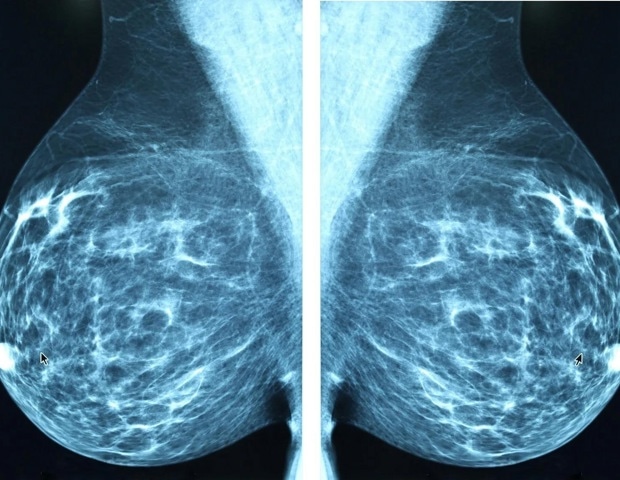
As young individuals grapple with rising breast cancer rates, understanding personal risk becomes essential. Dr. Elizabeth Comen emphasizes the importance of education regarding family history and risk assessment. Open dialogues between patients and healthcare providers can pave the way for informed preventive measures, including risk assessment tests. For women at average risk, routine screening typically begins at age 40; however, those at enhanced risk may require earlier interventions. Additionally, women with dense breast tissue might benefit from supplementary imaging like ultrasounds or MRIs alongside standard mammograms. Proactive education and communication with healthcare providers are crucial steps in navigating this landscape. Trusting your instincts and advocating for oneself becomes paramount, especially in a system laden with medical jargon and complex terminology.
Supporting Younger Patients Through Treatment
The treatment of breast cancer in younger adults requires a holistic approach. Dr. Comen highlights that patient care transcends mere treatment of the disease; it encompasses supporting the entire patient experience. Many young women face unique challenges such as fertility concerns, the upbringing of young children, and the demands of a budding career. Perlmutter Cancer Center aims to provide care that not only addresses the cancer but also prioritizes overall quality of life. Addressing aspects like nutrition, exercise, emotional well-being, and social functioning is crucial. Programs like the Early Onset Cancer Program focus specifically on the intricate balance between maintaining personal identity and navigating the challenges posed by a cancer diagnosis, ensuring that treatment is as unique as each patient.
Innovative Programs for Young Cancer Patients
To enhance care for younger patients, Perlmutter Cancer Center has implemented several innovative programs. One such initiative is the Oncofertility Program, designed to assist young cancer patients in understanding and pursuing their fertility options as part of treatment. Fertility nurse navigators are available to guide patients through this often-overwhelming process. Another groundbreaking initiative is the Cardio-Oncology Program, launched in October 2024, which develops personalized care plans focusing on heart health during and after cancer treatment. These efforts reflect a broader commitment to creating a care environment tailored to the unique needs of younger individuals facing a cancer diagnosis.
The Importance of Continued Research and Education
In the face of rising breast cancer diagnoses among younger adults, continued research and education remain vital. Programs like those at Perlmutter Cancer Center are making strides toward a better understanding and treatment of early-onset breast cancer. Advocacy and health literacy empower patients to navigate their experiences more effectively. If something feels amiss, patients are encouraged to speak up and engage actively with their healthcare providers. As emphasized throughout this discussion, early detection and personalized care can greatly enhance outcomes for younger patients dealing with breast cancer.
To deepen this topic, check our detailed analyses on Nutrition & Diet section