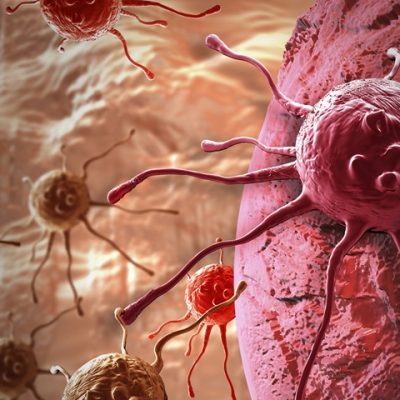
In a world where chronic illnesses like stomach ulcers affect millions, recent breakthroughs in medical research offer a glimmer of hope. Surprisingly, stomach ulcers have long been blamed on spicy foods and poor diets, yet scientists now know that the true culprit is the bacterium Helicobacter pylori. This bacterium resides in over 60% of the global population and poses significant health risks, including stomach cancer. Fortunately, researchers from the Ateneo de Manila University are pioneering developments in a promising stomach ulcer vaccine that could potentially revolutionize the treatment and prevention of this debilitating condition.
What is the Stomach Ulcer Vaccine?
The stomach ulcer vaccine aims to combat Helicobacter pylori, preventing it from causing ulceration and potentially reducing the risk of stomach cancer. The team of scientists at Ateneo, including Demy Valerie Chacon and Kiana Alika Co, are utilizing an innovative approach known as immunoinformatics. This method merges computer science with immunology, allowing researchers to analyze the genetic makeup of pathogens effectively.
What’s exciting about their research is the identification of specific proteins produced by H. pylori that enable the bacterium to thrive in the harsh environment of the stomach. By predicting which parts of these proteins could elicit a strong immune response, the scientists have paved the way for creating a targeted vaccine.
The Science Behind the Vaccine Development
Through extensive computational analysis, the Ateneo team has successfully narrowed down potential vaccine targets much faster and more cost-effectively than traditional laboratory methods would allow. They identified proteins that not only help H. pylori survive but also evade the body’s immune system. This is critical since developing a vaccine that doesn’t trigger allergic reactions and is safe for human use is paramount.
- The identification of key proteins means the development process is significantly advanced.
- Utilizing immunoinformatics allows for quicker analysis of vast gene sequences.
Moreover, researchers have pinpointed regions of these proteins that are most likely to be safe and effective at activating protective immune cells. The potential impact of their findings could be monumental; if successful, this vaccine would be the first to target H. pylori and could substantially reduce the incidence of stomach ulcers and related cancers.
Next Steps in Research
While the research is still in its preliminary stages, the next big step involves laboratory testing to validate the predictions made through computational simulations. There currently exists no approved vaccine for H. pylori, which makes Ateneo’s research groundbreaking. It’s important to note that other laboratories are also working on similar projects globally; however, Ateneo’s unique approach places it at the forefront of vaccine development.
With ongoing advancements, the prospect of a successful stomach ulcer vaccine not only intrigues scientists but also brings hope to those suffering from this painful condition.
Implications for Public Health
The implications of a successful stomach ulcer vaccine extend well beyond individual health. Addressing H. pylori infections on a global scale could significantly reduce healthcare costs and improve quality of life for millions. Current treatments for stomach ulcers often involve long courses of antibiotics, which can lead to further health complications and contribute to antibiotic resistance.
Imagine a future where vaccines can prevent such infections, leading to fewer hospitalizations and improved health outcomes in communities worldwide. The anticipated results from the Ateneo research suggest a shift towards more preventive healthcare approaches, thereby reducing the burden of gastrointestinal diseases.
Community Support and Collaboration
Collaboration is vital in the realm of medical research. Scientists at Ateneo are not working in isolation; they are part of a broader network of health professionals and researchers worldwide. Their work embodies the spirit of collective advancement in science. Insights from other areas of research, for example, can inform studies on women’s health or the digestive issues that often accompany hormonal changes during menopause, as discussed in our article on menopause and digestive health.
Conclusion: The Future of Stomach Ulcer Prevention
The quest for a stomach ulcer vaccine is a prime example of how innovative research can address long-standing health issues. If successful, this vaccine may not only ameliorate the suffering associated with stomach ulcers but may also contribute to reducing stomach cancer rates globally.
For those interested in related health insights, check out our exploration of diet and health benefits, as nutrition plays an integral role in overall well-being.
To deepen this topic, check our detailed analyses on Nutrition & Diet section.