
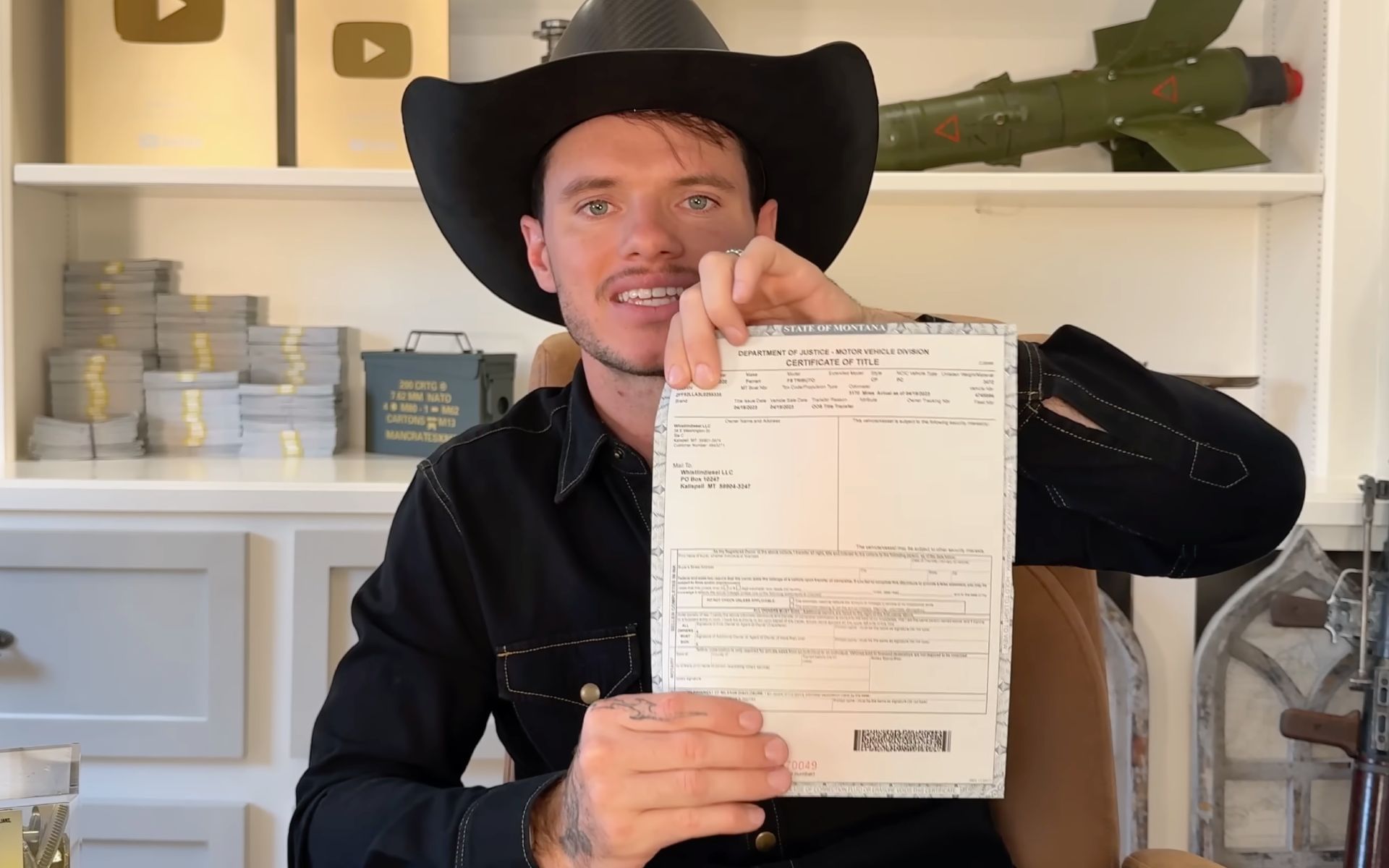
In a shocking turn of events, popular YouTuber Cody, known as WhistlinDiesel, was recently arrested due to allegations of WhistlinDiesel tax evasion. This incident has sent ripples through the social media and automotive communities, especially because it revolves around a $400,000 Ferrari F8. Many are left wondering what led to this dramatic situation, and what it means for high-profile influencers like WhistlinDiesel. If you’re curious about the circumstances surrounding this case, read on to discover more about the incident and its implications.
Understanding the Allegations of Tax Evasion
On November 23, 2025, WhistlinDiesel took to his YouTube channel to explain his recent arrest. According to him, he owes approximately $30,000 in sales tax for the aforementioned Ferrari F8, which he claimed has since been destroyed. He explained, “This is for… sales tax on one car, my Ferrari, that doesn’t exist anymore. It’s in a cube because it accidentally caught on fire.” This unexpected incident raises questions not just about the legality of his financial management but also about how sales tax laws can have unforeseen consequences. Many luxury automobile owners might not fully comprehend their obligations, leaving them vulnerable to similar situations.
As detailed in an analysis of the situation, WhistlinDiesel further elaborated that the Ferrari was registered in Montana, a state known for its favorable conditions regarding sales tax. “This car, this Ferrari, was titled and registered in Montana. Montana doesn’t require sales tax on vehicles when they’re registered under a business,” he stated. This unique aspect of Montana law is utilized by many luxury car owners, making it a popular choice. However, it raises an important question: how transparent are these practices when it comes to tax obligations in other states?
Reactions to WhistlinDiesel’s Arrest
The reaction to WhistlinDiesel’s legal issues has been mixed. While some fans express support, others criticize him for potentially evading taxes. In the same video, WhistlinDiesel speculated that the authorities may be using his case as a cautionary tale for the entire automotive community. He stated, “I think they went after me specifically because they think it will make a wave through the car community. People will see this, and they’ll go change their Montana registration to their home state.” This claim indicates the influencer’s belief that his reach within social media could impact how individuals handle their own tax situations.
Moreover, this incident is reminiscent of other high-profile tax cases involving social media influencers. As seen in similar cases, even a mere accusation can lead to severe consequences. For example, a noteworthy instance is the case of Roger Ver, who has faced scrutiny with his own tax settlement issues.
The Legal Framework: How Sales Tax is Determined
The complexity of sales tax can often lead to confusion, especially when assets are registered across state lines. WhistlinDiesel’s situation underscores the importance of understanding local laws deeply. In Tennessee, the sales tax on luxury vehicles can be substantial, especially when owners assume they narrowly qualify for exemptions elsewhere. Understanding the tax codes in different states is crucial for all car owners, making them inadvertently susceptible to violations. The recent changes in tax regulations have further blurred the lines regarding sales tax obligations.
The situation also exposes a lesser-known strategy employed by wealthy car owners, which involves establishing businesses in states like Montana. This strategy allows them to legally bypass substantial sales tax obligations, which other states enforce. However, it’s vital to approach this topic with caution and understand the loopholes and laws that govern these practices.
The Broader Implications for Influencers and Entrepreneurs
This controversy acts as a teachable moment for social media influencers and entrepreneurs alike. As a public figure, WhistlinDiesel’s case has the potential to shape perceptions and behaviors in the car community and beyond. The influence of social media can drive trends, but it also comes with heightened scrutiny, especially concerning legal matters. His comments about relocating his assets to avoid taxes could inspire similar actions, yet they also emphasize the need for clear compliance with tax laws.
Furthermore, many influencers might not fully grasp the legal implications of their financial strategies. This is comparable to the recent discussions on financial ethics in various industries, reinforcing the necessity for transparency. Tackling potential liabilities proactively can save influencers from future embarrassment and legal troubles.
Conclusion: Navigating Future Challenges
As the case of WhistlinDiesel tax evasion unfolds, it serves as a crucial reminder of the importance of compliance with tax laws for influencers and entrepreneurs. Legal challenges can arise unexpectedly, impacting not only personal finances but also professional reputations. For those in the automotive community, understanding the intricacies of sales tax can be pivotal in avoiding similar situations. With ongoing changes in laws, staying informed is paramount. For more insights, consider exploring the details discussed in this analysis of crypto-related financial issues.
To deepen this topic, check our detailed analyses on Streaming & Platforms section



