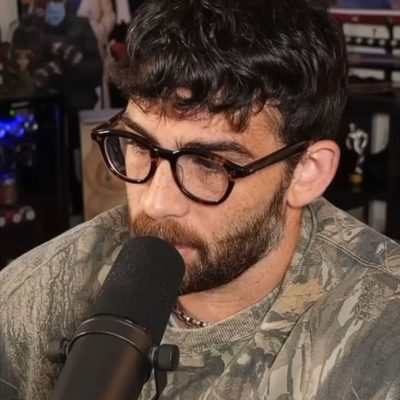
In the world of streaming, unexpected twists and turns often create headlines, and the recent turmoil surrounding the RaKai YouTube channel is no exception. On December 10, 2025, popular streamer RaKai, also known as “2xRaKai,” experienced a significant setback when his live chat functionality was disabled due to mass reporting from his viewers. This incident sparked a heated response from the young streamer, raising questions about the behavior of online audiences and the impact of such actions on creators. Are there surprising statistics in the streaming community that highlight similar dramas? This incident serves as a testament to both the power and the potential chaos of live interactions. RaKai passionately pleaded with his fans, emphasizing that his aim is simply to engage with them through his content. In this article, we’ll delve into the details of what transpired with the RaKai YouTube channel and explore the implications for both creators and their communities.
What Led to the Disabling of the RaKai YouTube Channel’s Live Chat?
The disabling of the RaKai YouTube channel‘s live chat stemmed from a series of reports aimed at his live content. RaKai, who is currently banned from Twitch, took to YouTube for his livestream on the fateful day, only to discover that his chat had been disabled. He shared his shock and frustration in a brief video on X, urging his audience to cease the reporting that led to this disruption. “Chat, my whole chat is literally disabled right now, bro! Seriously? Can’t y’all stop doing that, bro?” he exclaimed, attempting to reconnect with his fans in a moment filled with visible disbelief.
This incident exemplifies the challenges streamers face in managing their relationships with viewers. The repercussions of mass reporting can be severe, as seen in RaKai’s case, illustrating a broader issue of online harassment that affects many creators across platforms.
The Impact of Viewer Behavior on Streaming Culture
RaKai’s outburst not only reflects the tension between streamer and audience but also shines a light on the broader implications for streaming culture as a whole. As streaming grows in popularity, the behaviors of online audiences evolve, leading to varied interactions that can sometimes cross into negative territory. RaKai articulated this reality during his Instagram livestream, where he expressed deep discontent over the actions of those who reported his channel: “Please, stop doing that, bro! That s**t is not funny at all!” His emotional plea brings to light the struggle that many content creators face when dealing with fan interactions that impede their work and connection with the audience.
This incident raises an important question: how should creators navigate a landscape where audience behavior can lead to tangible consequences? The answer may lie in fostering healthier communication channels and addressing issues directly, as both RaKai and other streamers have begun to explore.
RaKai’s Response and the Role of Community
Continuing his candid dialogue with fans, RaKai turned to social media to air his grievances following the incident. His frustrations culminated in an emotional outburst where he called out individual fans for their actions, stating, “There’s no way I get into your emotions that, like, I literally get in your head that much, where you report? Dead-a**?! Seriously? F**k you!” Despite the intensity of his response, it highlights a growing trend in which streamers demand accountability from their communities.
Moreover, understanding the motivations behind such viewer actions is essential. Are fans reacting to personal feelings, or is this a reflection of a broader trend in streaming culture where individuals feel empowered to influence the behavior of their favorite creators? RaKai’s reaction serves as a pivotal moment sparking conversations about the emotional ties and expectations between streamers and their viewers.
Consequences for Streaming Creators
The repercussions of incidents like those experienced by the RaKai YouTube channel can have lasting implications for streaming creators. With the rise of digital content consumption, creators are under constant scrutiny from their audiences, often resulting in an atmosphere where even small errors can lead to significant backlash. RaKai’s ongoing struggle offers insight into the pressures that streamers face daily, as well as the fine line between freedom of expression and the vulnerability that comes with it.
This realization brings us back to the importance of community support in vibrant streaming cultures. Many creators, including RaKai, seek validation through their fan base, making it imperative for the audience to consider the impact of their actions. With content creation now a significant career choice, fostering a positive environment can lead to mutual growth and understanding.
Looking Forward: Navigating the Streaming Landscape
The events surrounding the RaKai YouTube channel serve as a poignant reminder of the interconnectedness between creators and their audiences. For streaming personalities, the challenge lies in how to maintain meaningful relationships amidst the potential pitfalls of online interaction. As creators strive to captivate their followers while managing their emotional health, the dialogue surrounding responsibility and respect continues to evolve.
By addressing these issues head-on, streamers can pave the way for healthier community dynamics that enhance the overall viewing experience. Moving forward, fostering a respectful dialogue between creators and viewers will likely be paramount in ensuring the longevity of successful content creation.
To deepen this topic, check our detailed analyses on Streaming & Platforms section