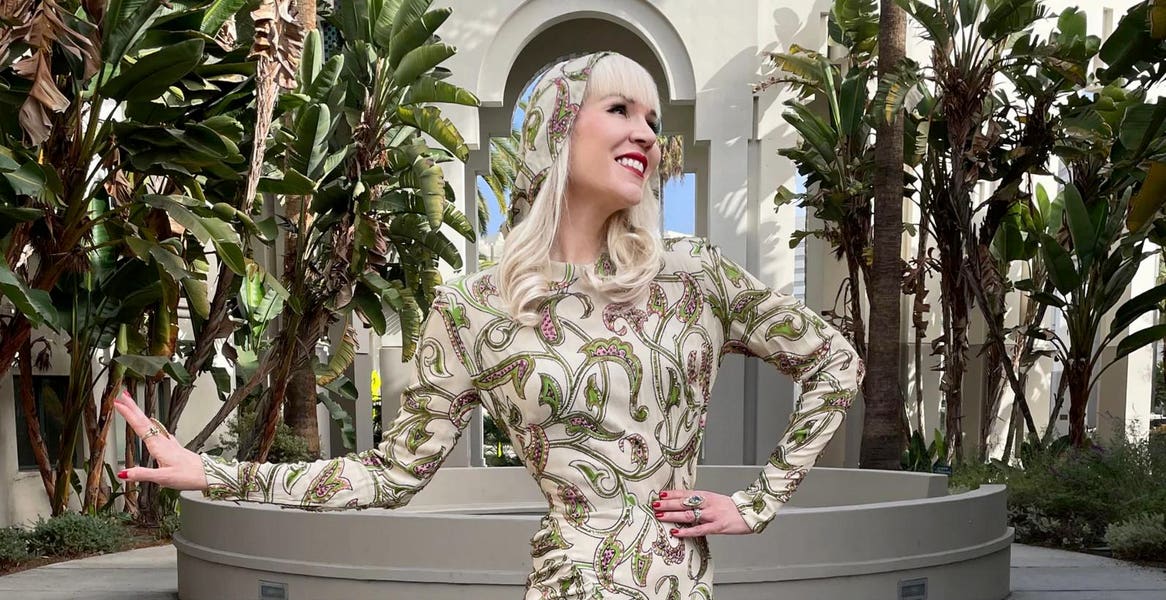
In today’s fashion landscape, vintage fashion is experiencing a remarkable renaissance, captivating enthusiasts and newcomers alike. With its unique blend of nostalgia and modern flair, vintage apparel is more than just clothing; it’s a statement of identity. Studies show that the global vintage clothing market is projected to reach $64 billion by 2025, indicating a surge in consumer interest. In this vibrant scene, designers like Lauren Lepire are redefining how we perceive vintage by integrating timeless designs into contemporary fashion, fostering a deep connection between past and present. Moreover, vintage fashion’s sustainable ethos is an ideal fit for today’s eco-conscious consumers, reinforcing its popularity in this era of fast fashion.
The Revival of Timeless Vintage Fashion
The contemporary revival of vintage fashion is underscored by its ability to blend classic styles with modern interpretations. Designers are now focusing on curated collections that reflect the distinct aesthetics of past decades. For example, the striking use of bold prints and structured silhouettes from the 80s has made a significant comeback, as seen at recent fashion weeks. Notably, American designers at NYFW are shifting away from tradition, embracing these vintage influences while introducing innovative twists. This melding of eras not only revives forgotten trends but adds layers of personal storytelling that resonate with today’s consumers.
Eco-Friendly Appeal of Vintage Clothing
Sustainability is at the forefront of modern fashion discourse, and vintage clothing offers a compelling solution. The act of reusing and upcycling not only reduces waste but also promotes ethical fashion practices. Consumers are increasingly attracted to the unique character of vintage pieces, appreciating the stories they carry and their lower environmental impact. As more shoppers prioritize eco-conscious choices, brands that spotlight vintage collections are poised to benefit. Furthermore, platforms dedicated to second-hand shopping have skyrocketed in popularity, with many leveraging social media to build communities around sustainable fashion—demonstrating that vintage is indeed fashionable and responsible.
📊 Key Sustainability Insights
- Wastage Reduction: Vintage clothing reduces the demand for new textiles, significantly decreasing fashion waste.
- Unique Style: Each vintage piece offers a distinct look that allows for greater personal expression.
Iconic Vintage Fashion Influencers
Fashion icons continue to play a pivotal role in promoting vintage styles. Figures like Greta Lee, who was recently named a Dior ambassador, illustrate how modern stars gravitate towards vintage aesthetics. For more on her influence, see this detailed analysis. Through their advocacy, they not only elevate vintage items but also inspire fans to embrace and celebrate past trends, showing that vintage fashion is not merely retro but also very much alive and relevant in today’s sartorial conversation.
Practical Tips for Incorporating Vintage into Your Wardrobe
For enthusiasts eager to integrate vintage fashion into their daily looks, several strategies can enhance the experience. Firstly, mixing vintage pieces with contemporary items creates a balanced aesthetic that feels fresh. Experimenting with layering techniques can allow individuals to showcase their unique style. Additionally, sourcing vintage clothing from reputable platforms ensures quality and ethical buying, fostering a richer wardrobe experience. For tips on enhancing your professional presence, check our LinkedIn post templates that resonate with personal branding, which complements a stylish vintage wardrobe.
Key Takeaways and Final Thoughts
The revival of vintage fashion represents much more than a trend; it signifies a movement towards sustainability, individual expression, and a deeper appreciation for fashion history. As consumers increasingly value unique quality and eco-conscious decisions, vintage fashion stands out as a compelling choice. Embracing this style contributes to not only personal aesthetics but also the broader cultural conversation about sustainability and ethics in fashion. The future of vintage is bright, and its relevance will continue to thrive in modern fashion landscapes.
❓ Frequently Asked Questions
What are the top benefits of vintage fashion?
Vintage fashion promotes sustainability by reusing materials and offers unique style choices that stand out in a crowd. It reflects personal identity and can be both economically and environmentally beneficial.
How to authenticate vintage clothing?
Look for labels, tags, and stitching patterns that are era-appropriate. Seek professional authentication services if unsure. Knowledge of the historical context can also aid in recognizing genuine vintage pieces.
To deepen this topic, check our detailed analyses on Beauty & Skincare section