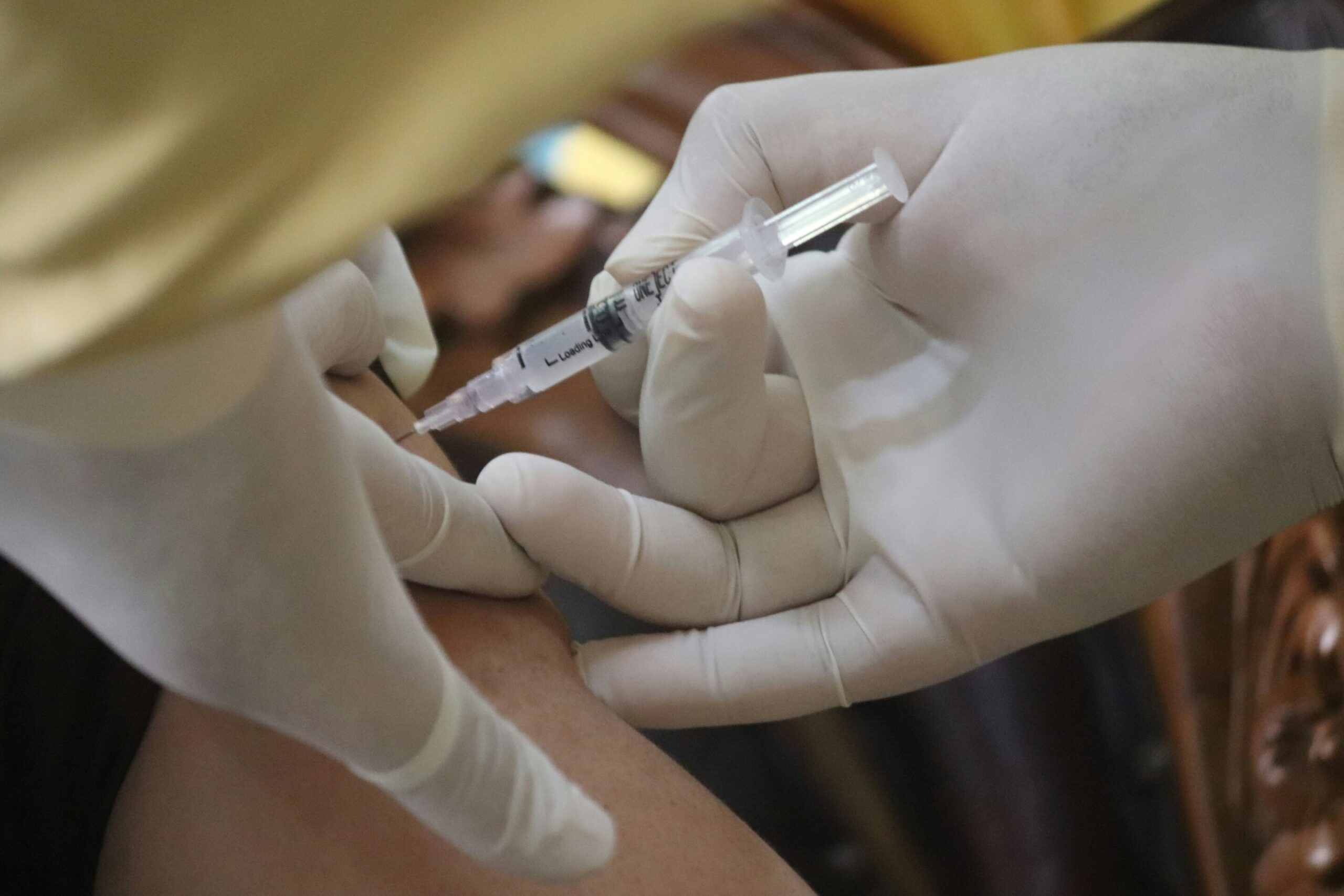
As vaccination continues to be a critical public health tool, understanding the vaccine effects on individual and community health is more important than ever. Surprisingly, a recent study highlights that many randomized trials designed to explore non-specific vaccine effects—that is, whether vaccines offer protection against diseases other than those they target—failed to provide evidence supporting such effects. This could reshape our understanding of how vaccines work and their broader implications for health systems globally. By delving into these vaccine effects, we can offer a clearer picture of their benefits and limitations, ultimately guiding more informed public health decisions.
Reassessing Non-Specific Vaccine Effects
Vaccines are often lauded for their ability to prevent specific illnesses, such as measles or whooping cough. However, the effects of vaccines can sometimes extend beyond the intended targets. Over the past three decades, researchers from the Bandim Health Project in collaboration with Aarhus University have conducted extensive trials in Guinea-Bissau and Denmark to investigate these so-called non-specific effects. Their findings, recently summarized in a comprehensive Danish review, reveal a concerning trend: the trials, which have involved thousands of children, did not demonstrate substantial non-specific benefits.
In fact, out of 13 randomized trials included in the review, only one trial supported the hypothesis designed to test non-specific effects, and it was ultimately terminated early due to inconclusive outcomes. This finding emphasizes the need for caution and rigorous scrutiny when interpreting outcomes from vaccine research, particularly when advocating for changes in global vaccination strategies.
What the Data Shows
The comprehensive analysis examined over 1,400 statistical analyses derived from the trials, ultimately concluding that only about 7% of hypotheses presented by the researchers were likely accurate. This analysis highlighted a significant issue: researchers tended to emphasize secondary findings to support their theories, often overlooking the primary outcomes that did not confirm their original hypotheses. This underlines a fundamental aspect of scientific rigor—results must be carefully interpreted and presented without bias to accurately reflect the state of knowledge.
This calls into question how vaccine effects have been communicated to the public and healthcare providers. For example, if non-specific effects are not supported by substantial research, it may lead us to reconsider how we approach vaccination programs on a global scale. As discussed in related research, such as the impact of childhood vaccines, understanding the limits of these benefits is essential for developing more effective public health strategies.
Understanding the Importance of Rigorous Research
Research in the field of vaccines must adhere to the highest standards of methodological integrity. The recent Danish review not only emphasizes the importance of evaluating existing vaccine trials but also encourages additional exploration of non-specific effects in vaccines. It raises critical questions regarding future vaccine research methodologies. As Henrik Støvring, the lead review author stated, “We hope that others in the field will now re-evaluate the evidence” of non-specific vaccine effects.
This sentiment aligns with ongoing discussions in various health contexts, such as those related to youth health crises, which require robust and transparent research findings to inform policy and practice. Rigorous research helps ensure that health interventions, including vaccines, are effective while also supporting public trust in health systems.
Broader Implications for Public Health Strategies
The implications of these findings extend far beyond the realm of theoretical debates. Understanding the specific protective effects of vaccines is crucial not only for clinical practice but also for global health initiatives. Many vaccination programs have been crafted with the assumption that vaccines confer broader protections which may not be substantiated by data, potentially leading to misallocation of resources and efforts.
In light of this, health leaders must consider the necessity of evidence-based practices and the role that public perception plays in vaccination uptake. Similar considerations were recently addressed in discussions about parenting strategies in a tech-driven world, where data often shapes belief and behavior. It is essential for public health communication to incorporate findings from comprehensive reviews like the one led by Støvring, ensuring clarity and honesty in the benefits linked to vaccines.
The Path Forward: Fostering Confidence in Vaccination
With the complexity surrounding vaccine effects, there is an urgent need to foster public confidence in vaccination programs through transparency and evidence-backed information. By presenting all sides of vaccine efficacy—including the limits of their non-specific benefits—we can better prepare communities for informed health decisions.
Moreover, as researchers and public health officials analyze existing data, it is crucial that they also investigate potential avenues for better vaccine formulations that can maximize protective effects. A promising step in this direction can be found in collaborations across the globe, pooling insights and data to bolster vaccination strategies. Studies such as those related to healthcare safety will continue to shed light on better practices in preventive medicine.
To deepen this topic, check our detailed analyses on Medical Innovations section
In conclusion, while the effects of vaccines remain a critical area of research, it is essential to navigate this conversation with transparency backed by rigorous data. As we look towards the future of vaccination programs, the balance of evidence and public trust will play a significant role in improving community health outcomes.