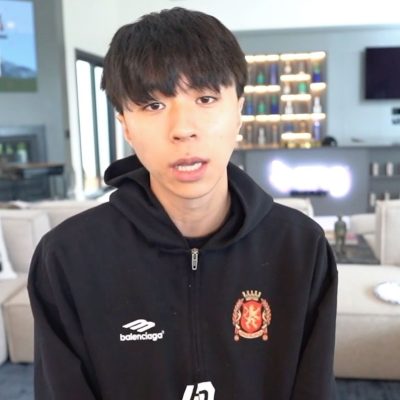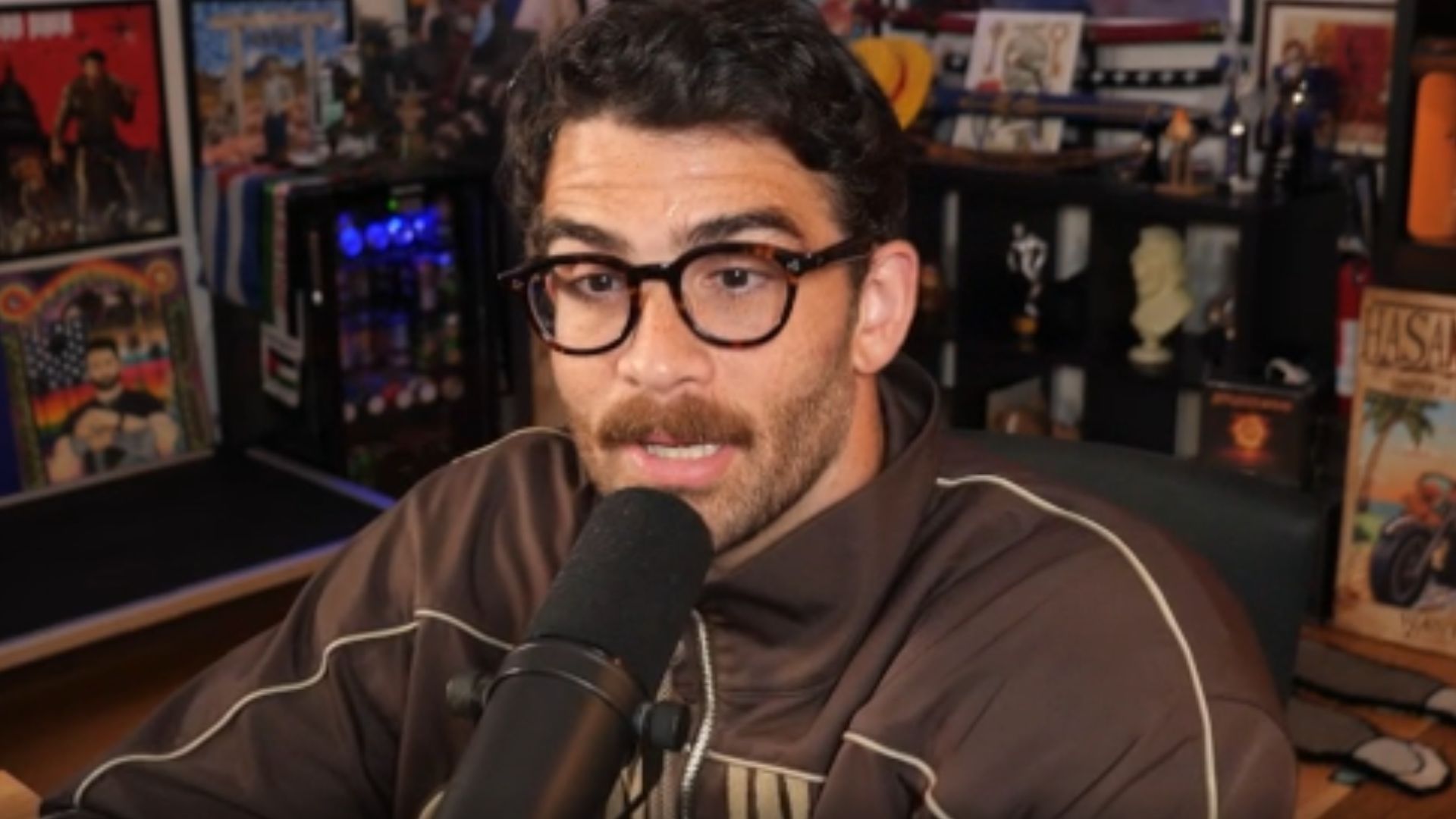
In the fast-paced world of online streaming, understanding the Twitch Terms of Service is essential for content creators aiming to thrive on the platform. Recent discussions surrounding the enforcement of these rules have sparked debates among streamers and followers alike. For example, during a live stream on September 17, 2025, streamer HasanAbi asserted that he adheres strictly to the Twitch Terms of Service, claiming that he hasn’t faced bans due to the nature of his content. This bold statement drew an interesting reaction from fellow streamer xQc, who found HasanAbi’s remarks quite surprising. The ongoing discourse highlights the importance of familiarizing oneself with the Twitch Terms of Service, as understanding them can influence a streamer’s success and reputation.
As Twitch continues to evolve, so do the challenges and controversies. In this article, we will explore the various interpretations of the Twitch Terms of Service and their implications for streamers, as well as how they impact the broader streaming community.
Understanding Twitch Terms of Service: A Streamer’s Guide
Navigating the Twitch Terms of Service can seem daunting, but it is crucial for anyone looking to build a successful channel. Here are some core aspects that every streamer should be aware of:
- Content Guidelines: Twitch has strict rules regarding what types of content are acceptable, from avoiding hate speech to managing copyright issues.
- Reporting Violations: Knowing how to report violations is part of a healthy streaming community, and being aware of how Twitch enforces rules is essential.
These guidelines ensure that streamers can create an engaging and safe environment while also protecting their brand. Recently, HasanAbi commented on his adherence to these rules, stating, “No matter how much my haters try to f**king present it as the opposite, I stick within the confines of the terms of service.” In a world where rules can feel subjective, it’s vital for creators to understand these guidelines and put them into practice.
Streamer Reactions and Community Dynamics
The reaction of other streamers to HasanAbi’s statements emphasizes the complexities of interpreting the Twitch Terms of Service. xQc, one of Twitch’s most influential figures, expressed disbelief at HasanAbi’s claims, saying, “Oh man, dude, that’s crazy.” This kind of discourse reflects a broader concern about favoritism and selective enforcement on the platform.
Let’s break down the implications of such statements with some examples:
- Transparency: When streamers like HasanAbi openly discuss their relationship with the platform, it raises questions about transparency in moderation.
- Community Trust: Streamers must maintain trust with their audience, and controversies can lead to skepticism about fair treatment on the platform.
With this thought in mind, streamers must be aware of how their content and behavior align with the platform’s values and the expectations set forth in the Twitch Terms of Service.
Financial Incentives and Content Creation
Understanding the financial aspect of being a Twitch streamer is also crucial. HasanAbi mentioned that his content generates revenue for Twitch, implying that this financial relationship could influence how strictly the Twitch Terms of Service are enforced against him. Key points on this topic include:
- Revenue Sharing: Streamers often receive a portion of their subscriptions and ad revenue, which incentivizes both Twitch and creators to maintain a partnership.
- Branding Opportunities: Positive associations with streamers can enhance Twitch’s image in the media, particularly when unique activation campaigns highlight social issues.
While this dynamic can lead to lucrative opportunities for creators, it can also create ethical dilemmas about the enforcement of the Twitch Terms of Service.
Comparing Twitch with Other Platforms
An informed streamer also understands how Twitch Terms of Service compare with other platforms. This knowledge arms content creators with the ability to adapt to different environments. Here are some insights:
- Diverse Guidelines: Each platform, from YouTube to Facebook Gaming, has its own set of guidelines that can create challenges for creators transitioning between platforms.
- Legal Compliance: Understanding the legal ramifications of content policies is vital regardless of the platform being used.
Streamers must consider these factors when assessing their strategies for growth and audience engagement, ensuring compliance while still pushing creative boundaries.
Future of Streaming and Enforcement
As streaming becomes increasingly popular, the Twitch Terms of Service will likely continue to evolve. This can mean more detailed regulations or a shift in how policies are enforced. The streaming landscape will be challenged to ensure fairness and transparency for all content creators. To keep up, here are key trends to watch:
- Increasing Regulations: As the platform evolves, new regulations may surface that aim to protect viewers and streamers alike.
- Community Advocacy: The need for community-led initiatives to improve oversight and fairness in the enforcement of Twitch Terms of Service is becoming more apparent.
With these trends, staying informed will be vital for content creators aiming to flourish within the community.
Conclusion: Stay Informed and Engaged
The discussion around the Twitch Terms of Service is far from over, especially as content creators like HasanAbi and xQc bring these topics to light. Streamers should remain vigilant, not only about the rules but also about how these regulations impact their livelihood.
To delve deeper into these discussions, you can explore similar controversies, such as the controversy surrounding HasanAbi’s ban and its implications for the community. Stay tuned for further analysis on these stimulating topics!
To deepen this topic, check our detailed analyses on Streaming & Platforms section