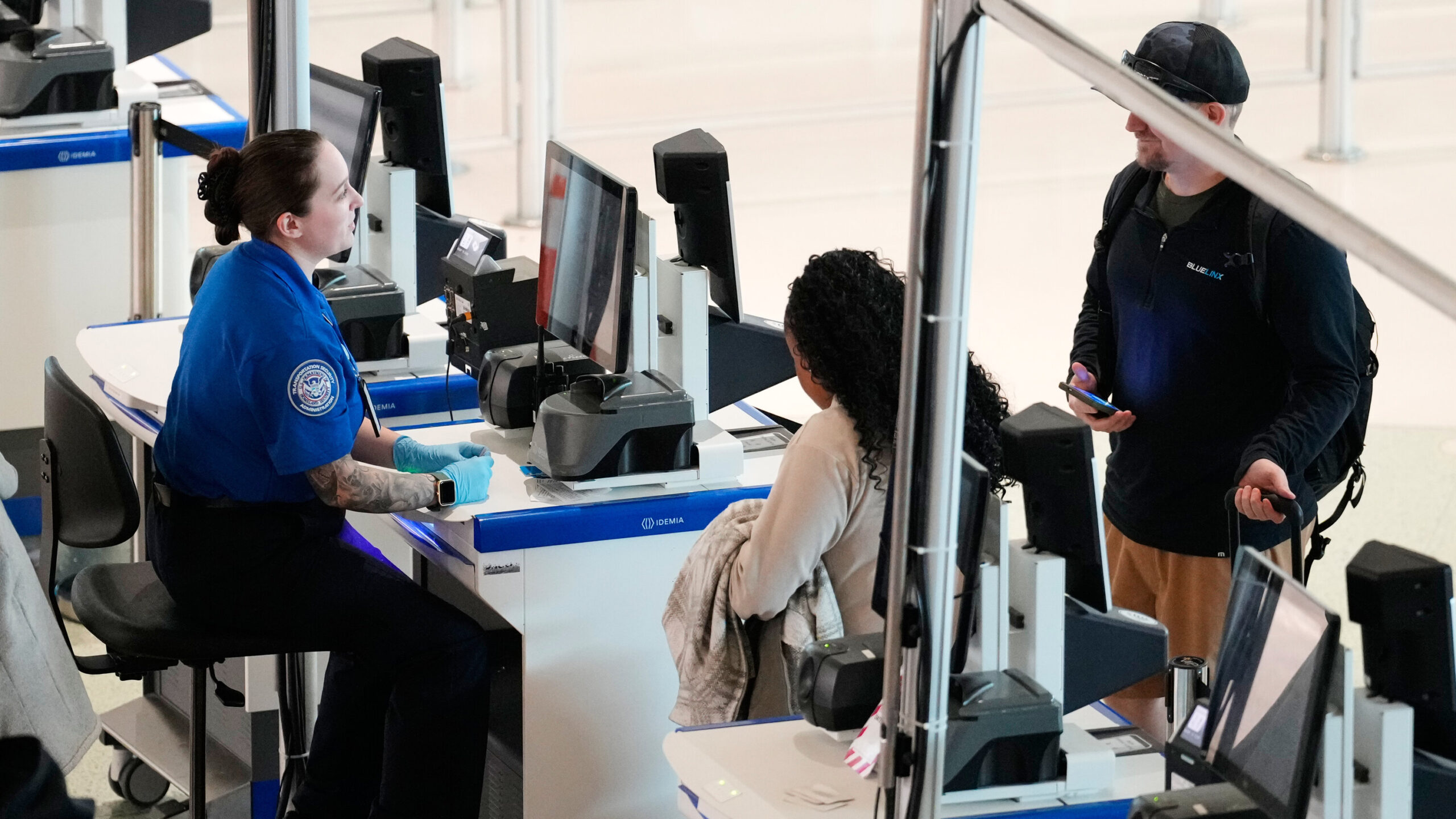
As the effects of the ongoing crisis continue to unfold, the TSA airport shutdown is becoming a pressing concern for travel enthusiasts and airport authorities. Recent statistics illustrate a troubling reality: over 30% of Transportation Security Administration (TSA) officers are currently absent from work, leading to lengthy security lines and, in some cases, the potential closure of small airports. In an interview, Adam Stahl, the acting deputy administrator of the TSA, expressed the gravity of the situation, mentioning, “it’s not hyperbole to suggest that we may have to quite literally shut down airports, particularly smaller ones…” This alarming situation raises critical questions about the future of travel and safety in the United States.
Understanding the Impact of the TSA Airport Shutdown
The ongoing TSA airport shutdown is primarily a result of funding issues linked to a bitter dispute over immigration enforcement. Since the funding for the Department of Homeland Security expired on February 14, approximately 50,000 TSA officers have been working without pay. Unfortunately, this has led to a surge in officer absences. According to the Department of Homeland Security (DHS), on specific days, more than 10% of TSA personnel did not report for duty, marking the highest absence rates of the shutdown thus far.
This crisis is impacting major airports like Hartsfield-Jackson Atlanta International, where more than 37% of TSA staff were absent on a particularly busy Monday. Similar statistics surfaced at JFK and LaGuardia in New York, where absence rates exceeded 30% and 20%, respectively. The rising absence rates are making themselves evident in the form of hours-long security wait times at various airports across the country.
The Consequences for Travelers
Travelers are now facing the real possibility of extended wait times, with TSA officials like Stahl predicting three- or four-hour delays if the situation continues to worsen. Such developments are anything but trivial; they not only affect the schedules of millions of passengers but also threaten the overall efficiency of air travel in the U.S.
Many TSA employees are opting to take second jobs to compensate for their lost income. This situation has led to increasing reports of officers calling in sick, further exacerbating the staffing crisis. As a consequence, the TSA has already witnessed over 366 employees quit since the beginning of the shutdown, raising alarms over the potential degradation of airport security as staffing continues to dwindle.
The Ripple Effects on Small Airports
Small U.S. airports are particularly vulnerable in this scenario. Should more TSA officers continue to abandon their posts, the risk of shutting down these essential travel hubs could become a reality. The TSA has suggested that airport closures would occur on a case-by-case basis, depending on the number of officers available to staff security checkpoints.
While larger airports can potentially absorb the impact of these challenges, smaller airports may not be able to withstand such pressures. As exemplified in similar challenges illustrated in shutdown claims that spark controversy at airports, small airports often operate with limited resources and staffing capabilities, leaving them particularly susceptible to closures and operational setbacks.
The Broader Implications of Government Shutdowns
The impact of the TSA airport shutdown is not isolated to air travel—it serves as a microcosm of the broader implications of government funding crises. Just as seen with the widespread disruptions during AWS outages, which affected several major sites, such as Disney and Reddit (source), any interruption in government services can have cascading effects across industries, exacerbating existing tensions and operational challenges.
As the situation continues to evolve, individuals in all sectors must be prepared for potential shifts in operational capacity, particularly in crucial areas like travel and hospitality. For those in the real estate market, understanding the potential fallout from these shutdowns is critical. This is especially relevant in light of our upcoming discussion on how government shutdowns impact real estate.
Final Thoughts: Preparing for Uncertainty
As passengers prepare to navigate an increasingly precarious environment due to the TSA airport shutdown, staying informed and flexible is more crucial than ever. With discussions around possible shutdown closures, the time is ripe for travelers to reassess their travel plans and anticipate longer wait times. In light of ongoing issues, many may find value in deepening their understanding of the crisis—similar to our analysis on internet disruptions that challenge connectivity and accessibility.
To deepen this topic, check our detailed analyses on Travel & Tourism section.