In a surprising twist of technology, the concept of a touchscreen MacBook is becoming more than just a speculative dream. Recent reports from Bloomberg indicate that Apple is working on introducing a touchscreen MacBook Pro with an OLED screen, set to be released by the end of 2026. This revelation comes after over a decade of skepticism about the practicality of touchscreens on MacBooks. For instance, Steve Jobs famously claimed in 2010 that adding a touchscreen to a MacBook would be “ergonomically terrible.” The prevailing belief at that time was that the fatigue caused by reaching for a screen would outweigh the benefits of such a feature. However, current trends in technology and user experience may finally blur the boundaries between Apple’s iconic iPad and MacBook lines.
Why the Touchscreen MacBook Could Redefine User Experience
The anticipated touchscreen MacBook promises to enhance user interaction with its adaptable interface. Unlike Apple’s previous stance, which considered touch interfaces to be uncomfortable, recent advancements in user design principles suggest that the experience can be optimized. The touchscreen MacBook aims to incorporate context-sensitive touch menus, activating only when the screen is engaged with a finger. This innovation could provide a more intuitive experience, allowing users to switch seamlessly between the traditional point-and-click approach and touch interactions—a major leap in usability that acknowledges the shifting needs of modern consumers. Similar strategies are explored in our analysis of AI Marketing Transformation.
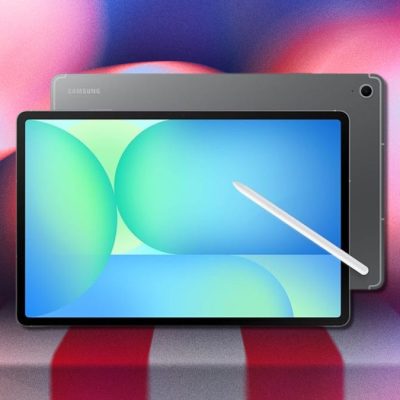
Two key benefits differentiate this upcoming touchscreen MacBook from its predecessors: increased flexibility and enhanced productivity. Whether you’re sketching out designs with Apple Pencil or navigating complex spreadsheets with finger gestures, the future of computing appears tactile. By introducing such forward-thinking designs, Apple aims to stay competitive with rivals that have embraced touch technology more readily.
How Touch Technology Has Evolved
Much has changed over the past decade. Initially, the backlash against a touchscreen MacBook stemmed from the design limitations of older hardware and user interface shortcomings. However, with rapid advancements in display technology and software optimization, the introduction of a touchscreen MacBook is feasible and exciting. The integration of OLED displays can offer vibrant colors, deeper blacks, and significantly improved energy efficiency, transforming the way users interact with their devices.
Industries such as graphic design and education can particularly benefit from this innovation. For example, in graphic design, artists may favor a touchscreen MacBook for its ability to allow intuitive gestures without the need for additional peripherals. Similarly, in education, the touch interface facilitates a more hands-on learning experience, making digital textbooks and applications more interactive and engaging. As reported in AI in Health Care, technology integration in various fields is evolving, making devices more adaptable to professional applications.
The User Experience: What to Expect
This touchscreen MacBook will not merely function as a laptop with a touch interface; it is designed to provide an optimized experience tailored to user interactions. By utilizing touch zones that activate toolbars or specific functions only during touch events, Apple aims to complement their established macOS environment, striking a balance between familiarity and innovation. Apple’s advancements will likely prevent the missteps that competitors experienced, such as the backlash against Windows 8’s hybrid interface.
Moreover, the anticipated launch of this laptop comes at a time when Apple is also focusing on enhancing its entire product ecosystem. Recent updates to the iPhone and iPad show a commitment to user-centric innovation that could translate well into the touchscreen MacBook. The interplay of these devices showcases Apple’s ability to craft seamless experiences across platforms, making the MacBook’s touch capabilities a natural evolution within the lineup.
Conclusion: Embracing Change in Technology
It’s clear that we are on the precipice of change regarding the use of touchscreens in laptops. While skepticism about a touchscreen MacBook was once widespread, this new device represents a significant shift in Apple’s approach to user experience. With the planned release and the integration of touch technology into classic MacBook design, Apple appears to be ready to embrace this change fully.
Stay informed about technological innovations like the touchscreen MacBook and other advancements by checking our detailed analyses on the Tech Tips & Tricks section to uncover how these changes will shape our digital future.
To deepen this topic, check our detailed analyses on Tech Tips & Trickssection