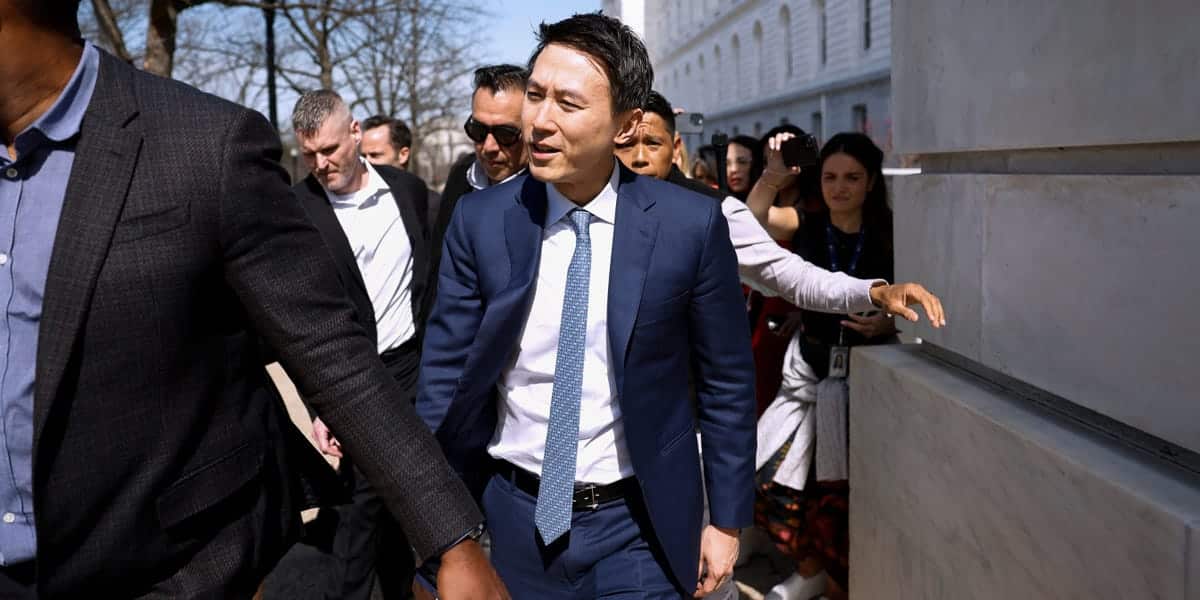
The ongoing TikTok ban has sparked significant discussions surrounding data privacy, national security, and the future of social media platforms. As lawmakers push for stricter regulations, experts emphasize the implications this could have on millions of users in the U.S. Recent reports indicate that ByteDance, the parent company of TikTok, faces a deadline to restructure its ownership to avoid a complete ban by the government. In fact, as of now, TikTok has until mid-September 2025 to comply with these mandates or risk being permanently expelled from the U.S. market. A survey conducted in August 2025 revealed that nearly 60% of U.S. users express concerns about their data security when using the app, highlighting a growing distrust that could affect the platform’s user engagement.
The Legal Landscape of the TikTok Ban
As the TikTok ban moves through the courts, the legal arguments surrounding it have become increasingly complex. The government asserts that TikTok poses a national security risk due to its ties to China, claiming user data could be misused. Legal experts point out that these claims will be critical in upcoming court rulings, especially as related cases begin to unfold in the Supreme Court. In January 2025, the Supreme Court ruled against TikTok, stating that the app’s challenge to a U.S. law was unwarranted. This ruling adds a significant legal hurdle for TikTok, indicating that its future hinges on compliance with American regulations. For more details on this issue, check out this article on the Supreme Court’s involvement with TikTok.
Implications for Content Creators
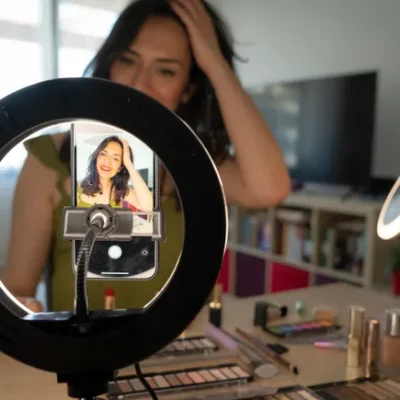
The potential TikTok ban poses an existential threat to the platform’s community of content creators. As TikTok became a major hub for personalized content and brand promotions, many users built their livelihoods around engaging audiences on this platform. If the ban goes through, creators might need to pivot to alternatives like YouTube or Instagram Reels. This adjustment could require significant time and effort, further complicating their financial stability. Influencers are already strategizing on how to diversify their content across platforms in anticipation of a mandated shutdown. For tips on enhancing financial literacy in social media, see our detailed analysis on financial literacy for fintech users.
📊 Impacted Categories
- Advertising Revenue: $5 billion at stake
- Creator Economy: Thousands may lose income
Alternatives and Adaptation Strategies
As content creators reassess their options, many are looking towards competing platforms like YouTube and Instagram. It’s crucial for creators to develop strategic plans that allow them to transfer their audiences organically to these sites if the TikTok ban becomes permanent. This transition may include cross-posting content and engaging audiences through various forms of storytelling. Additionally, as creators move forward, they should also consider the tools available in the market for content creation, including those emerging from AI, which may offer new opportunities to streamline their work. For insights on AI tools that can enhance your coding workflow, read our comparison of AI coding tools.
Key Takeaways and Final Thoughts
The future of TikTok in the U.S. remains uncertain as the potential ban looms, based on national security concerns. As this situation evolves, both content creators and users must remain adaptable. Understanding the implications of changes in platform regulations is crucial for ensuring continued engagement and revenue generation. Overall, maintaining an awareness of alternative platforms and emerging tools can help ensure that audience engagement continues in a shifting digital landscape.
❓ Frequently Asked Questions
What happens if the TikTok ban is enforced?
If the TikTok ban is enforced, users may lose access to their accounts, and content creators will need to migrate to other platforms to sustain their audience engagement.
Are there any alternatives to TikTok?
Yes, platforms like YouTube Shorts and Instagram Reels offer similar functionalities, providing creators with opportunities to reach their audiences.
To deepen this topic, check our detailed analyses on Marketing & Advertising section