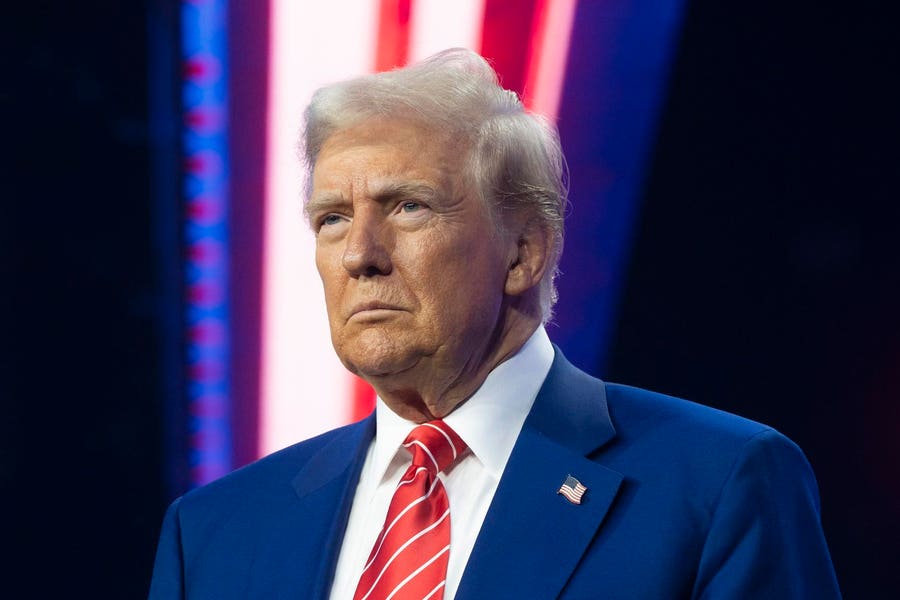
As discussions around data privacy intensify, the potential TikTok ban is resurfacing in the public eye. Many experts argue that the app, beloved by millions for its creative and entertaining content, faces a precarious future. Reports suggest that President Trump might extend the TikTok ban once again, stirring concern and speculation. Currently, 170 million users in the United States rely on this platform, yet there are still unresolved issues regarding data security and privacy. This article delves into the implications of the extended TikTok ban, examines the legal landscape, and questions the potential outcomes as the deadline approaches.
Understanding the Roots of the TikTok Ban
The TikTok ban originated from concerns about national security and user data privacy. The app, owned by ByteDance, a Chinese company, has been under scrutiny for allegedly mishandling users’ data. In a time when data breaches are commonplace, the U.S. government’s fears are not unfounded. The original aim was to mitigate risks associated with personal information being harvested without adequate protections. As President Biden reinforced the executive order to uphold this ban, the legal ramifications amplified, especially since the U.S. Supreme Court weighed in on the matter.
Despite these concerns, the implications of the TikTok ban appear minimal at present. Users continue to access the app as usual, and recent reports indicate that app stores may keep updating and offering downloads. Yet, these ongoing extensions lead to larger questions: Is the law losing its efficacy? Moreover, it begs the question of whether continued extensions are steering the issue toward resolution. As detailed in our analysis of Trump’s health policies, there is a consistent theme of uncertainty that surrounds these political maneuvers.
Legal Challenges Surrounding the TikTok Ban
Legal challenges regarding the TikTok ban have sparked intense debates about free speech and governmental authority. While many critics claim that extending executive orders without concrete action undermines the law’s original intention, some argue that these executive actions may lack legal standing altogether. It’s important to remember that the legislators initially aimed to prevent ByteDance from potentially manipulating data to influence elections or breed dissent. However, as the TikTok ban drags on, questions arise regarding whether any viable solutions will soon emerge.
Notably, the ongoing legal discourse raises concerns about whether a new company would even consider acquiring TikTok’s assets if the controversy doesn’t reach a resolution. As seen in the context of passenger rights under threat, continuously postponing legislation diminishes its perceived seriousness. The tech world is undoubtedly watching this unfold with cautious interest.
Implications for Current TikTok Users
What does the potential renewal of the TikTok ban mean for its users? The implications are somewhat varied. For starters, creators and influencers who have built vast audiences have little to worry about at the moment, as long as the app functions smoothly under the current legislative conditions. However, long-term uncertainty looms large, with users left questioning the app’s future viability. This unpredictability adds stress for content creators and their followers.
Furthermore, the idea of transitioning to another platform may not be appealing for many. Just as strategies for engagement on TikTok emphasize the importance of tapping into existing trends, users dread the thought of losing the unique atmosphere that makes TikTok distinct. The sentiment is clear: while users adapt rapidly to tech advancements, an element of nostalgia remains for the platforms they love.
Looking Ahead: The Future of the TikTok Ban
As the possible extension of the TikTok ban approaches, conversations surrounding its future are paramount. It seems evident that merely continuing to postpone the outcome won’t lead to lasting change. Deciding how to resolve this dilemma should involve comprehensive discussions focused on user privacy and regulatory standards rather than fruitless extensions.
Recent discussions suggest that unless definitive legal clarity emerges, users may face a reality where TikTok remains in limbo. The idea of a potential new owner, one with promises of transparency and data security, could restore confidence among users and spark renewed interest. Yet, until that happens, TikTok continues to represent a unique entity in a data-challenged landscape.
Conclusion: Navigating Uncertainty
In conclusion, the ongoing potential for a TikTok ban extension remains a vital topic in the social media landscape. It highlights the fractures between technology, law, and user experience. While users currently enjoy the platform, active discussions about data privacy and national security are critical in shaping the future. As seen in the narratives of Nikola Jokic’s trade rumors or media narratives surrounding Cam Thomas, engaging in these larger issues is essential as we navigate a rapidly evolving digital world.
To deepen this topic, check our detailed analyses on Social Media section