The health of the thymus, a critical component of the immune system, plays a vital role in how cancer patients respond to immunotherapy. Surprising studies reveal that patients with better thymic health have improved outcomes following treatment with immune checkpoint inhibitors, a revolutionary approach in oncology. In this context, the significance of thymic health immunotherapy becomes even more compelling. This emerging research indicates that monitoring thymic health could serve as a non-invasive biomarker for predicting treatment efficacy in various cancers, offering hope for better patient stratification in precision oncology.
Understanding Thymic Health and Its Impact on Immunotherapy
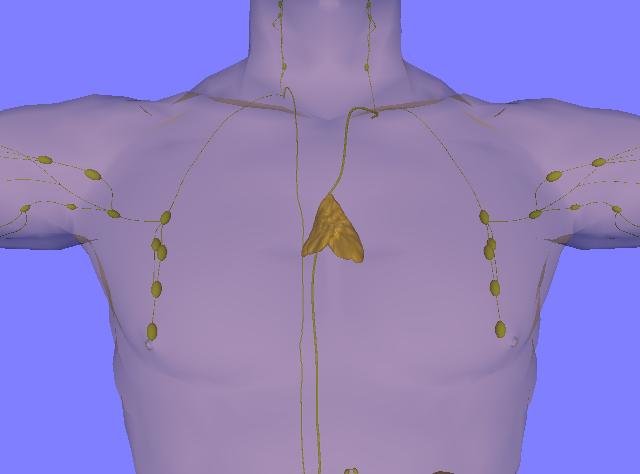
The thymus is essential for the maturation of T cells, which are crucial for immune responses. Recent investigations highlight that a healthier thymus correlates with a greater ability to fight cancer using immunotherapy. Dr. Simon Bernatz, leading a study published at the European Society for Medical Oncology, indicates that traditional biomarkers primarily focus on tumor characteristics, neglecting the patient’s immune capacity. This oversight may hinder optimal treatment responses.
In a comprehensive analysis of chest CT scans from nearly 3,500 patients, researchers used advanced AI techniques to evaluate thymic size and structure. Results revealed that patients with a higher thymic health score experienced a 35% lower risk of cancer progression and a 44% lower risk of death. This data underscores the importance of integrating thymic health immunotherapy into current treatment paradigms.
The Role of AI in Evaluating Thymic Health
Advancements in AI technology have opened new avenues for assessing thymic health. In the study mentioned, researchers employed deep learning algorithms to analyze CT scans, providing insights into thymic structure and potential health. This method serves as a validated proxy for understanding T cell functionality.
By sequencing T-cell receptors in a subgroup of patients with non-small cell lung cancer, the study correlated thymic health with deeper insights into T cell differentiation. This critical link indicates that monitoring thymic health, through AI-assisted evaluations, can enhance a physician’s understanding of a patient’s immune competency and treatment potential. Such findings reiterate the relevance of thymic health immunotherapy as a significant factor in cancer treatment response.
Broader Implications for Cancer Treatment
The implications of thymic health extend beyond non-small cell lung cancer. Research suggests that patients with melanoma, breast cancer, and renal cancers also benefit from stronger thymic health, with improved outcomes correlated to the efficacy of immunotherapy. As Dr. Bernatz mentions, the thymus’s role in T cell maturation may be a critical missing pillar in our understanding of cancer biomarkers, potentially guiding treatment decisions.
Furthermore, as discussed in research about cell culture basics, these findings advocate for a multi-faceted approach in evaluating patient health. One that includes traditional tumor-centered biomarkers alongside innovative evaluations of thymic health.
Future Directions for Thymic Health Research
Looking ahead, the urgent need for randomized clinical trials is clear. These trials could validate the effectiveness of using thymic health as a biomarker in routine clinical practice. Dr. Alessandra Curioni-Fontecedro emphasizes that identifying reliable biomarkers is crucial for tailoring immunotherapy to individual patient needs. As explored in our analysis of exosomes, integrating comprehensive biomarkers can enhance treatment strategies.
The studies’ findings advocate for a paradigm shift where the focus on the patient’s immune system becomes as critical as tumor characteristics. The ability to assess thymic health non-invasively could revolutionize patient stratification and treatment planning in oncology.
Final Thoughts on Thymic Health and Immunotherapy
In conclusion, the association between thymic health immunotherapy and improved patient outcomes presents an exciting frontier in cancer treatment. As researchers continue to explore this integration, the prospects for enhancing immunotherapy’s efficacy become promising. Understanding the synergistic effects of considering thymic health alongside traditional cancer biomarkers holds the potential to shape future therapeutic strategies profoundly.
To delve deeper into this topic, explore related analyses on lung scarring risks and their implications, as well as how different treatments may signal to clinicians when to employ immunotherapy compared to other therapies, similar to strategies discussed in GLP-1 receptor agonists.
To deepen this topic, check our detailed analyses on Medical Innovations section