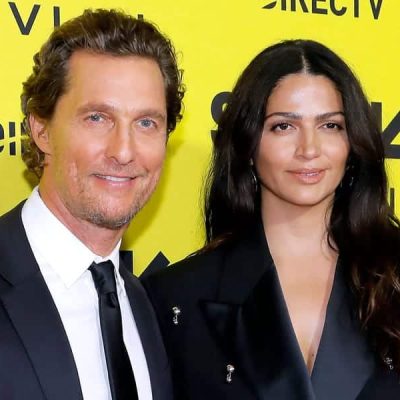
In today’s rapidly evolving digital landscape, the intersection of artificial intelligence and personal rights is a topic generating significant discussion. Recently, actor Matthew McConaughey urged aspiring performers to proactively protect likeness AI—a crucial strategy in an age where technological advances threaten individual ownership of identity and likeness. Did you know that legal guidance around this subject is becoming increasingly vital? McConaughey stressed the importance of preparing future generations in the entertainment industry for the changes brought by AI. The clear message he relayed to young artists is that they must take ownership of their personal brands in this challenging new environment to secure fair compensation and control.
Understanding the Need to Protect Likeness in the Age of AI
As AI technologies improve, the concern about them potentially assuming the identities of real individuals becomes more pronounced. McConaughey’s stance highlights a growing trend where actors and entertainers need to leverage legal frameworks to maintain their identities. He insists that simply voicing objections to AI’s intrusion won’t stop the tide facing them.
Choosing to protect likeness AI rights involves trademarking one’s name, likeness, and voice. McConaughey himself has pursued this process, having acquired eight trademarks related to his identity. This proactive approach sets a powerful example for others in the industry.
Strategies to Safeguard Your Likeness
Legal representation plays a crucial role in navigating this complex landscape. McConaughey advocated for young actors to seek legal protections and trademarks for their likenesses. He articulated, “own yourself, voice, likeness, etc. Trademark it!” By doing so, individuals can ensure that any use of their identity comes with their approval.
The ability to control who can use their identity—and under what circumstances—empowers creators. For instance, establishing strong legal groundwork allows artists to negotiate compensations and prevent unauthorized usage of their likenesses. This is especially pertinent in an entertainment market increasingly driven by AI technologies. Embracing this strategy can safeguard future earnings and rights.
AI in Entertainment: Opportunities and Threats
The entertainment industry is witnessing radical transformations with the introduction of AI. The potential for AI-driven content creation poses both opportunities and risks. As discussed by McConaughey and Timothée Chalamet during their conversation at the University of Texas at Austin, AI can significantly expedite production, but it also raises ethical questions about authenticity and authorship.
When creators understand how to protect likeness AI, they can adapt while still reaping the benefits of these innovations. For example, McConaughey’s caution against AI misuse is amplified by his investments in AI technology platforms like Eleven Labs. By actively engaging with AI, he’s aiming to shape the conversation around its impact on personal identities.
Real-World Implications of Trademarking Your Likeness
Understanding the legal ramifications of trademarking in a digital context is imperative. With McConaughey’s proactive trademarking of his iconic catchphrase, “alright, alright, alright,” he sets a precedent for others. Trademarks help define the boundaries of personal identity in our increasingly digital-focused world.
For instance, consider a budding artist who officially trademarks their unique persona. This action serves as a legal shield, ensuring that any exploitation of their likeness without consent results in significant repercussions for the infringer. As McConaughey’s attorney noted, this gives individuals a tool to combat AI misuse. By actively working to protect one’s rights, artists can have substantial leverage in various creative negotiations.
The Future: Navigating AI with Confidence
As the landscape continues to morph, artists and creators must remain vigilant. McConaughey emphasizes that seeing AI as a complement rather than a threat may provide a balanced perspective. While AI can replicate likenesses, its functionality lies in assisting and amplifying personal creativity rather than replacing it.
In conclusion, aspiring talents must become adept at navigating these changes. Proactively pursuing legal measures, like trademarking their likenesses, equips them to face the uncertain future of entertainment with confidence. McConaughey’s message is clear: taking control over one’s identity is essential in mastering this evolving digital landscape.
To deepen this topic, check our detailed analyses on Parenting section
As artists like McConaughey forge a path in protecting their likeness, others can learn from their foresight and strategic mindset in today’s AI-driven world.