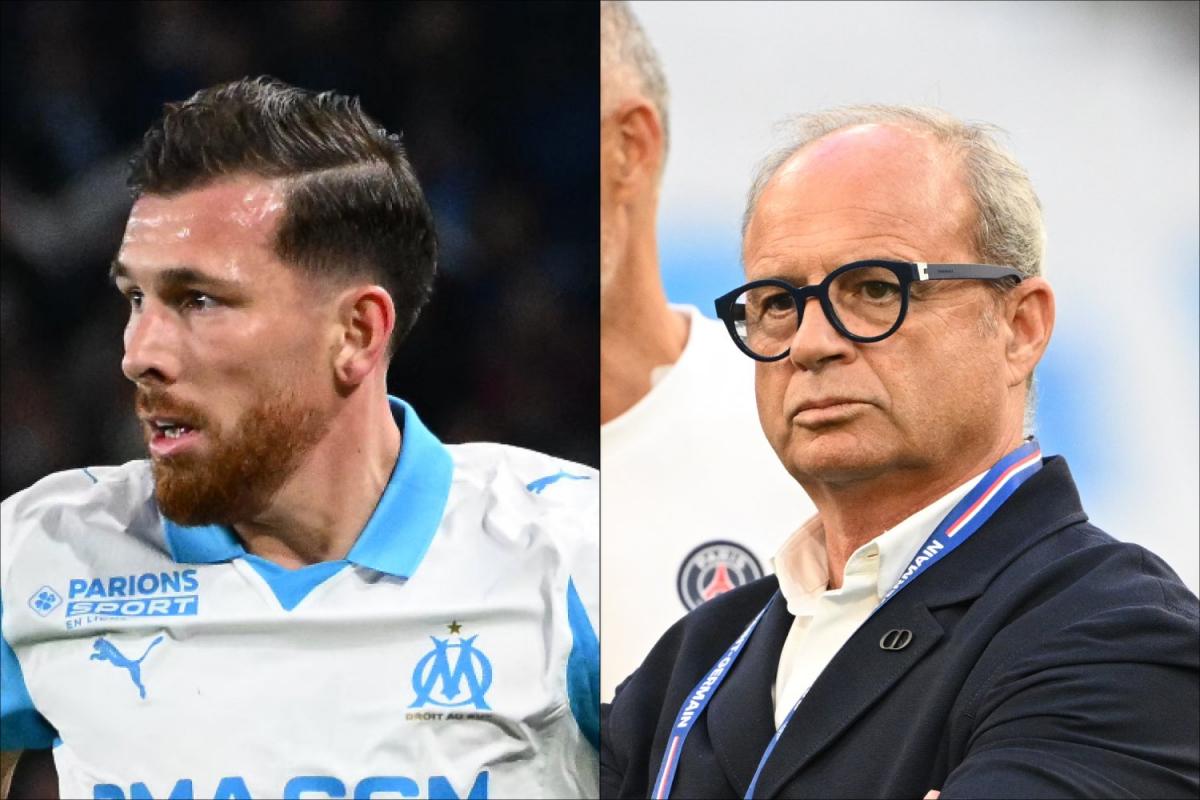
The recent clash between Pierre-Emile Höjbjerg and Luis Campos during the highly anticipated Classique showcased the intensity of rivalry between two of France’s biggest football clubs, Marseille and PSG. Following the match, which saw Marseille clinch a narrow 1-0 victory, a fiery exchange within the Vélodrome’s corridors caught the attention of fans and commentators alike. The moment highlighted not only the passion for the game but also the dramatic tension prevalent in high-stakes matches like this one. The incident exemplifies the importance of player and staff interactions during critical moments of any football match, and it offers crucial insights that resonate far beyond the field. The incident involving the Höjbjerg Campos exchange epitomizes the emotions fueled by rivalry, ensuring that the spotlight remains firmly on both teams in the wake of this encounter.
The Heated Exchange: Context and Implications
The halftime break during the Classique is usually a time for reflection and strategy. However, what took place was anything but typical. Luis Campos, the sporting director of PSG, was seen storming down the hall, livid about perceived injustices during the game. Reports indicate that he confronted Achraf Hakimi in an attempt to address grievances, emphasizing his frustration with what he described as unacceptable behavior from Marseille’s staff. In a clear breach of sportsmanship, Campos expressed his discontent towards a security guard’s comment that escalated tensions even further. This confrontation shed light on the intricate dynamics within the high-pressure environment of professional football.
The Höjbjerg Campos exchange took center stage as the Danish midfielder aptly responded to Campos’s provocations. Armed with the knowledge of their ongoing rivalry, Höjbjerg defended his position, reinforcing the idea that emotions often run high amidst the fierce competition found in Ligue 1.
The Aftermath: Fan Reactions and Media Scrutiny
In the days following the encounter, social media exploded with reactions to the now-infamous exchange. Fans of both clubs expressed a range of emotions, from support for their respective teams to disapproval of the confrontation’s nature. Football analysts weighed in, questioning the appropriateness of Campos’s actions and examining the implications for the clubs involved. The incident is reminiscent of other notable moments in football history where players and officials clashed outside of the spotlight, creating lasting narratives in the league. Much like discussions surrounding controversial referee calls, this incident will likely be scrutinized for months to come.
Interestingly, similar to strategies discussed in the game between PSG and Marseille, where tensions were also heated, this exchange emphasizes the role that external pressures play in shaping a match’s outcome. The passion displayed resonates with football’s rich cultural backdrop, making it clear that beyond tactical play, the psychological aspect of the game is equally pivotal.
Insights from the Classique’s Dynamic Atmosphere
Matches like the Classique serve as a reminder of the unique atmosphere that surrounds French football. The contrasting styles between PSG and Marseille fans create an electrifying mood that can easily touch the players and staff alike. During such matches, the stakes are incredibly high, not just for points but for pride and legacy. Members of both teams are fully aware of the significance of their performances, leading to tense exchanges, both on and off the pitch.
The heated Höjbjerg Campos exchange serves as an example of how these moments can reflect the broader context of team dynamics and rivalries. Fans watching the incident unfold felt the emotional weight of the occasion, leading to discussions about sportsmanship, respect, and the spirit of competition. With media coverage amplifying these discussions, such encounters may lead to changes in attitudes and behaviors among players and management.
Strategic Lessons for Future Matches
Looking forward, the implications of the Höjbjerg Campos exchange may influence how both teams approach future matches. Campos might reconsider his methods of addressing grievances to prevent escalating tensions, while Höjbjerg’s reaction could serve as a blueprint for players facing similar provocations. In high-stakes matches, it is crucial to maintain composure, as emotional outbursts can detract from the overall goals of the team.
As a case study, we can draw parallels to other intense moments discussed in our analysis of PSG’s previous defeats and their effects on the team strategy moving forward. Maintaining focus during critical exchanges can be the difference between a win and a loss, emphasizing the need for mental resilience in sports.
Conclusion: Understanding Rivalry Beyond the Pitch
The Höjbjerg Campos exchange serves as an important reminder of the emotional complexities involved in football. It underscores the idea that while tactics and skill are vital, the human elements of passion, rivalry, and emotion play equally significant roles in shaping outcomes. The fallout from this incident will likely continue in fan discussions and expert analyses for some time.
To deepen this topic, check our detailed analyses on Football ( Soccer ) section