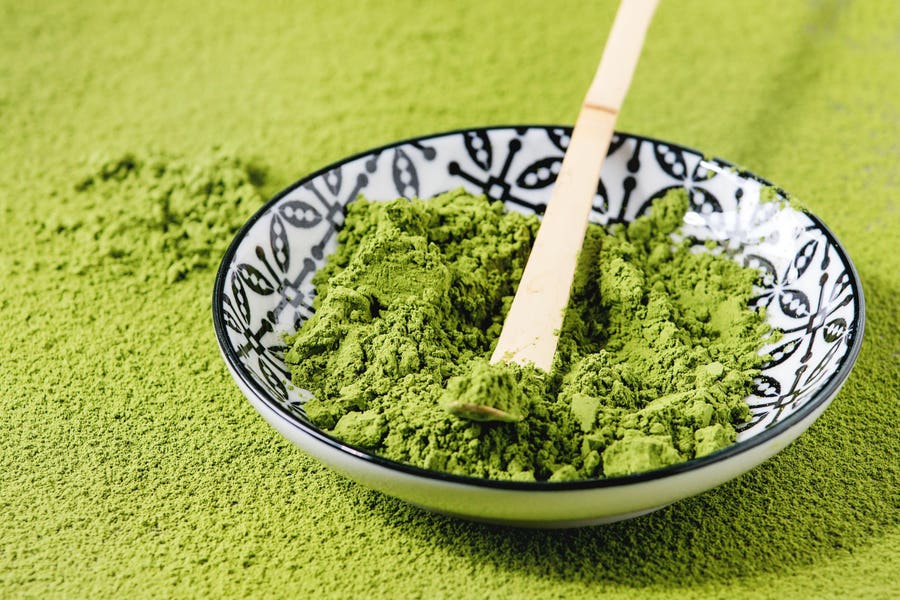
In the vibrant world of social media, trends come and go, but few have inspired as much curiosity and discussion as performative matcha. This concept transcends the mere act of drinking matcha; it encapsulates an entire lifestyle, driven by aesthetic and identity. Recent studies show that the popularity of matcha amongst younger generations is soaring, with Google searches for terms like “performative matcha” increasing significantly. This article delves into the phenomenon of performative matcha, exploring its roots, cultural implications, and the social signals it conveys.
Understanding Performative Matcha
The essence of performative matcha lies in how it’s consumed and presented rather than in its flavor or health benefits. By sharing their matcha experiences online, individuals showcase not only their beverage choice but also their personality and values. In a digital age marked by curated identities, the ritual of preparing and sipping matcha becomes a performance—a way to communicate sophistication, mindfulness, and a connection to wellness culture.
One cannot overlook the parallels between performative matcha and other lifestyle movements. Similar to the rise of clean eating or artisanal coffee culture, the images and videos associated with matcha reveal a distinct *vibe* and an underlying narrative. The beverage becomes a vehicle for storytelling, with hashtags like “#matchaboyfriend” and “#softmasculinity” emerging to define a curious blend of masculinity and contemporary sensitivity.
Historical Context of Matcha
Matcha’s roots are steeped in history, originating from China’s Tang dynasty before firmly embedding itself in Japanese culture. It gained prominence through the Japanese tea ceremony, where Zen monks initially used it to enhance meditation. The philosophy behind this ritual revolves around simplicity and presence, fostering a deep appreciation for the moment and the connections formed over tea. As explored in our analysis of hyaluronic acid, such cultural practices emphasize intentionality and authenticity—qualities that often contrast starkly with modern interpretations of performative matcha.
In the present day, matcha took off in America following its introduction by major chains like Starbucks in the early 2000s. Marketed as a healthier alternative with abundant antioxidants and caffeine, its allure quickly spread through specialty cafés and grocery stores, evolving into a lifestyle choice for many. With the blending of traditional and contemporary influences, matcha is no longer just a drink; it’s a statement.
The Aesthetic Appeal of Matcha in Popular Culture
Over the last few years, we’ve witnessed the rise of performative matcha largely among Gen Z consumers who seek not just flavor but an experience. Whether it is swirling matcha in a handcrafted bowl or sipping from a beautifully designed cup, these moments become shareable content that enhances one’s online persona. The aesthetic quality is essential, and visuals that showcase the vibrant green hues of matcha often garner significant engagement.
Consider the numerous posts on TikTok and Instagram where users document their matcha-making rituals. The algorithms reward these aesthetically pleasing videos, turning a simple act into viral sensations. This reflects what experts term “algorithmic culture,” where visibility and identity are interlinked. For many, sipping matcha becomes a form of self-expression, while simultaneously inviting others to partake in their curated narrative.
Social Signaling and Its Implications
But what does it mean when matcha becomes a signifier rather than just a drink? For many, performative matcha signifies a lifestyle filled with self-awareness and emotional intelligence. Drinking matcha is akin to sharing a journey of self-care—an accessible ritual that conveys one’s dedication to well-being. Yet, this evolution raises questions about authenticity and accessibility. The tools and premium ingredients required for preparing matcha can create barriers, suggesting a certain level of economic privilege.
It’s interesting to note how performative matcha mirrors other food trends that have commodified cultural rituals. From turmeric lattes to artisanal cacao, the essence of these beverages often gets overshadowed by how they appear on social media platforms. The commentary from users on forums, such as Reddit’s /r/AskAJapanese, highlights concerns regarding the erosion of tradition. As one user expressed, the transformation of these deeply-rooted practices into aesthetic statements can feel somewhat hollow.
The Future of Performative Matcha
As the trend of performative matcha continues to unfold, it invites a broader dialogue about cultural significance and the evolving nature of self-expression. Just as brands have begun to capitalize on this trend by launching matcha kits and aesthetic accessories, the question remains—what does it mean for authenticity in consumption? With wellness now heavily intertwined with social media presence and engagement, the line between genuine care and performative behavior becomes increasingly blurred.
In conclusion, performative matcha embodies a contemporary phenomenon where a simple drink transforms into a repository of identity and expression. It is essential to navigate these trends thoughtfully, ensuring that we appreciate the cultural legacy that accompanies practices like tea rituals while embracing their modern interpretations. Whether you enjoy matcha for its taste, health benefits, or aesthetic appeal, the experience is yours to savor.
To deepen this topic, check our detailed analyses on Social Media section