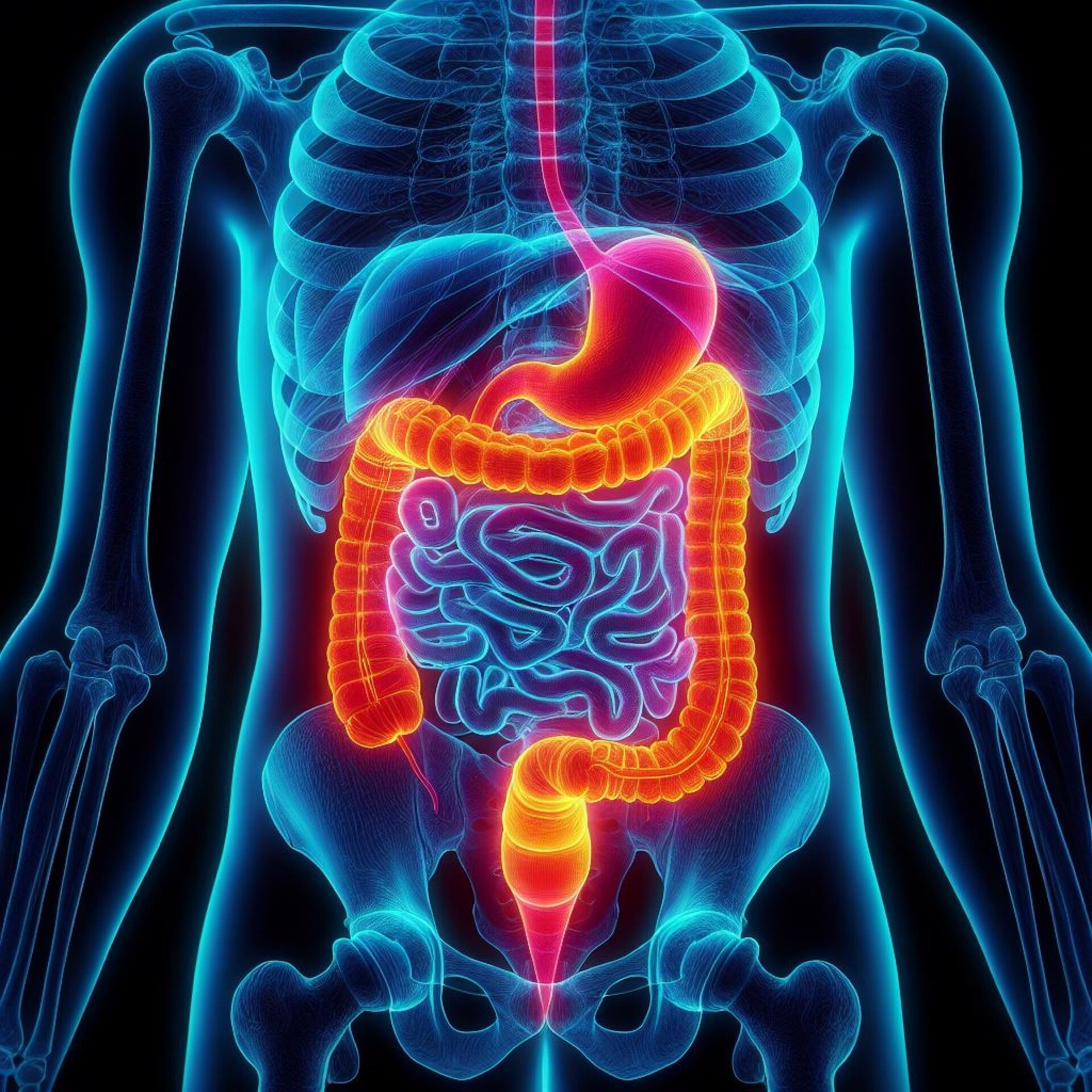
Did you know that gastrointestinal cancers account for one in four cancer cases globally? This shocking statistic sheds light on the urgent need for innovative treatments. Recent research has uncovered critical connections between our nervous system gastrointestinal tumors, revealing how nerve activity may influence these cancer pathologies. By understanding these relationships better, we may unlock new therapeutic avenues using existing treatments while improving patient care.
Nervous System Influence on Gastrointestinal Tumors
The recent findings from La Trobe University and Olivia Newton-John Cancer Research Institute have revealed that certain components of the nervous system play a pivotal role in the growth of gastrointestinal tumors. Specifically, neuropeptides such as CGRP (Calcitonin Gene-Related Peptide) and its receptor RAMP1 have been found to drive tumor growth in colorectal and stomach cancers. This breakthrough is significant because it points to a potential repurposing of migraine therapies that already target these compounds.
In a stunning discovery, researchers confirmed that not only are nerve fibers containing CGRP found inside tumors, but the tumor cells themselves also produce CGRP. This relationship allows tumors to manipulate their microenvironment to sustain their growth effectively. As Dr. Pavitha Parathan, the lead author, remarked, “This is a druggable nerve–tumor pathway with existing therapies that are already well tolerated in other diseases.”
Potential Treatments from Existing Therapies
The implications of this research are profound. With nervous system gastrointestinal tumors being associated with significant mortality rates, the ability to repurpose already approved drugs could save time and resources in the clinical setting. The researchers utilized advanced genetic engineering techniques to eliminate the RAMP1 receptor in tumor cells, leading to a marked reduction in tumor growth. This indicates that targeting this pathway could be a strategy for future therapies.
This area of research taps into a relatively novel domain connecting neurology and oncology. It raises the prospect of integrating CGRP inhibitors, well known from migraine treatments, into clinical trials focusing on colorectal cancer therapies. As Dr. Lisa Mielke suggests, “We are looking at existing migraine therapies that inhibit CGRP to repurpose these drugs as cancer treatments. Our goal is to provide treatments that not only work effectively but also reduce the burden on the patient.”
Understanding the Scope of Gastrointestinal Cancers
Globally, gastrointestinal cancers, including colorectal and stomach cancers, contribute to over 4.8 million cancer cases annually and account for 3.4 million deaths. This dire statistics underscores the need for novel treatment methods, especially those that harness our understanding of the nervous system gastrointestinal tumors. With an increasing awareness on how the neuropeptide production and receptor signaling contribute to the complexity of cancer, researchers and healthcare professionals can begin to forge new pathways in treatment.
The findings also reflect a broader understanding of how interconnected various bodily systems are, particularly the innate functions of the nervous system and their influence on tumor biology. This comprehensive approach will pave the way for more personalized and effective medical interventions.
Exploring Future Directions in Treatment
The exciting prospects of integrating neurological insights into cancer treatment cannot be overstated. As research progresses, the potential to utilize existing medications presents an appealing alternative to traditional cancer therapies. Additionally, understanding the intricate relationship between the nervous system and tumor growth may lead to breakthroughs not only in gastrointestinal cancers but also across various cancer paradigms.
Similar to strategies discussed in our analysis of cancer cells and gene editing, combining these insights could revolutionize how we approach treatment methodologies. The continued exploration of these pathways will surely lead to advancements that positively impact patient outcomes.
The Role of the Gut Microbiome
It is also critical to consider the gut microbiome, increasingly recognized as crucial for overall health and often referred to as the “second brain.” Our understanding of gut health extends beyond digestion to play a vital role in influencing diseases, including cancer. Similar to the findings in gut health and wellness, maintaining a healthy microbiome can potentially influence the nervous system’s role in tumor growth.
As we continue to unravel these complexities, the interdependent nature of our bodily systems becomes increasingly clear. Dysfunctions within the gut microbiome might not only lead to gastrointestinal disorders but also aid in the progression of tumors, indicating potential collaborative therapeutic targets involving both microbiome maintenance and nervous system modulation.
What Lies Ahead
The ongoing research into how the nervous system interacts with gastrointestinal tumors opens numerous avenues for better cancer treatments. By revisiting established therapies, we may find a path to more effective and less burdensome treatment options for patients facing the dire consequences of gastrointestinal cancers.
As we focus on nervous system gastrointestinal tumors and their implications for cancer therapies, it’s crucial that our medical community harnesses these findings to improve patient health outcomes, ultimately changing the cancer treatment landscape forever.
To deepen this topic, check our detailed analyses on Medical Innovations section