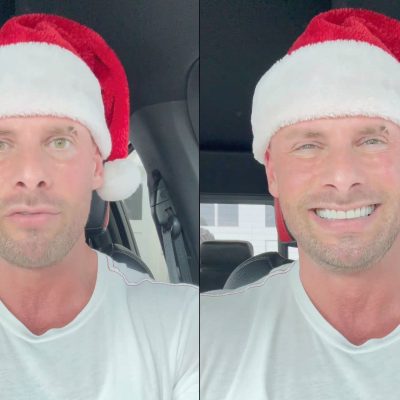
In the realm of online streaming, the issues surrounding Mizkif sexual harassment have sparked considerable outrage and discussion among fans and fellow creators alike. Recently, Twitch streamer Novaruu has come forward with serious allegations against Mizkif, real name Matthew Rinaudo. On October 27, 2025, she accused him of a pattern of abuse, stating that he exploited her private situation as content for his audience. This shocking revelation adds another layer to the ongoing discourse surrounding accountability in the streaming industry, highlighting the significant impact of online behavior on individuals’ lives. In this article, we’ll explore the allegations, the reactions, and what this means for the gaming community.
Understanding the Allegations of Mizkif Sexual Harassment
Novaruu’s story began in 2019, when a fellow streamer she had briefly dated leaked private messages between them. During a stream, Mizkif chose to use this incident humorously, mocking Novaruu in front of an audience of tens of thousands. She claims that his comments included not just mockery but also direct references to adult work she had previously engaged in at a young age. This deliberate act of ridiculing her situation was not just harmful; it set off a wave of harassment from his fans that lasted for months. As her audience grew, so did the backlash against her, which she described as deeply traumatizing.
- The implications of Mizkif’s actions extend beyond a single incident, raising concerns about the overall culture within the streaming community.
- Many wonder how platforms like Twitch handle such allegations and protect victims from further harassment.
This situation serves as a crucial reminder of the power dynamics at play in online communities and the responsibilities that come with a large audience.
The Community’s Reaction and Ongoing Conversations
As news of these allegations spread, reactions have been mixed. Many within the community have expressed their outrage at Mizkif’s behavior, emphasizing a need for greater accountability among streamers. They argue that similar to the discussions around Valkyrae’s recent controversies, these situations must not be ignored. The conversation around Mizkif sexual harassment reflects a growing awareness and refusal to accept abusive behavior as merely part of the entertainment landscape.
Novaruu emphasized that staying silent only protects abusers, a sentiment echoed by many in the community who understand the deep psychological impact of such harassment. The situation raises critical questions about the responsibility of content creators to support their peers and address harmful behavior. As discussions evolve, we must consider the long-term implications for Mizkif and others in similar positions.
Patterns of Abuse in the Streaming Community
Novaruu’s assertion that Mizkif exhibits a pattern of abuse opens a larger dialogue about the prevalence of similar accusations in the gaming industry. This is not an isolated incident; numerous creators and fans have shared stories that echo her experience. For instance, the relationships and controversies involving streamers like Valkyrae and Hasanabi also provoke thoughts on how issues of consent and respect are addressed.
- Many followers of the community are now advocating for better content creator standards that prioritize respect and ethical interaction.
- Recent discussions involving creators such as Ethan Klein regarding these dynamics further illuminate the need for change.
As we delve deeper into these conversations, it’s critical to highlight both the victims’ experiences and the need for systemic change within the gaming and streaming culture.
The Importance of Support and Accountability
Victims like Novaruu need support from their communities. As content creators, influencers bear the responsibility of setting positive examples. The fallout from incidents like Mizkif sexual harassment can deter individuals from pursuing their passions if they fear harassment or retaliation. It’s vital for platforms to take concrete steps in addressing these issues both through policy changes and community outreach.
Mizkif’s actions, as described, not only harmed Novaruu personally but also reflect a wider culture of disregard for boundaries. For many within the Twitch community, the choice to speak up against such behavior is becoming increasingly important. Activists and advocates for change argue that preventing harassment should not only be about punitive measures but also about fostering an inclusive environment.
Looking Forward: The Path to Change
The situation surrounding Mizkif sexual harassment demonstrates the necessity for continuous dialogue regarding behavior in the gaming community. Moving forward, it is crucial for creators and their audiences to hold each other accountable. Whether through direct action, community support, or requiring platforms to implement stricter policies, every step plays a role in shaping the environment in which content is created.
As we consider the future of streaming culture, it’s essential to advocate for transparency, empathy, and responsibility. Creators must be transparent about their conduct, while audiences need to support those who seek redress for past wrongs.
To deepen this topic, check our detailed analyses on Streaming & Platforms section
In conclusion, the allegations against Mizkif are a significant part of an ongoing narrative about harassment and accountability in gaming. With a growing movement advocating for change, we must continue to amplify voices like Novaruu’s and push for a safer, more respectful environment for all content creators.
For further insights into similar themes, we continue to monitor related discussions, including Ethan Klein’s assessments of streaming culture, and the reactions of others in the industry. Together, we can work towards a more inclusive and respectful streaming community.