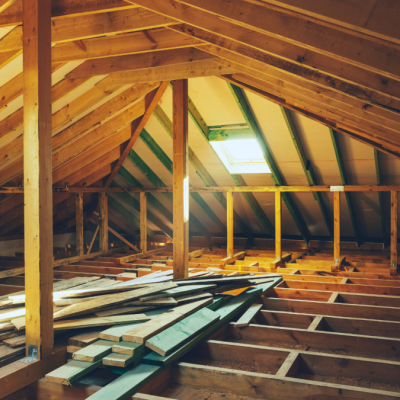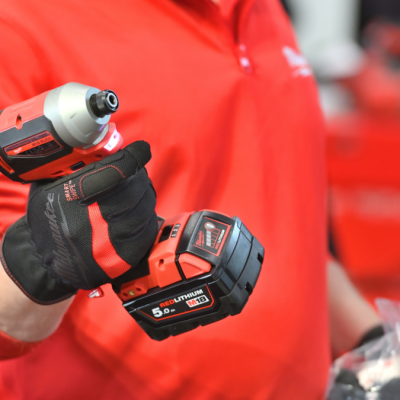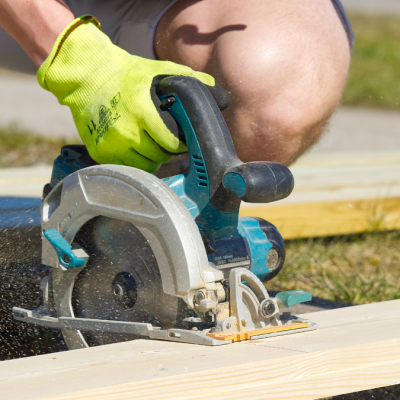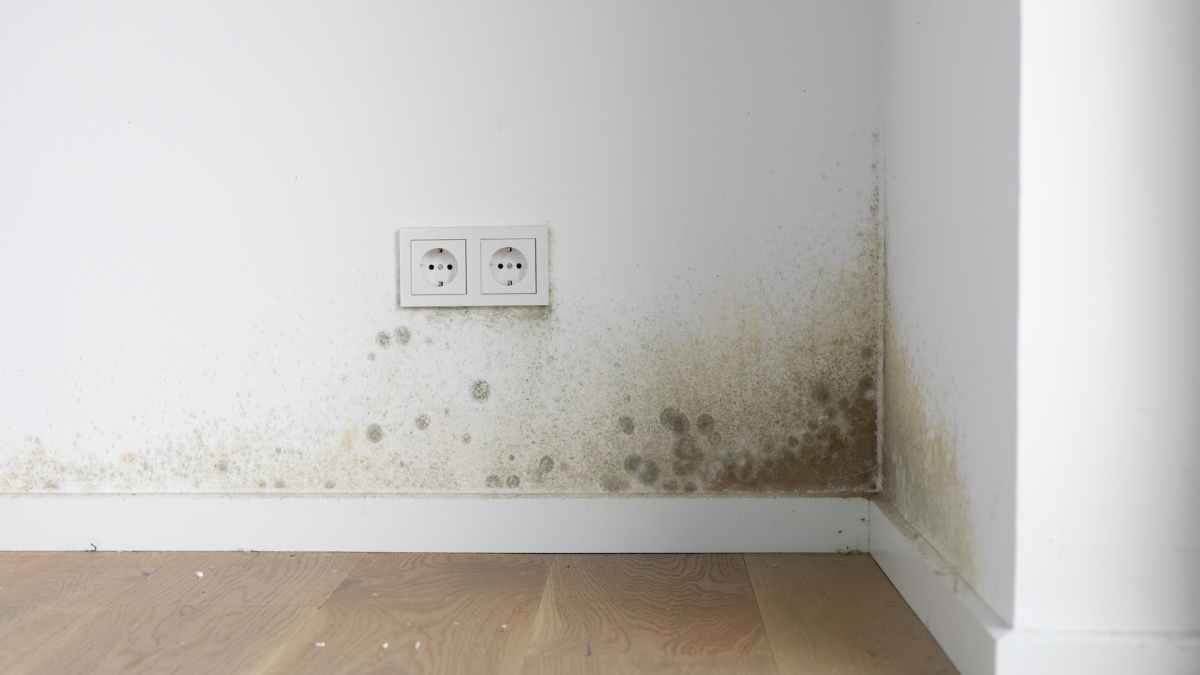
Did you know that nearly 50% of homes experience mold problems at some point? This surprising statistic highlights the hidden dangers of home renovation mold, especially when homeowners embark on renovation projects. Renovating your home is an exciting endeavor, filled with the promise of a refreshed living space. However, it also introduces potential risks, particularly when it comes to mold growth. Understanding how renovations can inadvertently lead to mold is crucial, as it allows homeowners to take preventative measures to protect their investments. In this article, we will explore the various ways that renovations can foster mold growth and provide actionable solutions to keep your home safe.
How Inadequate Ventilation Affects Home Renovation Mold
When renovating older homes, one common mistake is to make the house too airtight. Older homes are often “leaky,” with gaps that allow air to flow in and out, which can help with air circulation. However, when homeowners try to seal these leaks to improve energy efficiency, they can inadvertently trap moisture inside. Without proper ventilation, this moisture creates the perfect environment for home renovation mold to thrive.
Renovated bathrooms are especially vulnerable since they already harbor higher humidity levels. Ensuring that ventilation fans are of the right capacity and are run adequately after showers is essential. These fans not only remove moisture but also prevent dampness from settling on walls or ceilings, which can lead to mold growth if left unchecked.
Water Intrusion: A Hidden Threat
During extensive renovations, certain areas may be left exposed to the elements, increasing the chance of water intrusion. This is not unusual, especially when windows or roofs are temporarily removed. While it is essential to dry these areas thoroughly before sealing them back up, many contractors may overlook this step. Even a small amount of moisture trapped in the walls or floors can lead to the development of home renovation mold weeks or months later.
Ensure that contractors take adequate steps to dry any exposed areas, using dehumidifiers or fans as necessary. Any signs of moisture should be addressed immediately to prevent mold growth before the renovation project is completed.
Dealing with Damp Spots
Accidents during renovations—such as plumbing leaks or spills—can create damp spots on walls, ceilings, and floors. While it may seem harmless, these damp areas require immediate attention. Simply applying primer over a damp spot does not fix the underlying moisture problem and can create an environment for home renovation mold to flourish.
To effectively address damp spots, homeowners must ensure that all areas are thoroughly dried out before covering them with paint or cabinetry. This prevents the trapped moisture from festering and leading to mold issues down the line.
- Inspect damp areas carefully and dry thoroughly.
- Use moisture barriers in stagnant areas to reduce humidity levels.
Assessing the Quality of Construction Materials
Homeowners often assume that new construction materials are free from mold, but this is not always the case. Lumber and drywall that have been left outdoors or improperly stored may come with moisture content that can lead to mold. Using materials with high moisture levels in renovations can create a breeding ground for mold once they are sealed away behind walls.
Before installation, it’s vital to visually inspect all materials and consider using a pinless moisture meter to ensure they have an appropriate moisture level. Ideally, wood should have a moisture reading of around 6-8%, while drywall should read at 0.5% or less.
HVAC Disruptions and Their Role in Home Renovation Mold
Another often overlooked factor is how renovations can disturb HVAC systems. During a project, ducts might be moved, registers temporarily removed, or systems displaced, which can lead to the release of mold spores that were previously undetected in the ducts. If these spores are then circulated to damp areas of the home, they can take hold and grow.
To mitigate this risk, a thorough cleaning of HVAC systems should be part of your renovation plan, even if these systems weren’t directly impacted. Proper maintenance will help prevent the dissemination of mold spores throughout your home.
- Have your HVAC system cleaned regularly, especially after renovations.
- Check air filters for signs of mold and replace them as needed.
Conclusion: Preventing Home Renovation Mold
In summary, while home renovations can significantly enhance the look and functionality of your space, they also pose a risk for home renovation mold if not managed properly. By paying attention to ventilation, water intrusion, damp spots, the quality of materials, and HVAC systems, you can protect your home from potential mold issues. Renovating wisely involves being proactive about moisture control and understanding each step of the process to ensure a safe living environment for you and your family.
To deepen this topic, check our detailed analyses on Life Hacks & Productivity section.