Understanding the concept of hippocampal hyper-maturity can be a game-changer in the field of neuroscience. Surprising research has shed light on how this condition connects stress and anxiety with accelerated aging. Recent studies show that this abnormality can lead to significant implications for mental health. The findings promise to change the way we perceive the relationship between emotional states and cognitive functions. Here, we delve into what hippocampal hyper-maturity really means and how it can influence our understanding of psychiatric disorders.
Hippocampal Hyper-Maturity: The New Frontier in Mental Health
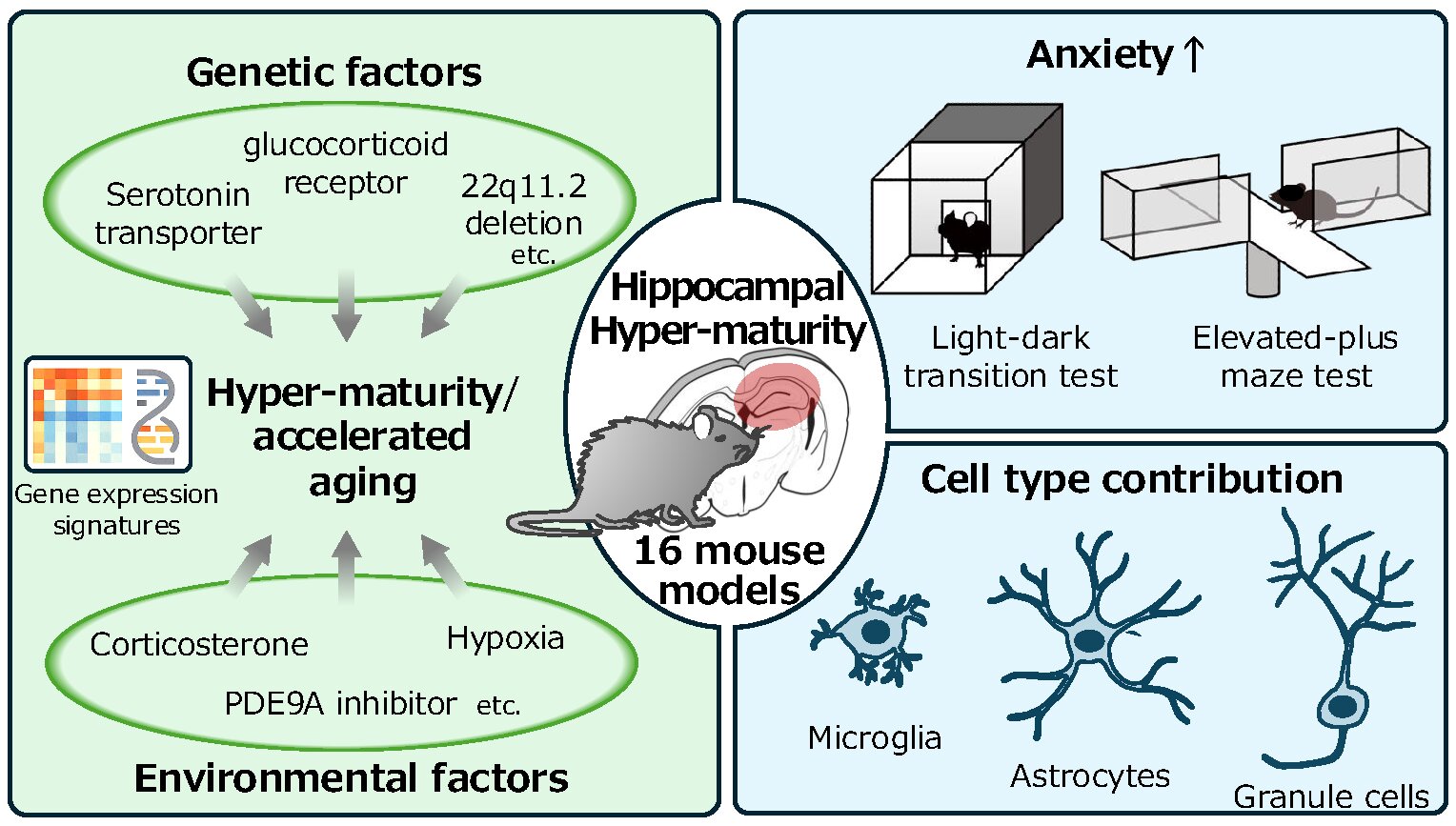
Hippocampal hyper-maturity is characterized by excessive and premature cellular development in the hippocampus, a region critical for memory and emotional regulation. Research from Fujita Health University and the Tokyo Metropolitan Institute of Medical Science reveals that this condition may be a result of stress, leading to increased anxiety-like behaviors in animal models. The implications of these findings extend beyond mere observation; they could redefine treatment strategies for anxiety disorders.
- This research offers significant insights into the potential molecular mechanisms underlying anxiety.
- Understanding hippocampal hyper-maturity could lead to novel psychiatric therapies.
While previously, much of the focus was on neuronal immaturity in neuropsychiatric conditions, this new perspective emphasizes that excessive development can also drastically shape emotional behavior. Dr. Tsuyoshi Miyakawa, a lead researcher, pointed out that some models demonstrate gene expression profiles indicating an advanced state of development, leading to increased anxiety.
The Genetic Basis of Hippocampal Hyper-Maturity
Delving deeper into the genetic factors, the studies show that genes contributing to hippocampal hyper-maturity have a significant role in synaptic processes. Genes such as Camk2a and Grin2b are consistently upregulated across various models. This gene activity suggests a direct link to the anxiety-like behaviors exhibited in these subjects. Understanding these molecular pathways offers vital clues into how stress can enhance the pace of brain maturation.
The researchers developed a “maturity index,” assessing gene expression patterns to quantify cellular maturation. A clear correlation emerged: as hipocampal hyper-maturity increased, so did anxiety-like behaviors. Chronic exposure to corticosterone, a stress hormone, intensified these effects, further linking stress with accelerated maturation and anxiety.
Comparative Analysis: Hyper-Maturity Versus Aging
The study also raises interesting questions about the similarity between the states of hyper-maturity and natural aging. Through detailed analysis, the researchers pointed out that postnatal development and aging are continuous processes and that hyper-maturity represents an accelerated form of this trajectory. They divided their findings into enhanced postnatal development and accelerated aging models. Each exhibited unique gene expression patterns that resonate with broader implications for mental health.
- Enhanced postnatal development models include serotonin transporter knockout mice.
- Accelerated aging is observed in corticosterone-treated mice, mirroring human conditions impacted by chronic stress.
This differentiation provides an opportunity to rethink therapeutic approaches. If hyper-maturity can be regulated, it could pave the way for enhancing emotional health and potentially serve as a target for new treatments.
Translational Relevance for Human Mental Health
Insights from rodent models create pathways to understanding similar mechanisms in humans. The research team found overlaps in hippocampal transcriptomes with conditions like depression and bipolar disorder, suggesting that hippocampal hyper-maturity might reflect a shared molecular signature across various psychiatric disorders. This transdiagnostic relevance opens discussions on new therapeutic avenues.
Furthermore, there is evidence to support the premise that psychological stress can hasten biological aging. Recognizing this could influence how clinicians approach treatment for anxiety and related disorders, as understanding synaptic gene expression could lead to advances in personalized therapy.
The Future: Implications and Innovations
As the field evolves, the exploration of hippocampal hyper-maturity can lead us to significant breakthroughs. While the researchers admit a lack of understanding regarding the precise molecular mechanisms driving hyper-maturity, there is potential for rejuvenation strategies. Addressing the dysregulation of hippocampal maturation may open doors to treatments that counteract both psychiatric conditions and the effects of aging.
This research emphasizes that brain development and aging are dynamic processes; understanding how to modulate these could lead to groundbreaking innovations in mental health and aging treatments.
For further reading on related topics, explore strategies to enhance gut health with condiments that boost wellness here, or understand how exercise can bolster your immune system here.
To deepen this topic, check our detailed analyses on Medical Innovations section