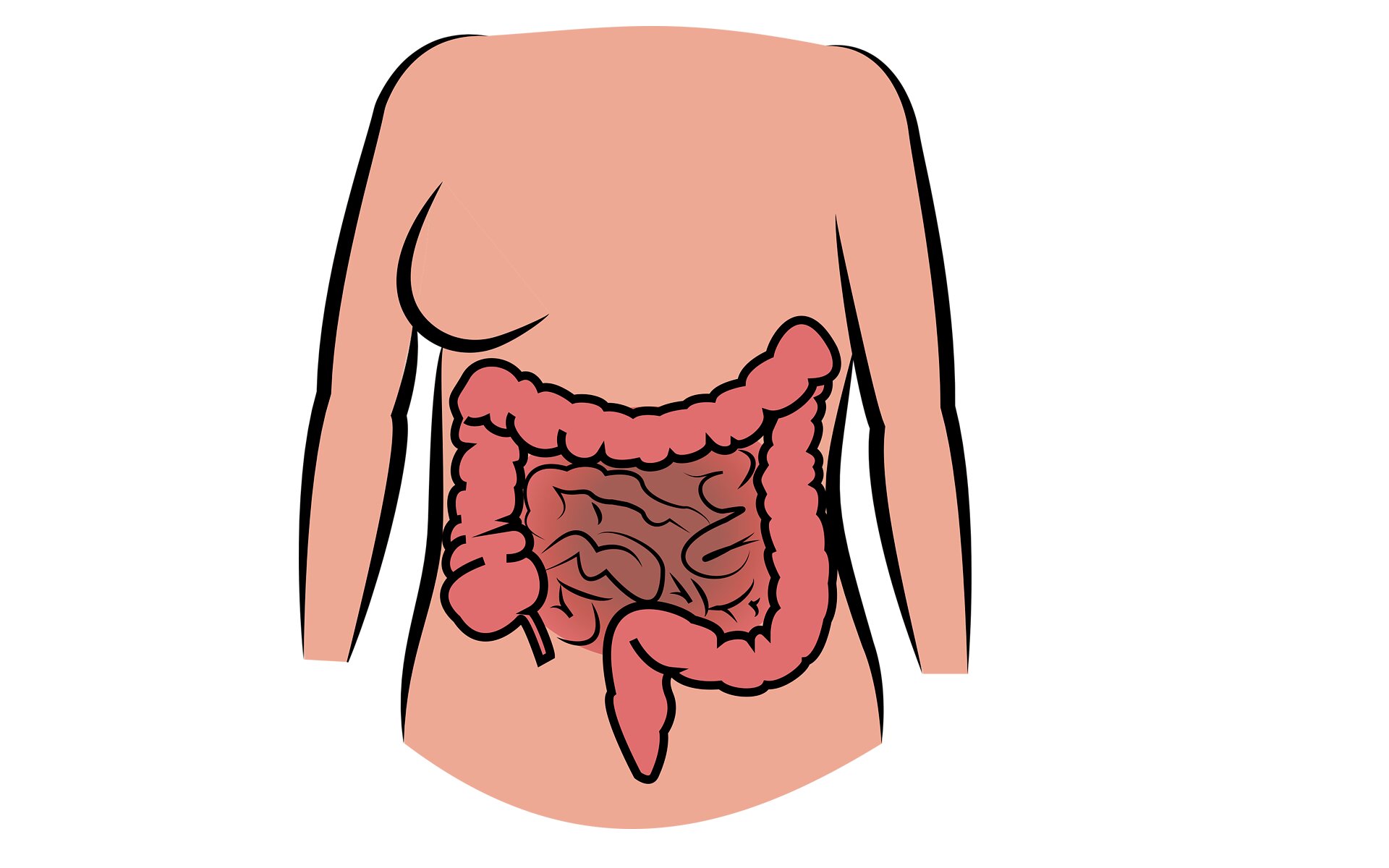
Digestive discomfort, such as bloating after a heavy meal or occasional bouts of indigestion, can significantly impact our daily lives. While modern medicine offers effective treatments, there is a growing interest in natural ways to support gut health. Many people are exploring herbs for digestion as a gentle and effective remedy. For centuries, herbs and spices have been used in traditional medicine for their digestive benefits, and modern science is beginning to validate these age-old remedies. This article delves into five remarkable herbs and spices linked to improved digestion, showcasing their benefits and the science behind their effectiveness.
1. Peppermint: A Soothing Digestive Ally
Peppermint (Mentha piperita) stands out as one of the most recognized herbs for digestion. The active compound menthol relaxes gut muscles, helping to alleviate bloating, gas, and abdominal pain. Additionally, peppermint may decrease pain sensitivity, fight harmful bacteria, and calm inflammation. Clinical trials demonstrate that peppermint oil capsules can successfully relieve irritable bowel syndrome (IBS) symptoms. However, individuals with acid reflux should approach peppermint cautiously, as it may relax the lower esophageal sphincter—the muscle that prevents stomach acid from flowing back into the throat, potentially leading to heartburn. For a gentler option, peppermint tea can provide similar digestive benefits.
2. Chamomile: Nature’s Calming Influencer
Another popular addition to the list of herbs for digestion is chamomile (Matricaria chamomilla). Known for its calming properties, chamomile not only serves relaxational purposes but also effectively soothes the digestive system. Chamomile tea is one of the most widely consumed herbal beverages, with about a million cups enjoyed daily. Traditionally, it has been used to mitigate indigestion, gas, and stomach upset. Though much of the evidence is rooted in tradition, some studies indicate that chamomile extract can aid in reducing stomach ulcers due to its antioxidant capacities. Furthermore, research has shown that infants given chamomile-based tea experienced relief from colic more frequently than those who received a placebo.
3. Carom Seeds: The Hidden Gem of Ayurveda
Carom seeds (Trachyspermum ammi), known as ajwain, are staples in Indian cuisine and Ayurvedic medicine. Esteemed for centuries, they are believed to alleviate gas and bloating effectively. The compound thymol present in carom seeds stimulates the stomach to produce greater amounts of acid—up to four times more in some cases. Animal studies confirm that carom seeds can enhance the speed of food moving through the digestive tract and increase digestive enzyme activity, thereby boosting bile secretion, which aids in fat breakdown. While human research is limited, carom seeds have a longstanding reputation for safety in culinary uses. However, pregnant or breastfeeding women should avoid high doses due to potential miscarriage risks.
4. Fennel: A Culinary Digestive Booster
Fennel (Foeniculum vulgare) is frequently chewed after meals in various cultures to help with digestion and freshen breath. The seeds are rich in insoluble fiber, which is critical for preventing gas buildup and bloating. The NHS suggests that individuals consume about 30g of fiber daily for optimal health. Anethole, the primary compound in fennel, has been shown to relax gut muscles—an effect substantiated by laboratory studies. Additionally, small trials involving IBS patients have demonstrated that fennel can reduce cramp-like abdominal pain due to its muscle-relaxing properties. Fennel water, often mixed with sodium bicarbonate to create gripe water, has traditionally served to relieve infant gas problems. Fennel has a long history of safe use, further supporting its role in digestive care.
5. Cumin: An Ancient Solution for Modern Digestive Woes
Lastly, cumin (Cuminum cyminum) brings an equally rich history of aiding digestive health. Research indicates that cumin enhances digestive enzyme activity, which accelerates food breakdown. It also stimulates the release of bile from the liver, facilitating fat digestion and nutrient absorption. A study involving rats revealed that cumin could reduce the time food spent in the digestive system by approximately 25%, likely due to its effects on enzymes and bile. A clinical trial featuring 57 IBS patients found that concentrated cumin notably alleviated symptoms within just two weeks.
While herbs and spices should not substitute for medical treatment, they can complement a balanced diet and offer gentle support for everyday digestive challenges. Most individuals can safely cook with these herbs, but those with underlying health conditions or who are taking medications should consult their healthcare providers first. For many, a comforting cup of chamomile tea or a sprinkle of cumin might be a straightforward—yet flavorful—step toward enhanced digestive health.
To deepen this topic, check our detailed analyses on Medical Innovations section