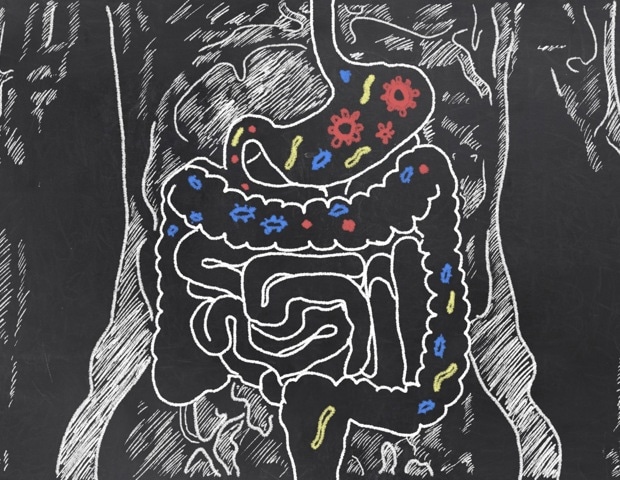
Many people are surprised to hear that the gut microbiome autism connection has been challenged significantly in recent years. In fact, a recent study published by a team of scientists in the journal Neuron indicates that there is no strong scientific evidence to support the idea that the gut microbiome contributes to autism. Despite numerous discussions and media portrayals suggesting otherwise, researchers argue that various studies backing this hypothesis are often flawed. This leads us to question the validity of the gut microbiome’s role in autism and encourages a rethinking of how we approach this relationship. This article dives into the complexities surrounding the gut microbiome and its alleged connection to autism, providing critical insights and surprising revelations for those interested.
The Gut Microbiome and Autism: What’s the Reality?
The idea that the gut microbiome autism connection exists arose primarily due to the gastrointestinal issues commonly observed in individuals diagnosed with autism. Many researchers pursued the hypothesis by comparing the microbiomes of people with autism to those without, yet the outcomes of these studies have been inconsistent and unconvincing. For instance, many studies utilized sample sizes that were remarkably small—ranging from a mere 7 to 43 individuals—which is insufficient for drawing meaningful conclusions in the field of genetics or microbiome research.
As detailed in recent findings, researchers emphasize that statistical flaws and inadequate methodologies undermine the credibility of these studies. The inconsistencies in findings, such as conflicting data regarding microbial diversity, raise further questions about the validity of earlier studies showcasing a link between the gut microbiome and autism. Thus, the notion that the gut microbiome causes autism requires a more rigorous examination and a critical reevaluation of existing claims.
The Role of Genetics in Autism
It is vital to note that autism is primarily understood as a genetic condition. Numerous studies have established a strong genetic basis for autism traits, categorizing them far more distinctly than those attributed to environmental factors, including gut microbiome variations. According to researchers, the rising rates of autism diagnoses are more reflective of increased awareness and broader diagnostic criteria than a direct link to environmental triggers, including microbiome alterations.
The relevance of the gut microbiome in conversations about autism may exist, but it often mirrors related findings around conditions such as insomnia, as explored in some studies about gut health and sleep disturbances. However, attributing causality solely to the gut microbiome in the context of autism appears to lack sufficient evidence at this time.
Flawed Research and the Need for Rigorous Studies
As researchers continue to investigate the relationship between gut health and autism, it’s clear that many of the methodologies used have significant shortcomings. For instance, divergent methods for assessing microbiome composition and inadequate sample sizes were central flaws noted in the studies under review. Such inconsistencies have led researchers like Kevin Mitchell from Trinity College Dublin to assert that substantial funding and time have been wasted pursuing lineages of research that yield minimal results.
This push for more comprehensive research aligns with recent findings on changes in the gut microbiome due to medication. As researchers advocate for more rigorous methodologies going forward, it becomes increasingly clear that simply reinforcing existing hypotheses without thorough scrutiny will not advance our understanding of autism.
Insights from Clinical Trials
Another crucial area of study has concentrated on clinical trials testing the microbiome-autism hypothesis, encompassing methods such as fecal transplants and probiotic therapies aimed at individuals diagnosed with autism. Unfortunately, the vast majority of these trials inadequately measured outcomes and often lacked control groups or randomization, leading to unreliable conclusions. As highlighted in findings concerning the efficacy of supplements and dietary adjustments, it is crucial to approach clinical trials with rigorous standards to ensure meaningful and actionable data.
The Path Forward in Autism Research
Given the existing evidence—or lack thereof—researchers argue that the gut microbiome-autism hypothesis may have reached a critical dead end. As Dr. Dorothy Bishop points out, if researchers accept this premise, they are left with two options: either halt research on the microbiome’s impact on autism or evolve to adopt a far more disciplined approach in conducting studies.
While decreasing public interest in this specific hypothesis might offer fresh directions for research funds, advancements in understanding autism will need to focus on more pressing genomic and behavioral inquiries. Therefore, the call for enhanced methodologies serves as a pivotal moment for not only dispelling myths surrounding the gut microbiome autism connection but also bolstering the integrity of scientific research in autism as a whole.
To deepen this topic, check our detailed analyses on Nutrition & Diet section