Recent advancements in cybersecurity have unveiled alarming trends, especially regarding the use of artificial intelligence in cybercrime. A fascinating yet concerning discovery has been made concerning GPT-4 malware. Researchers have identified a new type of malware, codenamed MalTerminal, which utilizes the capabilities of the GPT-4 language model to generate ransomware and facilitate reverse shells. This revelation indicates a significant escalation in the sophistication of malicious software, demonstrating how AI tools, once used for beneficial purposes, are now being weaponized by cybercriminals.
Understanding GPT-4 Malware
The journey into the world of GPT-4 malware begins with the recognition that artificial intelligence is not exclusively a force for good. The discoveries made by the SentinelOne SentinelLABS team at the LABScon 2025 security conference highlighted a crucial fact: that AI models, particularly Large Language Models (LLMs), are being strategically employed by cyber adversaries. The MalTerminal demonstration serves as a prime example of LLM-embedded malware. This innovative yet threatening malware, using OpenAI’s GPT-4, is capable of dynamically generating code for ransomware or establishing reverse shell connections, suggesting an unprecedented form of adversary tradecraft.
As we explore the implications of GPT-4 malware, we recognize that threats are evolving. The increase in capability for real-time, AI-generated malicious logic underscores a new era of cybersecurity challenges that defenders must confront. The tools that were once considered beneficial are now being utilized to design attacks that are both efficient and intricate.
Example of MalTerminal in Action
MalTerminal is not only a theoretical construct; it features operational components that make it a tangible threat. According to researchers Alex Delamotte and Vitaly Kamluk, the executable files of MalTerminal allow users to toggle between deploying ransomware or a reverse shell. This aspect of GPT-4 malware presents unique challenges in identifying its presence on infected systems. The designs of malicious software are becoming increasingly user-friendly for attackers, leading to the potential exploitation of ordinary users.
Interestingly, MalTerminal also includes Python scripts designed to assist users in the execution of the malware’s operations. Such incorporation not only increases the accessibility of cyber attacks to less skillful perpetrators but also represents a shift in how malware is structured, bringing with it new risk vectors that organizations must address.
Impacts on Phishing and Social Engineering
The emergence of GPT-4 malware is occurring alongside new techniques in phishing attacks. Researchers from StrongestLayer have recently discovered that threat actors are embedding hidden prompts within phishing emails, which confound AI-driven security scanners. These hidden directives seamlessly blend into the code of the email but can trigger significant security breaches when activated. The ingeniousness of such tactics signals that cybercriminals are becoming highly adept at maneuvering through existing defenses.
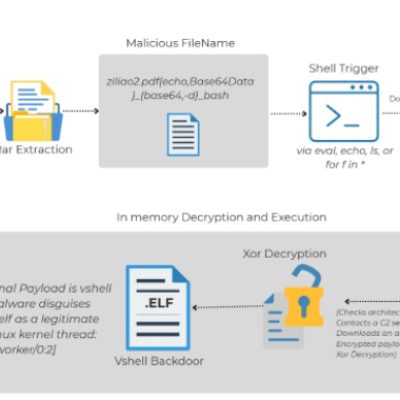
Hidden within these emails are elements designed to exploit known vulnerabilities. For instance, malefactors have been employing the infamous Follina vulnerability (CVE-2022-30190) to deploy malicious payloads. This level of sophistication means that even seasoned cybersecurity professionals must remain vigilant due to the evolving nature of threats. The combination of traditional phishing techniques with AI-driven tactics exemplifies the potential for devastating impacts on corporate and personal cybersecurity.
Notable Trends in Cybercrime
The increasing use of GPT-4 malware represents just one facet of a broader evolution in cybercrime. Reports indicate that the adoption of generative AI technologies is providing fertile ground for various forms of cyber exploitation, including the development of AI-hosted phishing sites. Since early 2025, a rise in social engineering campaigns utilizing AI tools like Lovable and Netlify has been recorded, with criminals leveraging these platforms for fraudulent activities.
- The ease of deploying robust phishing sites.
- The ability to craft sophisticated lures that evade detection.
As organizations adjust to these trends, they must consider the implications of GPT-4 malware alongside other vulnerabilities and tactics discussed in threat intelligence reports. Networks need robust measures to defend against both traditional and novel cyber threats to mitigate risks that arise from these evolving methodologies.
Conclusion: Staying Ahead of the Malware Curve
The emergence of GPT-4 malware serves as a wake-up call for individuals and organizations alike. To combat the rising tide of sophisticated attacks, professionals in the cybersecurity landscape must stay informed and adaptable. By understanding the capabilities and methodologies that underpin AI-embedded malware, teams can enhance their defensive strategies.
To deepen this topic, check our detailed analyses on Cybersecurity section.