High cholesterol is a health challenge that affects approximately 10% of U.S. adults. It’s a condition that can significantly increase the risk of heart disease and stroke, making dietary changes essential for managing your health. Incorporating frozen vegetables into your meals is an effective way to lower cholesterol levels naturally. Frozen vegetables cholesterol benefits from high fiber content and nutrients, making them an excellent choice for heart health. These nutrient-rich options not only help reduce cholesterol but also save you time and money. Here’s a look at the best frozen vegetables you should consider stocking in your freezer.
1. The Power of Edamame for Cholesterol Health
Edamame, or young soybeans, is a fantastic frozen vegetable that plays a critical role in lowering cholesterol. This nutrient powerhouse is packed with soluble fiber, which supports heart health. A cup of frozen edamame provides about 8 grams of fiber and 18 grams of plant-based protein. According to registered dietitian Stephanie Dunne, M.S., RDN, IFNCP, soluble fiber binds to bile in the digestive tract, helping to transport cholesterol out of the body. This process encourages the liver to use existing cholesterol to create new bile, thereby lowering overall blood cholesterol levels.
Moreover, edamame contains isoflavones, natural compounds in soy that can help further reduce cholesterol levels. Keep a bag of frozen edamame handy to add to salads, stir-fries, or soups for an easy and nutritious boost.
2. Green Peas: Small But Mighty
Frozen green peas offer an impressive 7 grams of cholesterol-lowering fiber per cup. Plant-based proteins like those found in peas support lower cholesterol levels by providing a healthier alternative to animal proteins, which often have higher saturated fat content. Dietitian Patricia Kolesa, M.S., RDN suggests replacing animal protein with green peas in dishes like casseroles and stir-fries to assist in lowering saturated fat intake, which is correlated with high LDL cholesterol levels.
Toss green peas into your pasta, soups, or as a simple side dish to reap their heart-healthy benefits.
3. Spinach: Leafy Greens for Heart Health
Another frozen favorite is spinach, known for its high fiber content and a multitude of vitamins and antioxidants. According to dietitian Daria Zajac, RD, LDN, spinach is not only high in insoluble fiber but also contains nutrients that can help reduce LDL cholesterol levels. Spinach is packed with vitamins and minerals, including calcium and vitamin C, and even has antioxidant properties that contribute to overall heart health.
Add frozen spinach to your morning smoothie, omelets, or soups for a nutritious boost that benefits your heart.
4. Cauliflower: Versatile and Nutritious
Don’t overlook cauliflower when stocking your freezer. Each cup of frozen cauliflower provides around 3 grams of fiber while being low in saturated fat. Registered dietitian Heidi McIndoo, M.S., RD recommends roasting it with some olive oil or pureeing it for cream-based soups as a lower-fat alternative. Its flexibility allows it to be integrated into various dishes, making it a great addition to your diet for cholesterol management.
5. Broccoli: The Powerhouse Vegetable
Rich in fiber and glucosinolates, broccoli is another key player in lowering cholesterol. As noted by registered dietitian Vandana Sheth, RDN, sulforaphane, a compound unique to cruciferous vegetables, has been linked with reducing oxidative stress and inflammation—two critical factors influencing heart health. A study even found that consuming around one cup of broccoli daily improved HDL (the beneficial cholesterol) in women and reduced total cholesterol in men.
Use frozen broccoli in stir-fries, casseroles, or as a side to include this heart-healthy vegetable in your meals!
6. Brussels Sprouts: Nutrient-Dense and Flavorful
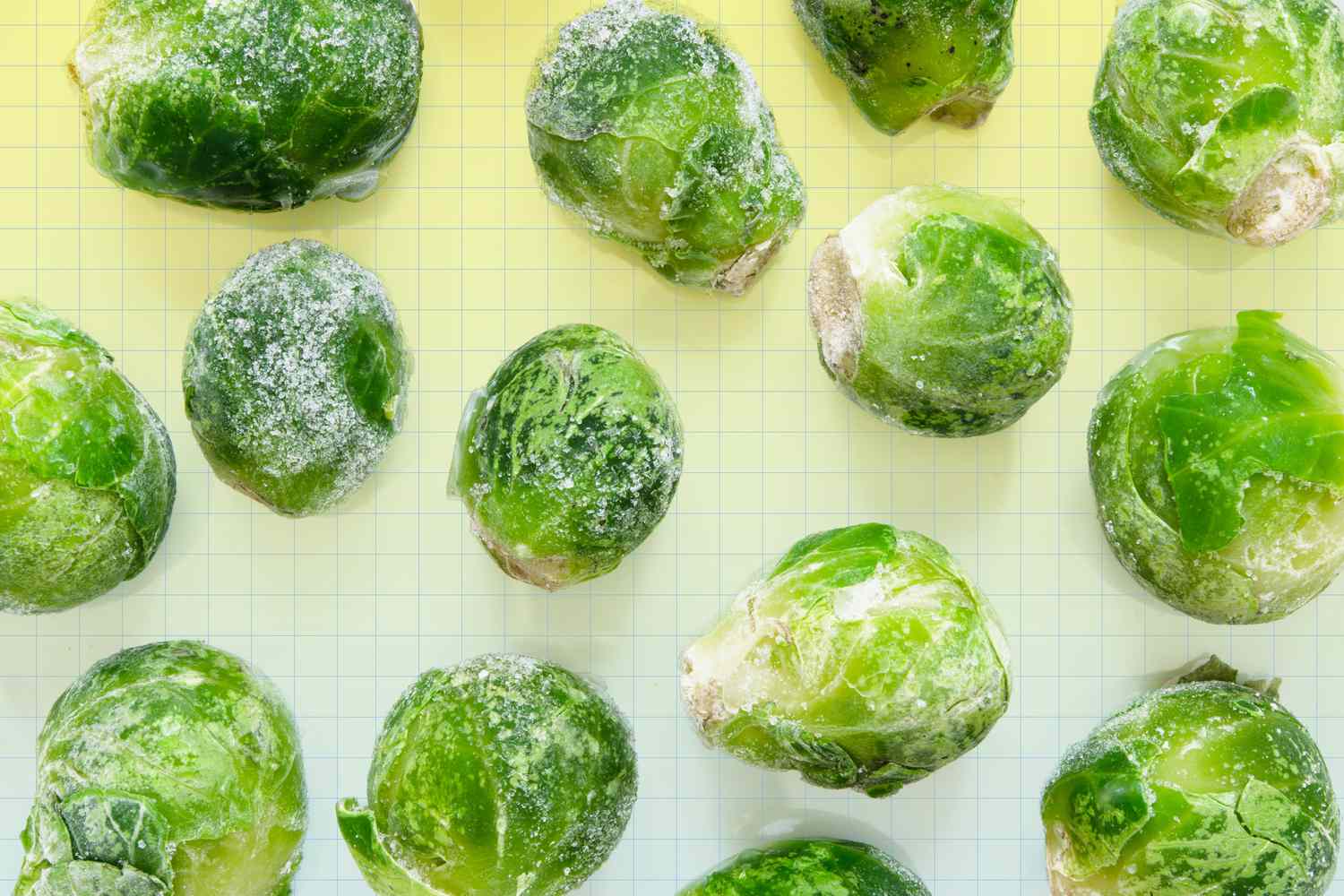
Another excellent choice is Brussels sprouts, which offer about 2 grams of soluble fiber per cup. Dietitian Vandana Sheth highlights the presence of kaempferol, known for its antioxidant and anti-inflammatory qualities that may contribute to heart health and lower cholesterol levels. Roasting Brussels sprouts brings out their delicious flavor and can encourage more consumption among those who might be hesitant to try them.
7. Mushrooms: The Unsung Heroes
Mushrooms, often overlooked, carry unique benefits for cholesterol management. Mushrooms contain beta-glucans—a type of soluble fiber that aids in lowering cholesterol levels by binding to cholesterol-rich bile acids. Lauren Manaker, M.S., RDN notes that certain varieties of mushrooms, such as shiitake and enoki, further enhance cholesterol metabolism. You can easily incorporate frozen mushrooms into various dishes, from pasta to pizzas.
Other Strategies to Lower Cholesterol
In addition to including these frozen vegetables in your diet, consider adopting other lifestyle changes to improve cholesterol levels:
- Incorporate Regular Exercise: Engage in at least 150 minutes of moderate-intensity or 75 minutes of vigorous activity per week.
- Watch Your Saturated Fat Intake: Limit foods high in saturated fats, such as red meat and full-fat dairy.
- Limit Alcohol Consumption: Moderation is key; women shouldn’t have more than one drink per day, while men should limit to two.
These combined strategies can help optimize your cholesterol levels, significantly enhancing your heart health.
To deepen this topic, check our detailed analyses on Food & Recipes section.
Incorporating frozen vegetables into your diet can play a pivotal role in managing frozen vegetables cholesterol levels effectively. From edamame to mushrooms, these vegetables not only provide essential nutrients but also naturally support heart health. Stock your freezer with these nutrient-rich options and enjoy both delicious meals and improved health.
For more insights on health and nutrition, explore our other articles, including frozen embryo’s historical impact and nut-based milk comparisons, to enhance your understanding and foster better health choices.