If you’ve ever considered renovating your kitchen, you may have experienced the infamous “sticker shock.” Traditional, fitted kitchens can be costly, averaging nearly $27,000 and reaching highs of about $140,000. However, a more budget-friendly alternative has surged in popularity—a freestanding kitchen that offers both style and flexibility without the hefty price tag.
A freestanding kitchen is not permanently attached to walls or floors, allowing for a modular and unfitted approach. This design trend is a throwback to earlier kitchen styles before the 20th century when built-in options became the norm. Thinking of revamping your space? Here are some compelling reasons to consider a freestanding kitchen for your next kitchen remodel.
Cost-Efficiency of a Freestanding Kitchen
The initial setup of a freestanding kitchen can significantly lower your remodeling costs. By starting with a basic layout, you have the flexibility to gradually enhance your kitchen. You can add essential elements like cabinets and appliances over time, particularly when they go on sale or when your budget allows. This modular approach makes it easier to mix and match different sources, allowing for unique combinations that fit your personal style and budget.
For instance, you might find some exciting kitchen appliances at a budget-friendly store, while more upscale features can come from a high-end retailer. The freedom to choose allows for great customization without overspending.
DIY-Friendly Installation
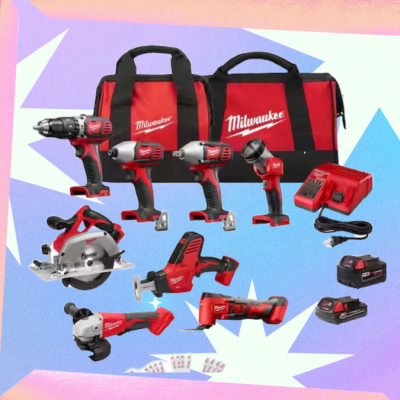
Installing a freestanding kitchen is often more straightforward than its traditional counterparts. This aspect makes it a more DIY-friendly option, saving you on costly labor expenses. Since cabinets and appliances can be installed without complicated fixtures or drapery, homeowners can reduce necessary contractor fees. If you’re comfortable with basic tools, you might handle most tasks independently.
- Reduced Installation Time: Less complex installations can lead to quicker project completion.
- Cost Savings: Save on installation costs by doing it yourself.
Flexibility and Reconfigurability
One of the standout features of a freestanding kitchen is its ability to adapt. As life changes—whether it’s more family members, remote work, or new hobbies—the kitchen can morph to suit your needs. Imagine being able to rearrange cabinets and appliances when your workflow feels off or needing to convert the space into an office. This flexibility is unmatched with traditional kitchens.
Additionally, if you find that a particular layout isn’t effective, swapping components around is straightforward, allowing you to experiment without major renovations. This means your space can continually evolve along with your lifestyle.
Ongoing Upgrades and Maintenance
Maintenance is another area where a freestanding kitchen excels. The design allows for easy cleaning since items can be moved away from walls, ensuring that no hidden grime accumulates behind your appliances and cabinets. In the event of repairs, you have quick access to all areas without the hassle of breaking down fixed installations. For instance, plumbing issues can be addressed with relative ease when cabinets are easily relocated.
Moreover, when it comes to upgrading, a freestanding kitchen offers a unique advantage. You can replace or enhance one aspect at a time, rather than tearing everything out. Want to improve your storage solutions? Swap in a new cabinet whenever you find something that fits your aesthetic while keeping costs in check.
Conclusion: Embrace the Freedom of a Freestanding Kitchen
Choosing a freestanding kitchen can transform your cooking space into a more adaptable, budget-friendly area. Not only do you save on initial costs, but the flexibility, ease of installation, and maintenance can enhance your overall kitchen experience. For additional resources on enhancing your culinary environment, don’t miss our guides on essential kitchen tools and small space hacks. Remember, the best kitchen is one that evolves with you!
To deepen this topic, check our detailed analyses on Life Hacks & Productivity section