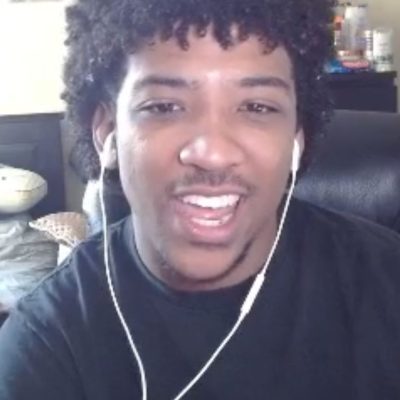
In the world of gaming and streaming, the FaZe Clan controversy has become a prominent topic of debate. Recently, Twitch streamer Rani “Stable Ronaldo” took to social media to express his frustration over the perception that FaZe Clan is homophobic, racist, and transphobic. According to Ronaldo, these labels are damaging to the organization’s reputation, and he believes the narrative surrounding it is unfair. The ongoing discourse reflects broader societal issues regarding accountability and the impact of public perception in the digital age. This article delves into the FaZe Clan controversy and explores its implications for the gaming community and beyond.
Understanding the Roots of the FaZe Clan Controversy
The situation escalated when Stable Ronaldo made a heartfelt appeal during his livestream on December 7, 2025. In a two-minute video that quickly circulated on social media, he urged fans and critics alike to halt the labeling of FaZe Clan members with terms such as homophobic and racist. He stated: “I feel like this homophobic, racist s**t, transphobe s**t put on the word FaZe Clan actually needs to stop. It ruins the image for us.” This point of view resonated with many fans who believe that the organization’s contributions to gaming culture are being overshadowed by these negative accusations.
Ronaldo’s comments beg the question: Is this backlash reflective of broader societal issues? As the gaming community burgeons, so does scrutiny. With high visibility comes high responsibility, and the implications of public statements cannot be underestimated. The need for accountability is explored in detail in our article on the importance of privacy and accountability.
How the FaZe Clan is Perceived in the Gaming Community
Many within the FaZe Clan community feel that their achievements and contributions are misrepresented by negative narratives. Stable Ronaldo’s assertion highlights a concern shared by many: that the weight of an entire organization can be unjustly impacted by isolated events or statements taken out of context. This is particularly salient in an era characterized by swift social media reactions.
Moreover, Ronaldo provided context for accusations against him that arose during the recent Streamer Awards. These allegations claimed that he mocked a transgender individual, which he vehemently denied. He explained that the microphone he used did not capture his responses, leading to misunderstandings that spiraled into online drama. Such situations can create deeper divides within communities and lead to further issues in public perception. For more on this topic, consider reading our exploration of Valkyrae’s recent controversy.
The Role of Social Media in Shaping Controversies
Social media plays a pivotal role in the FaZe Clan controversy. The digital landscape allows narratives to spread rapidly, often lacking nuance and context. The power of platforms such as X (formerly Twitter) enables comments about FaZe Clan to gain traction without thorough investigation into the facts. This dynamic can lead to widespread misinformation and unjust condemnation.
- Quick dissemination of information, but often outpaces fact-checking.
- Communities can become polarized based on viral trends rather than truth.
This phenomenon complements discussions around accountability within streaming circles, as highlighted in our piece on the complex relationships in gaming culture. Understanding the intersection of gaming and social media dynamics can shed light on the broader implications of these controversies.
The Impact on FaZe Clan’s Reputation
The fallout from the FaZe Clan controversy raises essential questions about reputational management in the gaming world. Each incident not only affects individuals but can tarnish the entire brand. Ronaldo’s plea for support showcases how community engagement can mitigate such damage. For instance, positive reinforcement from fans can counteract negative publicity.
Past controversies have plagued various figures in the gaming industry, making it critical for organizations like FaZe Clan to actively engage and respond to public sentiments. The example of Instacart’s recent TikTok integration illustrates how companies can innovate and adapt amidst controversies to maintain relevance in a fast-paced environment, as detailed in our piece on enhanced retail media potential.
Conclusion: Moving Forward from Controversy
In conclusion, the FaZe Clan controversy underscores the complexities of reputation in the gaming industry. The comments by Stable Ronaldo highlight the significance of context and understanding in evaluating public perception. As communities evolve, it is vital to foster discussions that prioritize unity and constructive dialogue over divisiveness. Navigating the intricate landscape of gaming culture requires awareness and responsibility from both creators and fans alike.
To deepen this topic, check our detailed analyses on Streaming & Platforms section