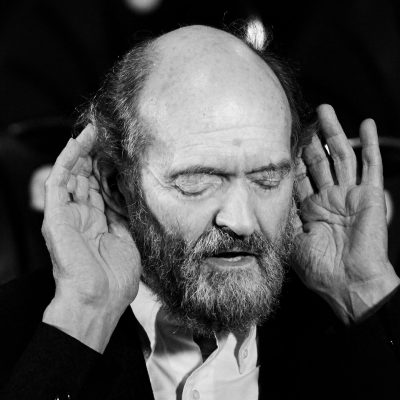
In the vibrant world of music, few names resonate as powerfully as Ebo Taylor. A true revolutionist, he was more than just a musician; he was a musical innovator whose legacy continues to influence generations. The news of his passing on February 7, 2026, at the age of 90, sent ripples through the music community worldwide, reminding us of the profound impact he had on African music. Taylor’s unique blend of highlife and Afrobeat not only defined the sound of Ghana but also transcended borders, reaching an international audience. In this article, we will explore the life, legacy, and musical journey of Ebo Taylor, celebrating his remarkable contributions to the world of music.
Understanding Ebo Taylor’s Musical Influence
Ebo Taylor was born in Ghana, where he masterfully combined the lilting rhythms of highlife with the energetic pulse of Afrobeat. His music was a rich tapestry woven from diverse influences, including jazz, classical, and traditional African sounds. The elaborate guitar chords and hypnotic rhythms in his songs showcased his ability to innovate while preserving the essence of Ghana’s rich musical heritage. Musicologist John Collins noted that Taylor “helped introduce advanced jazz chords” to Ghana’s highlife bands, which revolutionized the genre.
Ebo’s work was not just a product of his environment; it was also shaped by his interactions with global music legends. Inspired by jazz icons like Miles Davis and John Coltrane, he infused Western jazz elements into the highlife genre, creating a sound that was distinctly his own. Taylor’s collaboration with various artists, including the renowned Afrobeat pioneer Fela Kuti, further solidified his status as a groundbreaking figure in music. His passion was evident in live performances, where he delivered mesmerizing shows, captivating audiences and leaving them yearning for more.
The Legacy of Ebo Taylor in Highlife and Afrobeat
The legacy of Ebo Taylor extends far beyond the notes he played. His music serves as an expression of cultural identity and a historical reflection of Ghana’s social landscape. Highlife music, often described as a response to the cultural melting pot of coastal Ghana, found its voice through Taylor’s compositions. His melodies encapsulated the spirit of independence, resounding during Ghana’s push for freedom, with iconic songs that inspired a sense of pride among Ghanaians.
Throughout his career, Ebo Taylor released numerous albums that continue to resonate with fans today. His ability to address societal issues through his lyrics made him not just a musician but also a storyteller. In a world that often overlooks the roots of contemporary genres, Ebo Taylor‘s contributions remind us of the importance of honoring tradition while pushing boundaries. His fusion of jazz elements with traditional rhythms created an innovative soundscape that influenced many contemporary musicians across genres and borders.
Recent Tribute and Recognition
The recent festival held in Accra, Ghana, just before Taylor’s passing, was a testament to the profound love and respect he commanded within the music community. This event celebrated his contributions and brought together musicians, fans, and industry experts to honor his life and work. Gatherings like this reinforce the idea that Ebo Taylor was more than just an artist; he was a cultural icon whose influence will undoubtedly shape the future of African music.
Special performances and tributes during the festival highlighted his works, showcasing the generations of artists inspired by his innovation. Many performers expressed how Taylor’s approach to music opened doors for them, allowing them to explore their own creative expressions while acknowledging their roots.
Global Impact of Ebo Taylor’s Music
The music of Ebo Taylor has transcended geographical boundaries, resonating with listeners from all walks of life. His unique sound is not only a staple of Ghanaian culture but also an important part of the global music conversation. As music continues to evolve, artists around the world draw inspiration from Taylor’s groundbreaking techniques. His incorporation of jazz harmonies into African rhythms paved the way for new genres and sub-genres, significantly impacting global music trends.
Moreover, Taylor’s influence can be seen in the work of many modern artists who strive to blend traditional sounds with contemporary styles. As the world becomes increasingly interconnected, Ebo Taylor‘s music serves as a bridge, connecting cultures and promoting unity through the universal language of rhythm and melody. Festivals and events worldwide now celebrate African music, recognizing its global significance, and much of that can be traced back to pioneers like Taylor.
Conclusion: Celebrating the Legend of Ebo Taylor
The enduring legacy of Ebo Taylor is a reminder of the power of music to inspire, heal, and unite people across diverse backgrounds. As we reflect on his remarkable journey and contributions, it’s crucial to celebrate his role as a cultural innovator that transformed music in Ghana and beyond.
To deepen this topic, check our detailed analyses on Music section.