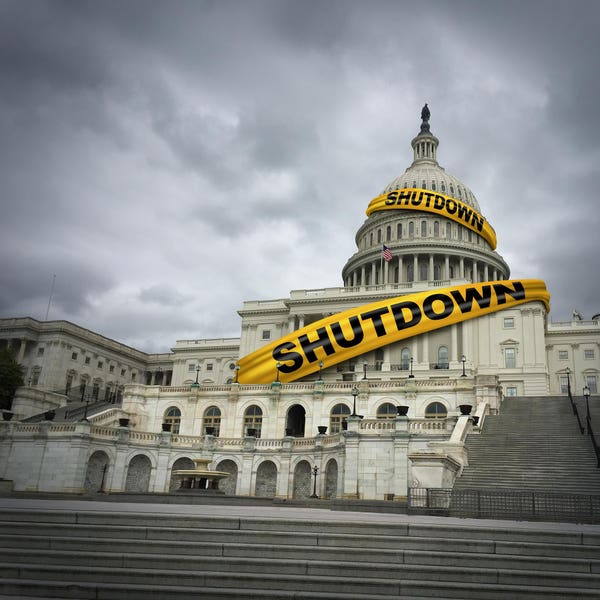
In a landscape where regulatory changes can significantly impact businesses, the recent **E-Verify shutdown** due to the government shutdown has left many employers in a state of uncertainty. As the U.S. government ceases operations, the E-Verify system has gone dark, raising critical questions about compliance and hiring procedures. This unexpected pause can leave hiring teams in limbo, struggling to maintain operational efficiency amid the ongoing chaos. Surprisingly, many employers may not realize that while E-Verify functions are suspended, their obligations regarding employment eligibility remain intact. Understanding how to navigate this shutdown is essential for compliance and operational integrity.
Understanding the Implications of the E-Verify Shutdown
The current **E-Verify shutdown** directly affects how employers verify the work authorization of new hires. With the U.S. Citizenship and Immigration Services (USCIS) halting all operations linked to E-Verify, employers now face challenges in completing their hiring processes. They cannot create new verification cases, enroll in the program, or resolve any tentative nonconfirmations (TNCs). It’s crucial to note that the traditional “three-day rule” related to case creation is suspended, putting additional pressure on compliance teams.
Employers are still required to complete Form I-9s promptly. This means that despite the suspension, they must ensure that Section 1 of the I-9 is filled out by the first day of work and Section 2 completed within three business days. This continues to highlight the importance of the I-9 process, especially in these uncertain times.
What Employers Can Do During the Shutdown
While the E-Verify shutdown leaves many aspects of the hiring process stalled, employers can take actionable steps to stay compliant. Here are some vital strategies to consider:
- Keep track of all hires during the shutdown period and maintain thorough records.
- Communicate proactively with employees regarding their employment eligibility status to ease potential worries about delays.
Proactive communication prevents misunderstandings, ensuring employees know that any issues are government-related and not reflective of their performance. Furthermore, document all communications and hiring activities during the shutdown, as this will provide evidence of good-faith compliance once the government reopens.
The Importance of Form I-9 Compliance
Even with the **E-Verify shutdown**, the deadlines for Form I-9 compliance remain unchanged. Employers must not view I-9 requirements as optional; they are essential for legal compliance. The I-9 process must be handled accurately and thoroughly, regardless of the status of E-Verify.
Interestingly, USCIS has afforded some leniency during this period. They have indicated that once E-Verify is back online, employers will have additional time to create cases and that penalties for resolving TNCs will be paused. This flexibility is crucial for easing the burden on employers who may face delays that impact their operations.
Preparing for a Return to Normalcy
As the shutdown continues, employers should prepare for the backlog of E-Verify cases that will need attention once the service resumes. Keeping detailed records of all hiring activities and ensuring the accuracy of I-9 files will facilitate a smoother transition back to normal procedures.
Employers can leverage the ongoing situation as an opportunity to strengthen their processes and re-evaluate their compliance strategies. For instance, learning from this experience can help develop contingency plans for future disruptions, emphasizing the need for continuous adaptation in a volatile regulatory environment.
Conclusion: Navigating the Uncertainties Ahead
The **E-Verify shutdown** exemplifies the fragility of compliance systems amid political uncertainties. Employers must remain vigilant, ensuring that they maintain rigorous I-9 procedures even when updates from E-Verify are inaccessible. This period calls for meticulous recordkeeping and proactive communication, both of which serve to uphold compliance during challenging times.
For those interested in understanding broader trends in workplace compliance and strategies for navigating uncertainties, similar to the insights shared in our analysis of worker pessimism or the logistical intricacies discussed in the TSA hair tools ban, remaining informed is crucial. The environment is continually evolving, and proactive adaptation can lead to significant advantages even amid disruption.
To deepen this topic, check our detailed analyses on Career Advice section