With creator ad spending projected to reach an astounding $37 billion this year, brands and marketers are recognizing the monumental shift happening in the advertising landscape. According to recent findings from the IAB Creator Economy Ad Spend Report, this growth is occurring at a rate four times faster than traditional media. Not only does this figure illustrate a shift in where budgets are allocated, but it underscores the evolving role of creators as essential partners in brand marketing. In this article, we will explore the implications of this trend, the industries leading the charge, and the strategies brands need to implement to capitalize on this opportunity.
Understanding Creator Ad Spending Dynamics
The transition to creator ad spending signifies a major transformation in how brands communicate with their audiences. Nearly 48% of advertisers now consider creators a “must-buy” channel, placing it just behind search and social media in importance. Leading the way, the retail sector accounts for $12.3 billion in planned spending, marking a robust 38% year-over-year increase. Following close behind is the CPG sector, projected to hit $5.5 billion in spending, which represents a 24% uptick.
This seismic shift is remarkable given that these same sectors once relied heavily on traditional TV advertising as their primary mode of communication. For instance, brands such as Coca-Cola and Procter & Gamble heavily invested in television advertising to engage viewers during family-oriented programs. Now, however, they are pivoting to engage audiences through creator content, which provides a more dynamic and engaging interaction.
To elaborate on this transition, you may find valuable insights similar to strategies discussed in our coverage of the transformative role creators play in media over at Creator AORs: Shifting Brand Expectations.
The Evolving Role of Platforms: From Social Media to Entertainment Networks
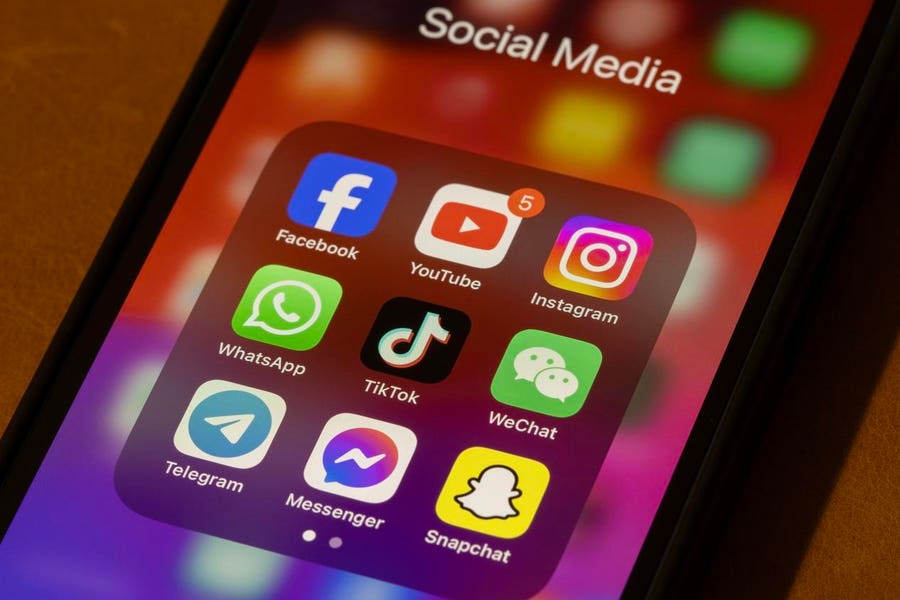
As audience behaviors evolve and content consumption patterns change, platforms like TikTok, Instagram, and YouTube are no longer just social media sites. They now function as entertainment networks, engaging users in highly targeted ways. As explained by Connor McKenna at Luma Partners, “Only 7% of the time on Instagram is now spent on friends; 93% goes to creators and recommended content.” This evolution represents a critical juncture for brands.
As Mike Shields noted at a recent event, the fragmentation of content has opened a marketplace ripe for innovation and competition, indicating that we are entering a new era of media. Brands must learn to navigate this rapidly changing environment and adjust their strategies to take advantage of the newfound dynamism.
The strategic shifts that platforms have made to accommodate this new way of engaging consumers have been discussed in detail within our analysis of market responsiveness found at AI in Healthcare: Demands for Policy Reform.
Maximizing ROI: Shifting Budgets to Creator Media
As demonstrated in ongoing trends, effectively managing creator ad spending necessitates a shift in mindset. Traditionally, marketers have viewed creators merely as influencers rather than legitimate media entities. Ian Schafer, President of Ensemble, highlights that treating creator content as media ushers in accountability and measurable results.
In an age where every view can have direct implications for brand performance, brands must guarantee engagement metrics before making decisions. For instance, campaigns such as Cricket Wireless’s branded series, “Making It,” exemplify the potential for combining creator talent with structured media buys. The production integrates creators into the entertainment landscape by ensuring visibility not just through organic reach but through well-structured paid media that delivers results.
For more insights into how such campaigns can be a game-changer, feel free to explore our examination of cross-media strategies at Micro-Influencers vs. Traditional Media Strategies.
The Billion-Dollar Opportunity Ahead
With projected creator ad spending climbing to a staggering $37 billion, understanding the structural changes in the advertising ecosystem is more critical than ever. The market is evolving from a disjointed and reactive state to one that embraces a technological infrastructure designed for scalability. Brands that invest in understanding these shifts will ultimately reposition themselves for success in a market that thrives on innovation.
As the industry further builds out infrastructure that connects workflows, improves measurement, and enhances overall campaign effectiveness, enterprises stand to gain substantial returns from their creator partnerships. This transition not only strengthens budgets but fuels the next era of creator media, fostering an environment ripe for growth.
For additional insights into how companies can navigate these changes and enhance their media spend, refer to our discussion on the role of technology in advertising at Social Media Regulation and Its Impact.
To deepen this topic, check our detailed analyses on Social Media section