Every year, numerous families grapple with the complexities of genetic disorders, many of which stem from anomalies in crucial genes. A recent breakthrough at Northwestern Medicine has shed light on one such gene, known as CEP76 ciliopathy. Researchers have uncovered mutations in this gene, linking it to a spectrum of rare ciliopathy disorders that significantly impact developmental and physiological processes. This discovery not only enhances our understanding of ciliopathies but also opens the door to potential therapeutic avenues for affected families.
Understanding CEP76 ciliopathy and Its Impact on Health
CEP76 ciliopathy is part of a larger group of genetic disorders referred to as ciliopathies, which are caused by malfunctions in cilia. These tiny, hair-like structures act as sensory organelles crucial for cellular communication, tissue maintenance, and developmental processes. When cilia fail to function effectively, the consequences are widespread and affect various organ systems.
According to a study published in Science Advances, researchers identified mutations in the CEP76 gene among eight unrelated individuals, leading to symptoms such as neurodevelopmental delays, vision problems, and other multisystemic issues. This research highlights the critical role of the CEP76 gene in cellular integrity and overall health.
Symptoms and Genetic Variations of CEP76 Ciliopathy
The study revealed a complex relationship between genetic variations in the CEP76 gene and the clinical manifestations observed in affected individuals. Symptoms varied widely among patients, making it challenging for families and healthcare providers to understand the full scope of the disorders. For instance, some patients exhibited significant neurodevelopmental delays, while others suffered primarily from vision problems.
- Neurodevelopmental delays
- Vision issues
- Multisystemic complications
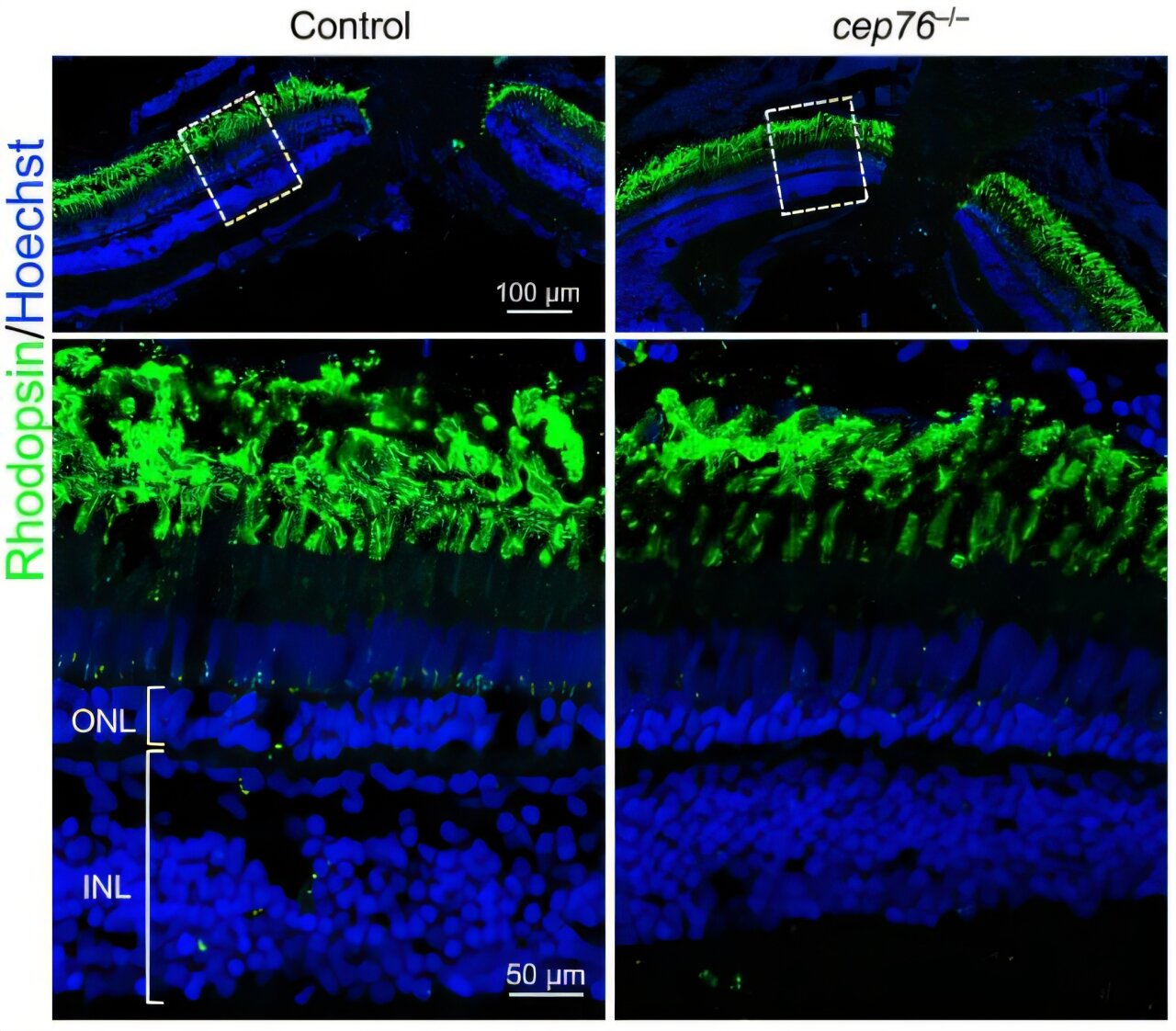
Using innovative approaches, researchers utilized patient-derived cells and zebrafish models to illustrate the impact of CEP76 deficiency on cilia formation. Their studies indicated that mutations led to a disruption in cilium architecture, causing cellular dysfunction.
Research Insights and Future Directions
Dr. Erica Davis, a significant contributor to the study, emphasized the importance of understanding the roles of various proteins associated with CEP76. By mapping CEP76’s interaction networks, researchers identified known partners as well as new candidates, such as ALMS1, a gene linked to Alström Syndrome. This finding underscores the intricate web of genetic interactions affecting cilia function.
Moreover, the discovery of CEP76 ciliopathy marks a significant milestone in genetic research. The ability to pinpoint exact genetic abnormalities may allow for earlier diagnosis and targeted therapies tailored to individual profiles. As Dr. Davis noted, improved understanding of genetic underpinnings provides families with hope and clarity regarding the potential trajectories of their loved ones’ conditions.
Toward Targeted Therapies for CEP76 Ciliopathy
With this newfound knowledge, researchers are now focusing on understanding why identical genetic variants can lead to different manifestations in children. Investigating genetic variations not linked to the CEP76 gene may offer additional insights into the complexity of these disorders. This approach could pave the way for therapeutic strategies aimed at not just CEP76 but also other genes demonstrating similar functions.
- Understanding genetic variance in symptoms
- Exploring therapeutic targeting
- Future studies on individualized treatments
The overall objective is to enhance personalized care for patients suffering from these rare but impactful disorders. By continuing to unravel the complexities of CEP76 ciliopathy, researchers aim to translate their findings into effective therapeutic interventions.
Conclusion: The Future of CEP76 Ciliopathy Research
The identification of the CEP76 gene as a key player in ciliopathy disorders represents a leap forward in genetics. Families affected by these conditions can now find some solace in the progress being made in medical research. With ongoing studies aiming to demystify the path from genotype to phenotype, the future holds promise for developing tailored treatments that consider not just genetic factors but also their complex interactions.
To deepen this topic, check our detailed analyses on Medical Innovations section