In an era where urban congestion is a pressing concern, the introduction of air taxis represents a revolutionary shift in transportation. According to recent studies, the global air taxi market is projected to grow exponentially in the coming years, with a potential value exceeding $1 trillion by 2040. This emerging industry is not just about ease of travel; it promises to redefine how we think about transportation and urban mobility. As the Trump Administration actively seeks to promote the development of air taxis, businesses and innovators are poised to explore new horizons in aerial transportation.
Harnessing Innovation: The Rise of Air Taxis
The Trump Administration’s pilot program aims to expedite the transition to electric and hybrid aircraft, specifically air taxis designed to revolutionize urban mobility. This initiative allows select companies to test their aircraft in real-world scenarios prior to receiving formal certification from the Federal Aviation Administration (FAA). As highlighted by transportation secretary Sean P. Duffy, “The United States will lead the way, and doing so will cement America’s status as a global leader in transportation innovation.” This statement underscores the vital role that air taxis will play in creating high-quality jobs and advancing technology in the aviation sector.
The Pilot Program: Paving the Way for Air Taxis
The pilot program will enable approved companies to conduct flight tests—both piloted and unmanned—using air taxis that can operate in urban environments. Notably, the urgency behind this initiative stems from the complex certification process that many innovative aircraft face, often taking years before they can legally carry passengers or cargo. The administration’s approach is reminiscent of strategies discussed in FAA reforms, aiming to simplify and streamline regulatory hurdles for the next generation of aviation.
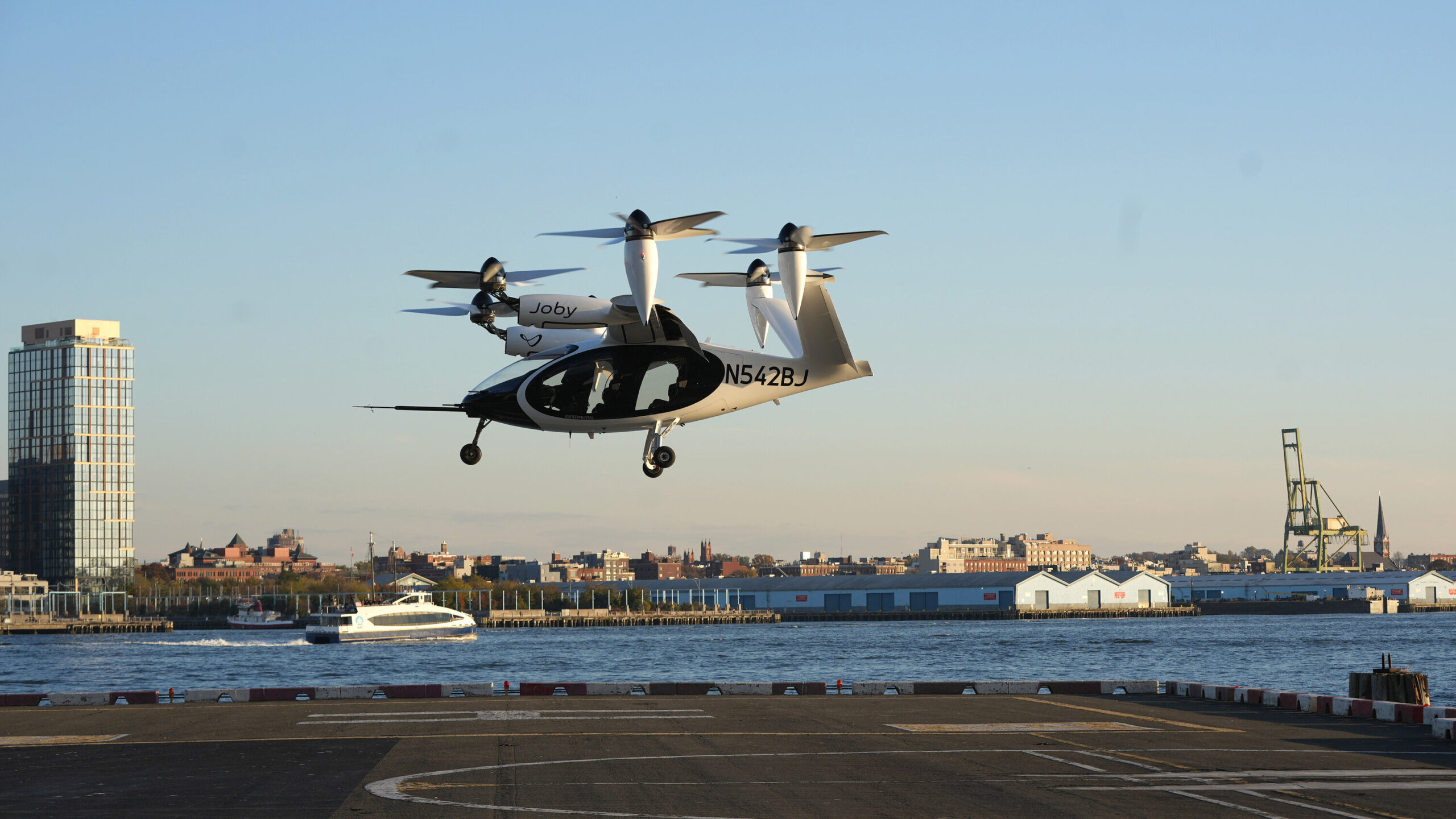
Companies such as Joby Aviation are at the forefront of developing air taxis that can take off and land like helicopters, yet transition to flying like fixed-wing airplanes, significantly enhancing efficiency and reducing noise pollution. As the industry moves toward approval, the pilot projects are expected to include multiple businesses and diverse use cases, indicating a partnership between state, local, and tribal governments with private entities. Safety will remain the highest priority throughout the implementation process.
Benefits of Air Taxis: More Than Just a Novelty
Air taxis come with a plethora of benefits, beyond just being a trendy mode of transport. Key advantages include:
- **Reduction of traffic congestion**: By taking to the skies, air taxis can alleviate road traffic and shorten travel times.
- **Environmental impact**: Many air taxis are designed to be electric or hybrid, dramatically decreasing the carbon footprint of urban transportation.
As highlighted by the recent initiatives discussed in our coverage on transportation innovations, the possibilities for sustainable flight are immense.
Future Outlook: Navigating Challenges Ahead
While the momentum for air taxis is palpable, challenges lie ahead. As the FAA prepares to evaluate upcoming project proposals from various companies, expectations for safety protocols and operational plans will be significant. The proposed projects are expected to last for three years, and companies must be prepared to demonstrate their commitment to safety and reliability in the air taxi space. The hurdles they face, including extensive regulatory processes, are similar to those explored in our analysis of sectors undergoing regulatory scrutiny.
Conclusion: The Road Ahead for Air Taxis
The landscape of urban transportation is evolving, and air taxis are set to play a pivotal role. The Trump Administration’s pilot program is a crucial step towards realizing this vision, enabling innovators to test and refine technologies that promise to change how we get from point A to B. As we watch this space develop, it is evident that air taxis could soon become part of our daily lives, offering a glimpse into a future of smart, sustainable travel. For further insights and the latest discussions around innovations in transportation and their impacts, check out our analysis of government strategies.
To deepen this topic, check our detailed analyses on Travel & Tourism section