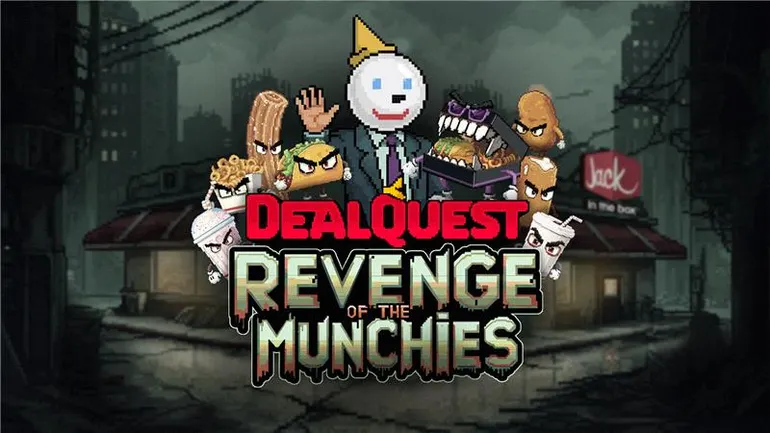
In an era where digital engagement drives customer loyalty, brands are continuously seeking innovative ways to connect with their audience. Remarkably, Jack in the Box has taken a bold step forward by launching an AI-powered in-app game called “DealQuest: Revenge of the Munchies.” This unique game offers an apocalyptic storyline where players team up with the brand’s iconic mascot, Jack, to combat the fictional “AI Munchie Meals.” With its engaging premise and enticing rewards, this game promises to revolutionize how customers interact with fast food brands.
Through this engaging experience, Jack in the Box aims to provide tangible value to its customers, especially those who may be looking for discounts in challenging economic times. By integrating an AI-powered in-app game, Jack in the Box is not just selling food; they are selling interactive experiences.
Transforming Customer Engagement with AI-Powered Games
The innovative concept behind the AI-powered in-app game is to foster a deeper connection with customers. Players engage in a choose-your-own-adventure style game where their decisions influence the outcome, enhancing replayability. Imagine embarking on a journey with Jack, navigating through challenges while unlocking exclusive deals for popular menu items. Not only does this make the experience enjoyable, but it also incentivizes repeat interaction.
Jack in the Box’s strategy is reminiscent of successful campaigns in other industries. For instance, ChatGPT’s sales funnel strategies also leverage innovative technology to promote engagement. By employing elements like storytelling and interactivity, brands can create lasting memories tied to their offerings.
Unlocking Value Through Gameplay
The rewards within “DealQuest: Revenge of the Munchies” are structured to entice participants at every level. Initially, players might unlock a simple bonus, such as a free drink with a minimum purchase. However, as they progress, the offers become increasingly appealing, featuring tempting discounts like “buy one, get one 50% off” on Munchie Meals. This tiered reward system encourages players to commit time to the game, ultimately driving higher revenue for the brand.
Moreover, each action taken within the game also enters players into a sweepstakes. This includes grand prizes like custom gaming PCs or the latest consoles, drawing in a broader audience that may not have been engaged previously with traditional marketing methods. In a similar vein, brands aiming to enhance customer trust can look at AI email fraud prevention strategies to build a secure digital environment, ensuring customers feel safe to engage.
The Future of Fast Food Marketing
According to Jack in the Box’s Chief Customer and Digital Officer, Ryan Ostrom, the future of fast food isn’t merely about the food itself, but rather about creating memorable experiences. This shift in focus is evident in their recent promotions, which not only highlight menu items but also emphasize engaging storytelling and community experiences. Earlier this year, they successfully incorporated a custom map in Fortnite, showcasing their adaptive marketing approach.
This connection between food and interactive fun is critical in a competitive landscape where customers are inundated with choices. By introducing an AI-powered in-app game, Jack in the Box taps into the gaming culture that resonates particularly well with younger demographics. As discussed in our analysis of AI initiatives across tech industries, innovative technologies are instrumental in modern marketing campaigns.
Cultural Connections Through Gaming
The collaboration with renowned agency TBWAChiatDay LA indicates a strategic merger of marketing and gaming. This partnership aims to promote the game through various platforms, including popular social media channels and apps widely used by gaming enthusiasts. By doing so, Jack in the Box not only promotes food but also cultivates a unique cultural experience.
These initiatives represent much more than simple campaigns. They embody a shift towards a digital ecosystem where AI-powered in-app games provide unparalleled experiences. Brands are now exploring how to blend food enjoyment with the immersive worlds of gaming, potentially redefining customer engagement strategies for the future.
Conclusion: Engaging the Future
Jack in the Box’s AI-powered in-app game is a testament to the evolving landscape of fast food marketing. With a compelling narrative, engaging gameplay, and continuous rewards, this initiative exemplifies how brands can leverage technology to transform customer interactions. As we move further into 2025, expect more brands to follow suit, seeking innovative solutions to captivate their audience.
To deepen this topic, check our detailed analyses on the Marketing & Advertising section, where we explore more strategies for engaging consumers effectively.