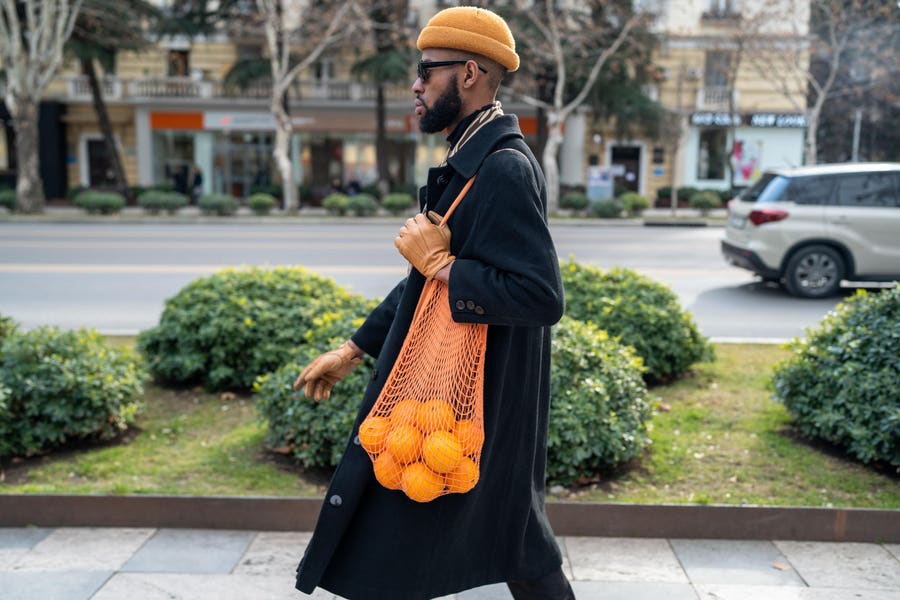
The rise of performative males has taken center stage in modern culture, especially among Gen-Zers who are redefining masculinity through irony and curated identities. This phenomenon showcases a unique intersection between societal expectations and personal expression, with surprising implications for marketers and social interactions. For instance, consider how many young men today opt for clothes and accessories that reflect a trendy, soft aesthetic, even if the motivations for their choices are often rooted in a desire for external validation rather than genuine interest. Notably, these performative males have emerged as archetypes emblematic of a broader cultural shift, symbolizing the death of sincere expression in favor of curated identities, driven by the digital age.
Understanding the Trend of Performative Males
At the core of the performative males trend lies a cultural irony unique to the internet age. Many young men today are opting for aesthetically appealing choices—like carrying tote bags or sipping artisanal beverages—not out of necessity, but as a means of securing social approval. This shift away from traditional masculine ideals, often represented by the “Alpha Bro” archetype, has paved the way for a new kind of male visibility that leverages softness and style as tools of attraction. The performative aesthetic is less about the individual and more about a carefully constructed image designed to resonate with progressive audiences.
The Role of Sincerity in Modern Relationships
The increasing prevalence of performative males reflects a heightened awareness of social performance. As noted in discussions about Gen-Z’s relationships, many young individuals opt for “situationships” instead of direct declarations of love. This shift underscores a cultural reluctance to engage in sincere emotional expressions, which can be perceived as risky. Instead, many navigate their interpersonal interactions through a lens of irony and detachment, reflecting a survival mechanism in an age dominated by social media scrutiny. The consequences can be profound, leading to questions surrounding authenticity and emotional vulnerability in the face of relentless judgment.
The Shift from Self-Expression to Self-Curation
Historically, personal choices—like music or clothing—served as expressions of self-identity within specific cultural contexts. However, the rise of performative males signifies a transition from genuine self-expression to a more calculated form of self-curation. Today’s decisions are less about personal values and more about how these choices will be perceived by others. This shift is particularly pronounced in how individuals engage with online culture, where algorithms dictate trends and personal visibility, compelling many to conform to shifting standards of acceptability.
Marketing Implications: Engaging with the Performative Male Phenomenon
For marketers, understanding performative males can offer crucial insights into modern consumer behavior. Brands must navigate a landscape where traditional messaging strategies might fall flat with today’s audiences. For instance, brands that resonate with Gen-Z are often those that embrace irony or engage with playful, chaotic content. This approach contrasts sharply with the heavy-handed sincerity that worked well for previous generations. As seen with successful brands like Labubu and Birkenstock, engaging in cultural commentary and aligning with youth-driven aesthetics can yield significant financial returns.
Looking Beyond Irony: The Path Forward
As brands navigate the complexities of engaging with the performative males phenomenon, there lies an opportunity to promote authenticity in an age defined by irony. Helping young consumers discover genuine interests and values can be a profound step toward fostering connections that transcend performance-based identities. While the lines between sincere and performative might be increasingly blurred, brands can play a role in guiding individuals toward self-discovery, asking critical questions about identity and self-worth in a digitally saturated world.
To deepen this topic, check our detailed analyses on Social Media section