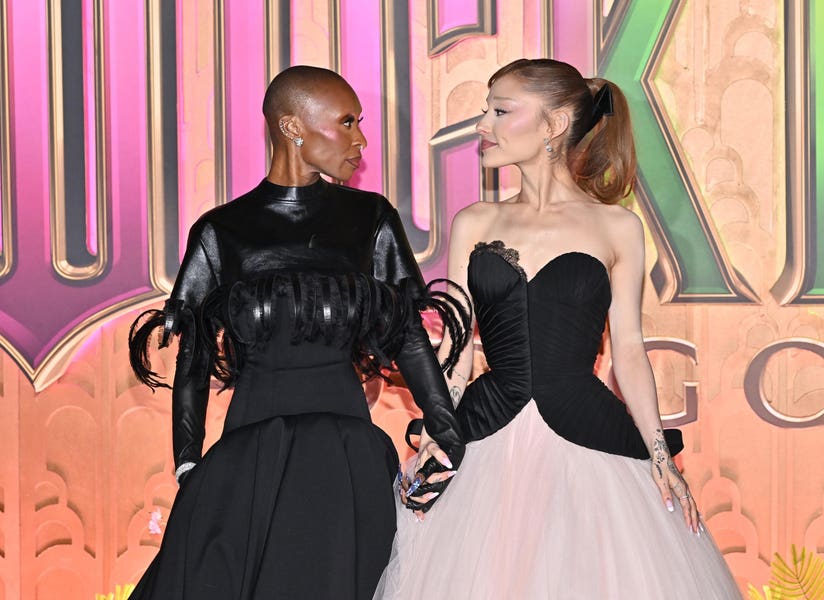
Emotions have long been a topic of sensitive discussion, especially when it comes to women showing emotion in professional spaces. Recent incidents involving public figures—like Ariana Grande and Cynthia Erivo—have sparked conversation about the societal discomfort surrounding women’s tears. For many, crying during work-related activities often leads to unnecessary judgments that impact careers. The truth is, women showing emotion is not just a personal expression; it’s a reflection of deeper societal attitudes and standards that we must reassess. This article delves into the implications of emotional expression in the workplace and how societal norms shape the discourse around women’s emotions.
In this context, the experiences of Grande and Erivo during their press tour for the musical Wicked: For Good serve as a pivotal example of how the world reacts to women showing emotion. Not only did both women display vulnerability on camera, but their displays of emotion also catalyzed discussions about why such moments are often viewed negatively.
Understanding the Tension: Emotional Expression and Professionalism
Women show emotion naturally; it’s a part of our humanity. Yet, societal norms impose limits on how that expression is perceived, often leading to harmful consequences for those who do cry. A study from 2023 indicated that 70% of workers believe there are notable penalties for crying at work. This statistic highlights a troubling truth: women are often viewed more harshly when they express emotion.
Crying isn’t merely an involuntary reaction; it’s a complex emotional response shaped by various factors including workplace conditions and cultural expectations. For instance, a woman who tears up during a performance review may be seen as unprofessional if it occurs publicly, but in a more private setting, her emotional reaction may be perceived with greater empathy. In a world where women showing emotion are often judged through a skewed lens, crying in professional settings can severely limit their career advancement.
The Cost of Emotion: Career Implications
The implications of women showing emotion in professional settings are significant. Research shows that women are frequently categorized as “frequent criers,” leading to damaging stereotypes that can restrict career growth. A study conducted by scholars in 2018 indicated that individuals who cry openly in work environments may face severe backlash, which could impact their evaluations and team dynamics as well.
Thus, it’s crucial to understand the ramifications of judging emotional displays. Women showing emotion in high-pressure environments could be more vulnerable to negative perceptions. This creates an unbalanced narrative where emotional responses are scrutinized, often leading to women either suppressing their feelings or facing backlash.
The Misinterpretation of Tears: Perception vs. Reality
Tears in the workplace are misconstrued as manipulative or unprofessional, particularly when they come from women. Grande and Erivo’s emotional moments during interviews have ignited discussions, not about the authenticity of their emotions but rather the discomfort surrounding women’s tears. Erica from ET commented on Grande’s emotional reflection, which was rooted in her childhood, and Erivo’s heartfelt representation of Elphaba in Wicked. Yet, instead of focusing on the meaning behind their tears, the conversation quickly shifted to societal concerns regarding women showing emotion publicly.
The resulting scrutiny often leads to a vicious cycle: women strive to manage their emotions to conform to societal expectations, which in turn stifles authentic expressions. This behavior can create an environment where emotional availability becomes a liability, diminishing opportunities for women and interfering with their professional accomplishments.
Shifting the Paradigm: Embracing Emotional Availability
Perhaps the most crucial question emerging from incidents involving Grande and Erivo is this: why does emotional availability frighten us? If we can embrace the reality that women show emotion as a normal human response, we may start to shift workplace dynamics for the better. Studies suggest that workplaces which accept and adapt to emotional expressions tend to foster healthier environments, boosting not just morale but also productivity.
Valuing emotional intelligence and encouraging openness can transform the narrative around women showing emotion. Instead of perceiving tears as a flaw, organizations should view them as part of the broader emotional spectrum we all experience. By doing so, workplaces can begin to break down barriers and promote inclusivity for all employees.
Calls to Action: A New Era for Women in the Workplace
The challenge for today’s workplaces is to foster environments that embrace all types of emotional expression. Companies should invest in training and initiatives that prioritize emotional intelligence, enabling employees—particularly women—to express their feelings without fear of repercussions.
As we reflect on the reactions to Grande and Erivo, it’s vital to remember that the perception of women’s tears shouldn’t be a determiner of their professional capabilities. Instead of viewing crying as behavior to discourage, we should collectively understand it as a natural part of our human experience.
Such changes will not only improve workplace culture but also promote a healthier approach to emotional expression for everyone. Together, we can create spaces where women showing emotion is accepted as part of the human condition—rather than a flaw to be fixed.
To deepen this topic, check our detailed analyses on Career Advice section.