In an astonishing breakthrough, researchers have identified a new subtype of T-cell leukemia that could revolutionize the treatment landscape for childhood leukemia. The significance of this discovery cannot be overstated, as it addresses the pressing challenge of treatment-resistant cases affecting vulnerable children. T-cell subtype leukemia, a more aggressive form of acute lymphoblastic leukemia (ALL), has historically posed treatment difficulties, often leading to high mortality rates. This innovative research, undertaken by a team at the Wellcome Sanger Institute and its collaborators, paves the way for targeted therapies that could offer renewed hope to families battling this dire condition.
T-Cell Subtype Leukemia: Unpacking the New Insights
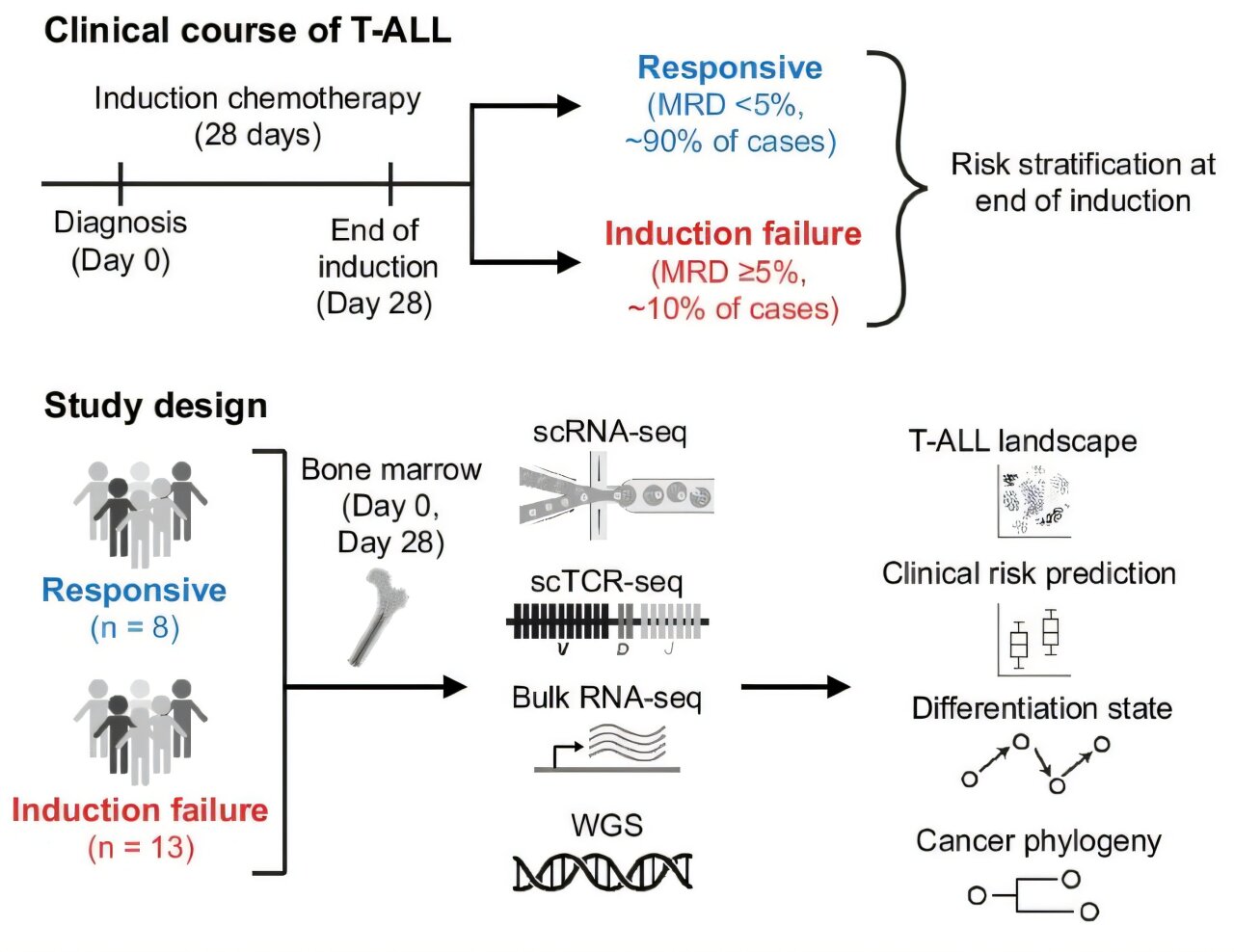
T-cell subtype leukemia encompasses a specific group of cancers that arise when T-cells, a vital part of the immune system, grow uncontrollably. Unlike B-cell leukemia, which has seen significant advancements in treatment tailored to various genomic subgroups, T-cell leukemia remains more elusive and aggressive. Recent studies indicate that T-cell subtype leukemia accounts for approximately 15% of ALL diagnoses, particularly among children. This aggressive nature results in treatment failure and drug resistance in about 10% of cases, an outcome underscored by the pressing need for novel therapeutic strategies.
Through comprehensive analysis of bone marrow samples from 58 children with T-ALL, researchers have pinpointed the gene ZBTB16, which, when activated, triggers the development of a new cancer cell type resistant to first-line therapies. Integrating this genetic marker into diagnostic tests could significantly alter clinical practices by allowing for earlier identification of patients at risk of poor treatment responses. This advancement would empower clinicians to tailor interventions more effectively, ultimately improving survival rates for those affected by T-cell leukemia.
The Path Forward: Revolutionizing Clinical Care
As the landscape of leukemia treatment evolves, the discovery of T-cell subtype leukemia promises a paradigm shift in clinical care. Currently, children diagnosed with T-ALL undergo a standardized four-week chemotherapy regimen. Unfortunately, without an understanding of which cancer variants are inherently aggressive, many endure unnecessary treatments that may not be effective against their specific cancer type. Organizing clinical care in light of these findings offers a glimpse of hope:
- By implementing targeted testing for the ZBTB16 gene, healthcare providers can identify treatment-resistant leukemias from the onset.
- This could lead to personalized treatment plans that minimize both treatment-related side effects and ineffective drug regimens.
Such proactive measures may not only benefit children diagnosed with T-cell subtype leukemia but could also enhance the overall efficacy of leukemia treatments across the board. This scientific breakthrough resonates strongly with families, offering them a glimmer of hope in what has been a formidable battle against aggressive childhood cancers.
Learn More About the Implications for Childhood Cancer Treatment
The implications of this research extend beyond immediate clinical applications. Understanding the genetic underpinnings of T-cell subtype leukemia opens avenues for the development of new therapeutic options aimed at targeting the ZBTB16 protein. Future investigational treatments could lead to innovative immunotherapies that specifically target these resistant cancer cells, potentially transforming prognosis for children facing this daunting diagnosis.
(As explored in our previous discussions on innovative approaches in healthcare, the integration of genomic data into clinical practice is crucial to enhancing patient outcomes across various conditions.)
Conclusion: A Hopeful Horizon for T-Cell Leukemia
The revelation of a new subtype of T-cell leukemia represents a significant advancement in our understanding and treatment of childhood leukemia. As with all groundbreaking discoveries, further clinical research is necessary to validate these findings and establish new protocols in care. However, the potential for targeted therapies tailored to resistant cell types heralds a new chapter in pediatric oncology. The urgency of this research cannot be overstated; children facing treatment-resistant leukemia now have hope for more effective therapeutic strategies akin to those afforded to B-cell leukemia patients.
To deepen this topic, check our detailed analyses on Medical Innovations section
As the medical community continues to uncover genetic insights and treatment possibilities, the future for children diagnosed with T-cell subtype leukemia looks increasingly promising.
For further information on related topics, explore these useful resources: