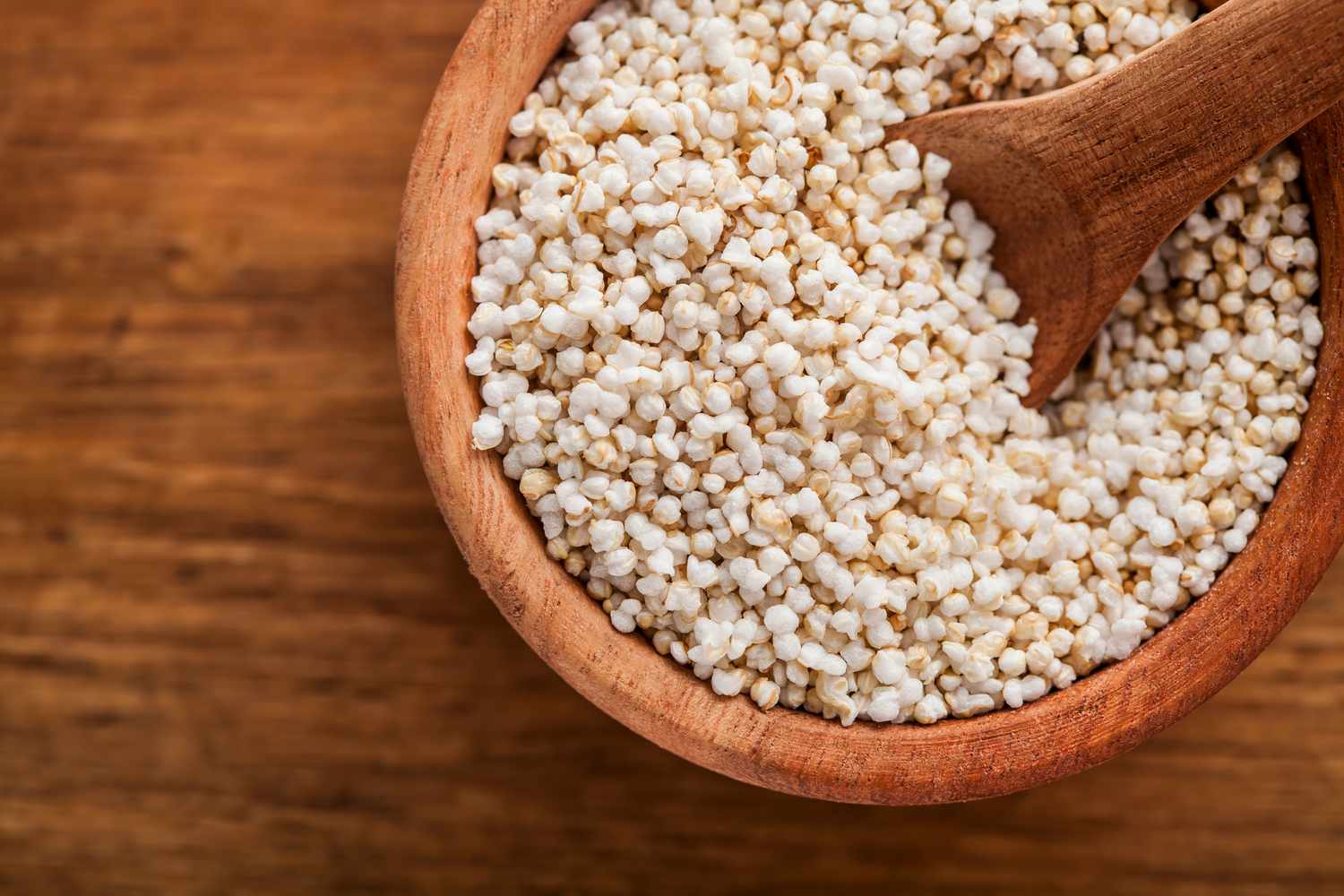
Did you know that nearly 70% of Americans are not getting enough protein in their diets? This shortfall can have significant consequences for our energy levels, muscle health, and overall well-being. If you’re searching for a functional and nutritious solution, consider adding high-protein whole grains like amaranth to your meals. This exceptional grain not only satisfies your hunger but also offers a fantastic nutritional profile. In this article, we will explore the multifaceted benefits of amaranth and why it deserves a place in your pantry.
Why Amaranth is a Top Choice for High-Protein Whole Grains
Amaranth is an ancient grain that has been yielding benefits for centuries. Known for its nutty flavor and hearty texture, this high-protein whole grain is not only versatile but also nutrient-dense. Packed with protein, fiber, vitamins, and minerals, amaranth helps to provide sustained energy throughout the day. According to research, one cup of cooked amaranth contains up to 9 grams of protein and 4 grams of dietary fiber, making it a top contender among grains.
The Nutritional Power of Amaranth
Amaranth stands out from the crowd, not just for its protein content but also for its array of essential nutrients. Here are some key benefits:
- Protein-Rich: As mentioned earlier, amaranth is a complete protein, meaning it contains all nine essential amino acids.
- Fiber Boost: The dietary fiber in amaranth promotes digestive health, stabilizes blood sugar, and helps lower cholesterol levels. A mere half-cup can contribute 16% of your daily fiber intake.
- Iron Content: One cup of amaranth provides approximately 5 milligrams of iron, meeting significant daily needs, especially for individuals who follow plant-based diets.
To give you a practical example of incorporating amaranth into your meals, you’re encouraged to experiment with creative dishes that include this wonderful grain. For instance, in the article titled Balsamic Chicken Orzo, consider replacing or combining orzo with amaranth for an exciting twist.
Cooking Tips for Amaranth
Amaranth is easy to cook and can be used in various dishes—from warm porridge to savory salads. To prepare amaranth, it’s beneficial to soak it overnight; this enhances digestibility and nutrient absorption. Here’s how you can enjoy it:
- Amaranth Porridge: Cook amaranth with water or plant-based milk and top it with fruits, nuts, or a drizzle of honey for sweetness.
- Soups and Stews: Use amaranth as a thickener in soups or add it to stews for an additional protein boost.
- Flour Alternatives: Grind amaranth into flour and utilize it in pancakes or muffins.
For some innovative recipes that further highlight amaranth’s versatility, check out the high-protein meal plan designed for both delicious flavors and nutritional benefits.
Amaranth: A Gluten-Free Option
If you’re gluten-sensitive or have celiac disease, high-protein whole grain options are limited. Fortunately, amaranth is naturally gluten-free, making it an excellent alternative. Other gluten-free grains like quinoa and buckwheat can be paired with amaranth to create well-balanced meals modified for those with dietary restrictions.
Whether you are considering a meal makeover or trying to diversify your grain intake, incorporating amaranth not only elevates your taste but also enriches your diet. It’s worth mentioning that this high-protein whole grain can complement many meals and add nutritional value.
Conclusion
In conclusion, making amaranth a staple in your kitchen can be a game changer. Its remarkable nutrient profile, coupled with its versatility in dishes, makes it a superhero among grains. For those looking to enhance their protein intake without resorting to artificial supplements, high-protein whole grain options like amaranth provide a wholesome solution. Please visit our guide on heart-healthy vegetables for further dietary insights and to explore more healthy options.
To deepen this topic, check our detailed analyses on Food & Recipes section