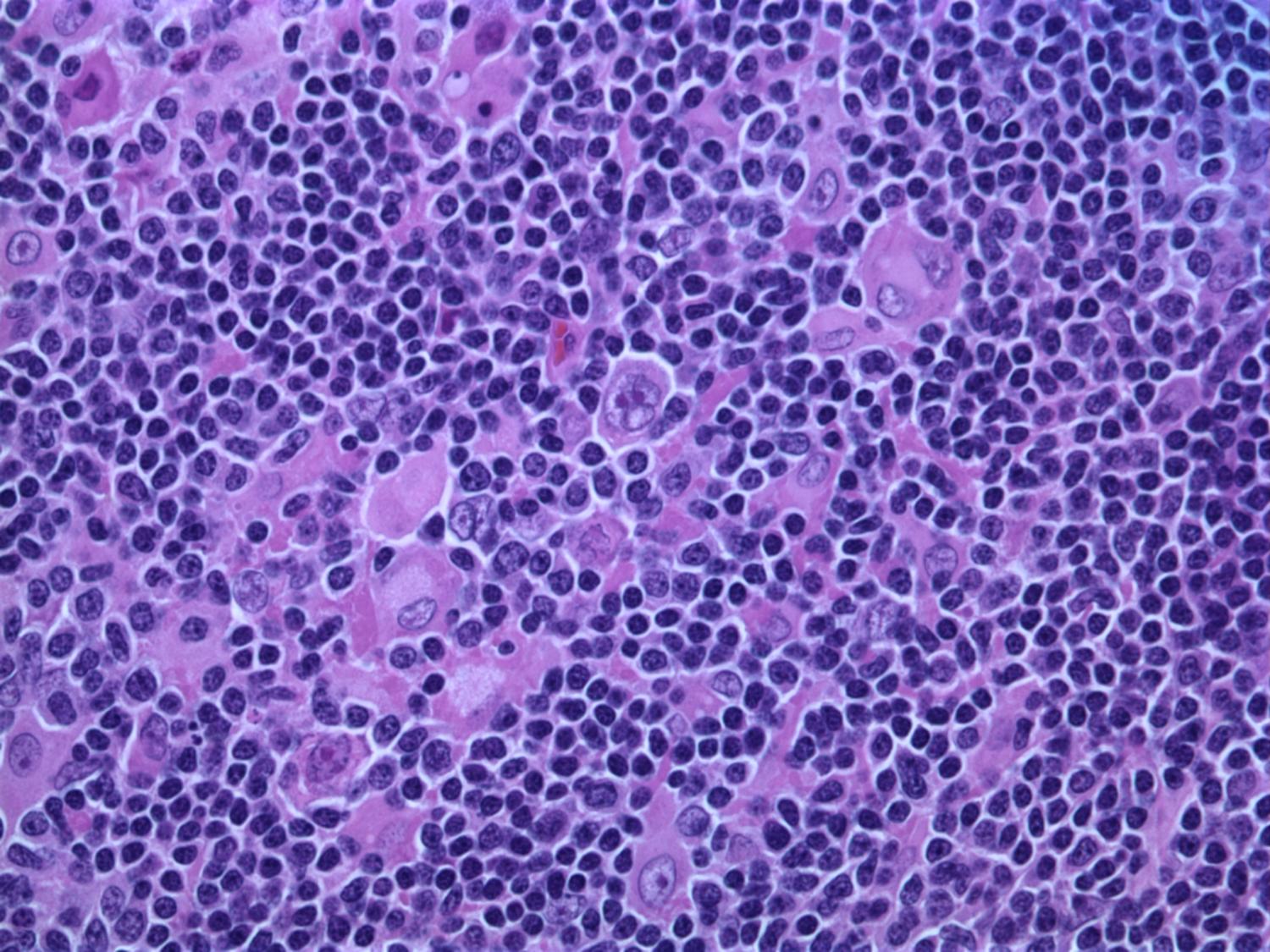
In the world of cancer research, astonishing advancements continue to unfold, raising hopes for effective treatments. Did you know that cancer cells can reactivate embryonic gene editors to fuel their growth? A groundbreaking study reveals that these malignant cells exploit the very mechanisms designed for rapid cell development, which we observe in early embryonic growth. This insight into the behavior of cancer cells underscores the need for innovative strategies targeting these processes. With the focus on cancer cells gene editors, researchers are paving the way for potential breakthroughs in cancer treatment.
How Cancer Cells Exploit Gene Editors
Cancer is notorious for its adaptability and rapid proliferation. Recent findings from researchers at the Center for Genomic Regulation (CRG) indicate that cancer cells harness embryonic splicing factors—proteins that edit RNA during gene expression—to achieve their aggressive growth. By reactivating genes typically turned off in mature tissues, cancer cells can regenerate and expand uncontrollably. This unorthodox cellular behavior not only enhances their growth but also explains why tumors adapt swiftly to various therapies.
The implications of these findings are immense. Targeting the splicing factors that cancer cells activate could lead to more effective treatment strategies. As explored in our analysis of immunotherapy, understanding the manipulation of these gene editors could provide invaluable insights into combating resistant cancer strains.
The Role of Splicing Factors in Tumor Growth
Research highlights that splicing factors are typically employed by cells during early development to create diverse proteins. However, in the presence of oncogenes such as MYC, the balance of these splicing factors is severely disrupted. This imbalance triggers a chain reaction wherein cancer cells switch on growth-promoting editors while silencing protective ones. Consequently, this rewiring pushes the cells into a “cancer-mode,” leading to uncontrolled growth.
Dr. Miquel Anglada-Girotto, the lead author of the study, explains the significance: “Cancer doesn’t invent brand-new tricks; it reuses old programs from early development.” This discovery is vital for future research. By detecting early changes in splicing factors, doctors may be able to identify cancers before they manifest into severe stages. These findings resonate with our previous discussions regarding early interventions in health conditions, akin to strategies mentioned in our article on lung scarring.
Artificial Intelligence: A Game Changer in Cancer Research
A remarkable point in this research is the utilization of artificial intelligence (AI) to analyze gene activity patterns. Traditionally, analyzing the editing of RNA involved extensive manual examination. The CRG researchers have developed an AI model that can read these patterns efficiently, facilitating the identification of how certain splicing factors contribute to cancer proliferation.
This innovation signifies a paradigm shift in cancer research methodologies, as it allows for a broad scanning of existing datasets. The potential to uncover hidden weak points within the cancer cells opens avenues for targeted interventions, similar to our exploration of technological innovations in our article on healthcare startups.
Mapping New Horizons in Cancer Treatment
Though the study sheds light on the mechanisms behind tumor growth, it also opens prospects for new therapeutic avenues. One potential approach could involve specifically targeting splicing factors to reverse the malignant rewiring of cancer cells. As a result, future therapies may not only inhibit tumor growth but also restore normal cellular functions, providing a more effective strategy that contrasts with conventional therapies that often focus on killing cancer cells outright.
Moreover, understanding this embryonic-like potential of cancer cells aligns with other fields of medical research. Just as extensive breastfeeding has been shown to boost infant immune health, as detailed in our findings on infant health, recognizing cellular behaviors can lead to stronger, more adaptive treatments at the genetic level.
Conclusion: Moving Forward in the Fight Against Cancer
The revelations about how cancer cells gene editors can help tumors thrive are a double-edged sword. While they expose the vulnerabilities of cancerous growth, they also present a clear path towards innovative treatments. By leveraging recent advances in AI and understanding splicing factors’ roles, researchers can devise strategies that could foreseeably transform cancer care.
As we remain vigilant in our fight against cancer, these insights into gene editors may be crucial. For those interested in further exploring how technological innovations intersect with medical advancements, check out additional detailed analyses in our Medical Innovations section.
In this ongoing battle, knowledge is power—understanding the mechanisms at play will allow us to combat this formidable disease. Stay informed, connected, and engaged as new discoveries emerge; the future of cancer treatment could be on the horizon.
To deepen this topic, check our detailed analyses on Medical Innovations section