Did you know that a simple ingredient often overlooked in the Mediterranean diet can provide significant health benefits? The humble peanut might just be the secret weapon you need to enhance your meals while promoting heart health and overall well-being. This Mediterranean diet ingredient is packed with plant protein, healthy fats, and fiber that support a balanced diet. With the integration of peanuts into your meals, you can enjoy fantastic flavors while also reaping the benefits of improved cholesterol and blood sugar levels. In this article, we’ll explore how to incorporate peanuts into your Mediterranean-inspired meals and why they deserve a place in your pantry.
Why Peanuts Are a Nutritious Mediterranean Diet Ingredient
Although many people think of almonds, walnuts, and pistachios when considering the Mediterranean diet, peanuts also contribute essential nutrients that align perfectly with this eating style. Rich in heart-healthy fats, peanuts are classified as legumes, providing an excellent source of plant protein and dietary fiber. Research suggests that regular consumption of peanuts can lead to improved cholesterol levels, better blood sugar control, and reduced inflammation. As a result, they can help you maintain your health long-term. Additionally, peanuts are widely available and affordable, making them a budget-friendly option for anyone looking to enjoy the Mediterranean diet.
According to nutritional data, just one ounce of raw peanuts contains several important nutrients:
- Calories: 160
- Protein: 7g
- Total Fat: 14g (of which only 2g is saturated fat)
- Dietary Fiber: 2g
- Folate: 68 mcg
- Magnesium: 49 mg
This impressive nutrient profile is why peanuts deserve recognition as a key Mediterranean diet ingredient. Moreover, their rich content of antioxidants such as phytosterols and phenols helps protect against various chronic diseases, including cardiovascular disease and type 2 diabetes.
Delicious Ways to Incorporate Peanuts into Your Diet
The versatility of peanuts as a Mediterranean diet ingredient makes them easy to incorporate into a wide variety of dishes. Here are some delightful methods to enjoy peanuts:
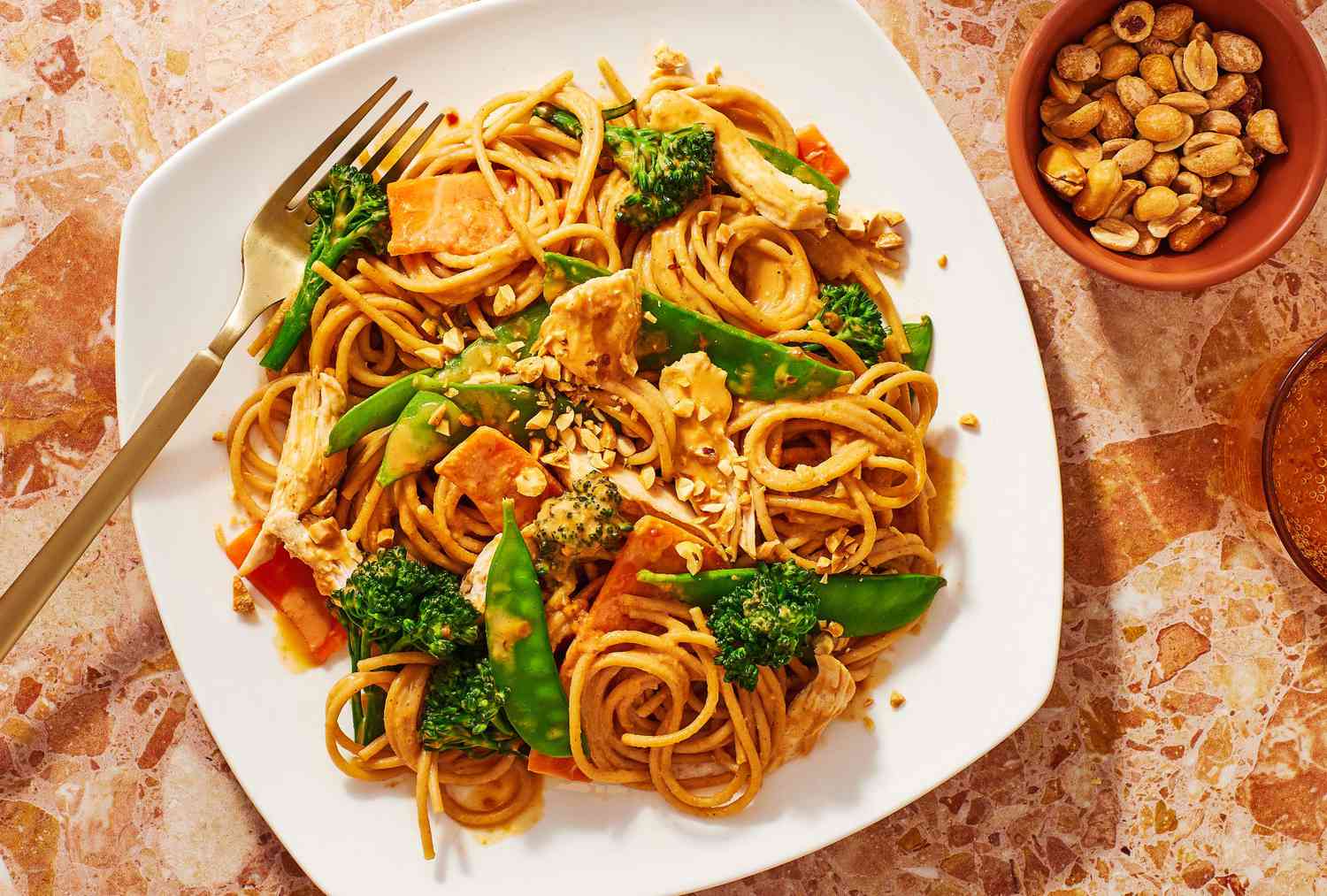
- Peanut Dressing – Create a vibrant dressing for salads, like a Chopped Salad with Sriracha Tofu & Peanut Dressing. The richness of the peanut flavor adds depth to the dish, while providing healthy fats and proteins.
- Soups and Stews – Incorporate peanuts into traditional recipes such as the Bolivian Quinoa Peanut Soup (Sopa de Mani). The addition of peanut butter lends a warming nuttiness to the broth and pairs well with quinoa, a staple whole grain in the Mediterranean diet.
- Peanut Oil – Utilize peanut oil in stir-fries or marinades. Its high smoke point makes it ideal for sautéing vegetables and proteins, ensuring those nutrients stay intact while infusing dishes with a delicious nutty flavor.
As explored in our analysis of healthy fats, peanuts can rejuvenate your energy levels, while fulfilling the Mediterranean diet principles of balancing macronutrients.
Peanuts: A Budget-Friendly Choice for Mediterranean Eating
One of the standout features of peanuts is their affordability. Compared to tree nuts, peanuts provide many of the same health benefits but at a fraction of the cost. This attribute makes adhering to the Mediterranean diet more accessible to everyone. You can experiment with different forms of peanuts: whole peanuts, natural peanut butter, or even roasted peanuts as a snack.
Adding peanut butter to your recipes can yield exciting results. Create energy balls using natural peanut butter, oats, and a touch of honey, or indulge in some No-Bake Peanut Butter Cookies. These sweet treats help you stick to Mediterranean diet ideals while satisfying your sweet tooth. They can also be enjoyed while following additional dietary principles similar to those discussed in our investigation of vegetarian diets.
The Positive Impact of Peanuts on Health
Peanuts do not just make meals taste great; they also have significant health implications. Regular consumption of peanuts can reduce inflammation and improve heart health, primarily due to their beneficial fat profile and bioactive compounds.
Studies indicate that peanuts can help lower cholesterol and blood pressure levels, contributing to overall cardiovascular health. Their rich fiber content also aids in digestive health and weight management, key components of the Mediterranean lifestyle. For women, this nut can be especially beneficial, showcasing its importance in our research on unsaturated fats and their role in cognitive function.
Final Thoughts on Peanuts in the Mediterranean Diet
As you consider how to adopt the Mediterranean diet more fully, don’t overlook the benefits of incorporating peanuts. Their unique flavor, health benefits, and affordability make them an excellent addition to your meals. With options ranging from spicy peanut dressing to decadent desserts, the Mediterranean diet ingredient of peanuts can be utilized in various ways to create nutritious and satisfying dishes.
To deepen this topic, check our detailed analyses on Food & Recipes section