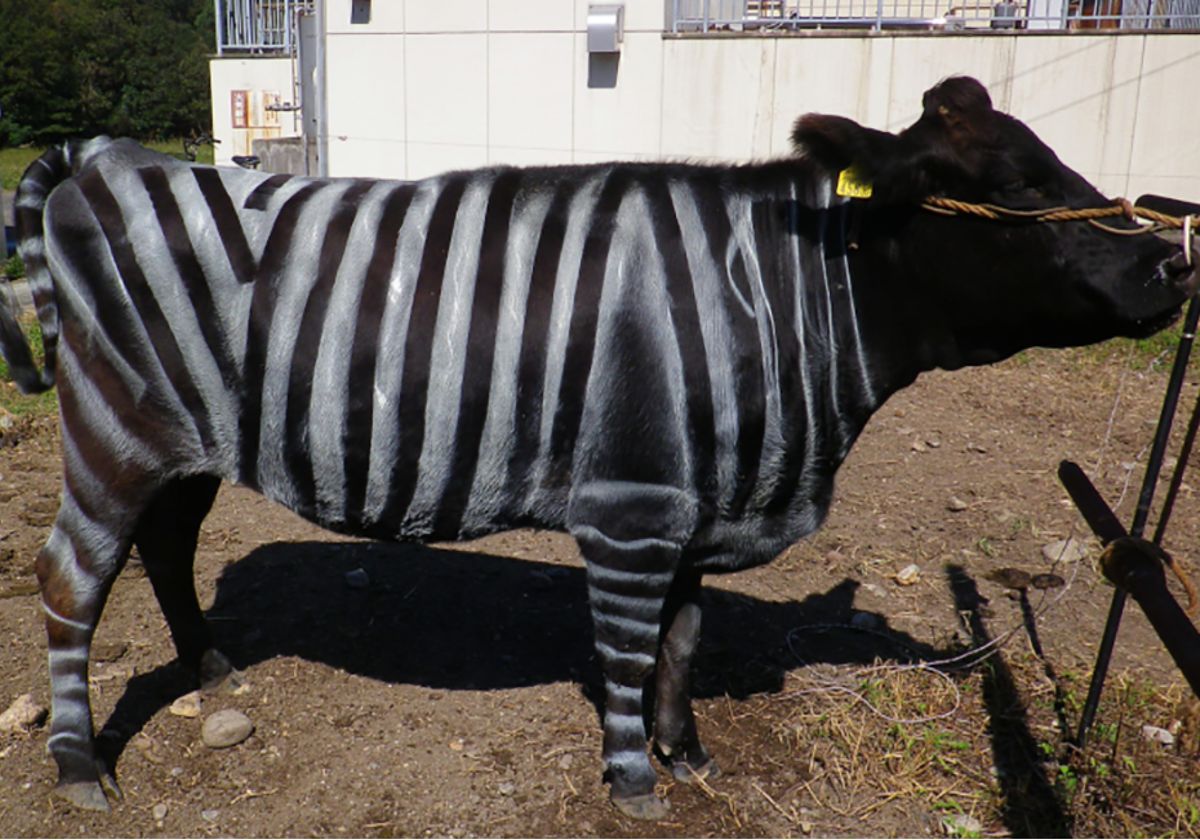
Imagine a world where a simple paint job could revolutionize livestock management. Surprisingly, recent research has unveiled that zebra cows, or rather cows painted with black and white stripes, can effectively repel pesky biting flies. This fascinating discovery earned Japanese researchers the 2025 Ig Nobel Prize in Biology and highlights the incredible potential of utilizing visual cues in animal husbandry. In this article, we delve into the intriguing concept of zebra cows and explore how their striped patterns can drastically minimize insect-related stress for our bovine friends.
The Science Behind Zebra Stripes and Fly Repulsion
Cows, particularly breeds like Wagyu, often face challenges from irritating biting flies that can transmit diseases and cause significant stress. A startling statistic reveals that farmers often see a decline in reproductive success rates when their livestock are constantly under attack from these pests. In a bid to counter this predicament, researchers embarked on a groundbreaking study led by Tomoki Kojima from the Aichi Agricultural Research Center.
The team painted several black cows with white stripes, drawing on earlier findings by evolutionary biologist Tim Caro. Previous research indicated that zebras developed their iconic stripes primarily to deter biting insects rather than for camouflage or social signaling. By creating zebra cows, the researchers aimed to test if mimicking this pattern could replicate the natural benefits observed in zebras.
The results were astonishing. The cows with painted stripes displayed markedly fewer fly-related disturbances compared to their unaltered counterparts. This method offers a promising alternative to chemical pesticides, potentially mitigating the growing concerns about chemical residues in meat and dairy products. Emphasizing animal welfare, Kojima noted, “Painting is a cheap, easy, and animal welfare-friendly method.”
The Impact of Zebra Cows on Farming Practices
Farmers have long fought against the invasion of biting flies, often resorting to grazing restrictions and pesticides. However, the zebra cows approach provides a sustainable and innovative solution to this issue. Not only does it help protect livestock, but it also enhances the overall health of the animals, reducing stress and increasing productivity.
Moreover, this method could play a significant role in the future of agricultural practices. As livestock farming continues to evolve, finding environmentally friendly solutions is crucial. The adoption of zebra cows poses an exciting opportunity to lessen dependency on harmful chemicals. Research indicates that less chemical use may lead to healthier ecosystems and food products, aligning with the thematic focus of the farm innovations of 2025.
In a real-world application, Japanese farmers have put this theory to the test, reporting impressive results. Many expressed disbelief when they witnessed a dramatic decrease in fly activity on painted cows, leading to improved overall health and temperament of the livestock. One farmer remarked, “I was skeptical at first, but I was really surprised that no insects came.”
Why Do Zebra Stripes Work? Theories and Evidence
While the initial findings are promising, many still wonder why zebra cows effectively deter flies. Some experts suggest that the unique visual characteristics of black-and-white stripes create confusion among insects, making it difficult for them to target the animals. This hypothesis echoes previous studies indicating that pests exhibit strong preferences against striped surfaces.
However, further research is vital to fully understand the mechanisms at play. A deeper exploration could reveal critical insights into how to enhance fly repellence in livestock, which benefits animal health and agricultural productivity. The continued investigation into zebra cows creates a dialogue around animal behavior and environmental adaptation, supporting the ongoing studies in the field.
Additionally, the research aligns with findings in the 2014 study by Caro’s team, which established correlations between zebra striping patterns and various environmental factors, emphasizing the evolutionary significance of their appearance. As our understanding grows, adjusting farming methodologies to incorporate lessons learned from nature will be pivotal.
Future Research and Applications
The ground-breaking findings regarding zebra cows pave the way for new research avenues and applications. While short-lasting paint was effectively used in the study, farmers have begun experimenting with more durable options, further expanding the practical use of this technique.
As discussed in revolutionary animal research, the exploration of natural pest deterrents extends beyond mere aesthetics. The implications of using evolutionary adaptations offer a vision where livestock management relies less on chemical pesticides, promoting healthier animals and ecosystems.
As farmers adapt to these innovations, continued research remains imperative to refine methods for implementing patterned livestock effectively. New techniques will likely emerge, improving the strategy of painting cows, and focusing on the health and welfare of farm animals.
Conclusion: The Striped Solution for Livestock Management
In conclusion, the investigation into zebra cows as innovative solutions for repelling biting flies presents an exciting development in agricultural science. By cleverly integrating visual adaptations found in nature into farming practices, we can anticipate a positive impact on livestock health and productivity. As explored in our analysis of the zebra cow mystery, researchers provide an effective illustration of how simple changes can lead to substantial benefits.
As we continue to explore these innovative farming strategies, it’s imperative to further examine the ecological implications of zebra cows and extend their application within agricultural practices. The future of farming may be painted in stripes, proving that we need not overlook the wisdom found within nature.
To deepen this topic, check our detailed analyses on Public Health section