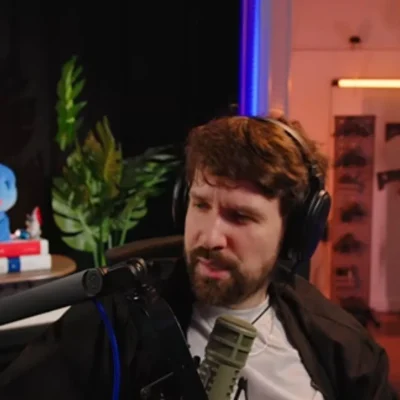
Did you know that many aspiring content creators find themselves struggling with YouTube monetization? A staggering number of YouTubers face challenges gaining financial support on the platform. In fact, popular political commentator Steven “Destiny” recently revealed his own battle with monetization — stating that he is currently ineligible for the next 90 days. This surprising situation sheds light on the stringent content creator guidelines enforced by YouTube and how they can impact even well-established channels. In this article, we will explore the complexities of YouTube monetization, the associated guidelines, and implications for creators like Destiny.
YouTube Monetization: Understanding the Basics
When diving into the world of YouTube monetization, it’s essential to comprehend the fundamental criteria that channels must meet. YouTube’s Partner Program allows creators to earn money through ads, channel memberships, and other monetization features. However, specific guidelines must be adhered to:
- Channels must have at least 1,000 subscribers.
- Channels must have at least 4,000 valid public watch hours in the last 12 months.
- Content must adhere to YouTube’s policies, including community guidelines and advertiser-friendly content standards.
Consider Destiny’s recent experience: after a review, his channel was deemed ineligible for violating these guidelines, thus resulting in a 90-day wait before he could reapply. This situation exemplifies the challenges creators face in maintaining compliance with ever-evolving policies.
Navigating Content Guidelines for YouTube Monetization
As mentioned earlier, YouTube enforces specific creator responsibility guidelines that all monetized channels must follow. These guidelines emphasize the importance of safe, inclusive, and responsible content on the platform.
Destiny revealed that he received vague feedback, stating, “‘We recently reviewed your channel and found it is in violation of our creator responsibility guidelines.'” Unfortunately, a lack of specifics in their feedback means creators like him struggle to pinpoint what changes to make. Common violations include:
- Participation in abusive or violent content.
- Demonstrating cruelty or malicious behavior.
- Engaging in deceptive practices that could lead to real-world harm.
This landscape forces creators to tread carefully, ensuring their content stays within boundaries to avoid demonetization.
Strategies to Overcome YouTube Monetization Challenges
Amid slipping through the cracks of YouTube monetization, many creators can adopt proactive measures to bolster their chances of receiving financial support. Focus on the following strategies to enhance your channel’s compliance:
1. **Review YouTube guidelines regularly**: Staying informed about ongoing changes to policies can prevent unexpected demonetization.
2. **Engage with your community**: Building a loyal audience creates opportunities for direct support via memberships and donations, reducing the focus on ad revenue.
3. **Diversify your platform presence**: Exploring platforms like Twitch or TikTok can help minimize reliance on YouTube, as discussed in an analysis of political commentary and safety concerns.
To illustrate the importance of these strategies, many successful streamers actively promote content across various channels, ensuring their revenue streams remain robust and diversified.
Understanding the Appeal Process for YouTube Monetization
So, what happens if your channel is demonetized? As Destiny stated, you may have the option to reapply after a waiting period. The appeal process can be a double-edged sword; it may take time and effort, but understanding it is crucial for creators.
When reapplying, creators are often encouraged to:
- Review previous feedback closely.
- Make necessary adjustments to their content.
- Be patient and persistent, as reviews can vary in response time.
Destiny’s situation highlights that not receiving specific feedback makes this process particularly challenging. However, analyzing trends and viewer feedback on videos contributes to improving content quality, which can help in future appeals.
Building a Supportive Creator Community
One of the most effective ways to navigate the complexities of YouTube monetization is to lean on fellow creators. Networking provides valuable insights and support, especially related to compliance and monetization strategies.
Prominent content creators often discuss their experiences candidly, sharing tactics to maintain or regain monetization. For example, the recent disagreement involving Twitch streamer Rani “Stable Ronaldo” and his fellow FaZe Clan member Jason “Jasontheween” hints at broader community dynamics, similar to strategies discussed in our exploration of controversies on Twitch.
As you foster relationships, consider participating in creator-focused forums or discussion groups, where sharing experiences can aid others undergoing similar challenges.
Conclusion: Securing Your YouTube Future
In an era where YouTube monetization plays a pivotal role in content creators’ success, understanding the guidelines and challenges is vital. Destiny’s experience serves as a reminder for creators to stay vigilant and proactive concerning their channel’s compliance with YouTube’s evolving standards.
To deepen this topic, check our detailed analyses on Streaming & Platforms section.