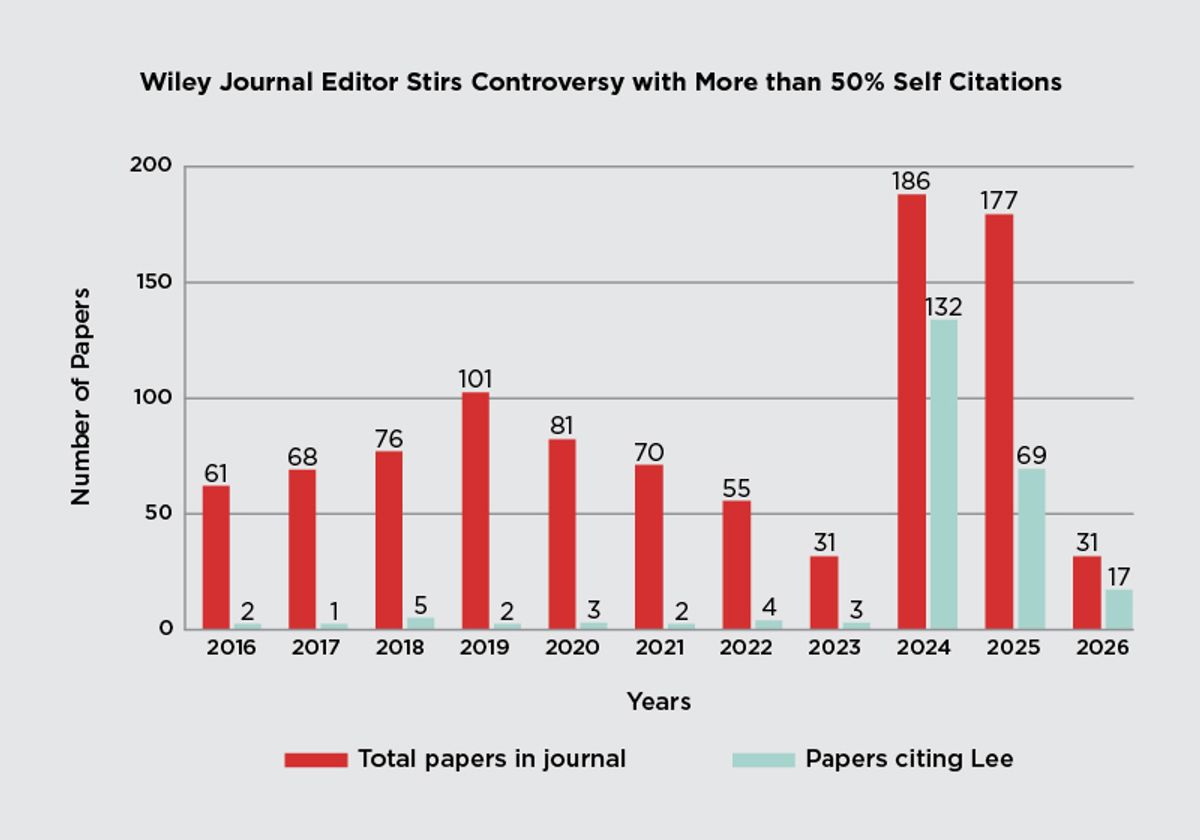
In the world of academic publishing, integrity and ethics are paramount, yet recent events have shaken that foundation. The **Wiley Journal Scandal** has emerged as a significant topic of discussion, raising questions about citation practices and editorial oversight. A striking case involved Timothy J. Lee, the editor-in-chief of the International Journal of Tourism Research (IJTR), whose work was cited in more than half of the papers published in the journal he oversees. This unusual citation pattern has opened a can of worms regarding the motivations behind such practices and the broader implications for research ethics. Researchers and academics are now forced to reevaluate the credibility of journals that allow substantial conflicts of interest to permeate their editorial processes. Here, we will delve deeper into the nuances of the **Wiley Journal Scandal**, examining its implications, the surrounding controversies, and what it means for the academic community at large.
The Rising Tide of Citations: An Overview of the Wiley Journal Scandal
The **Wiley Journal Scandal** initially unfolded when Salvatore Bimonte, frustrated after waiting over a year for his manuscript review, took a bold step. In his email to the IJTR editorial board, he pointedly suggested that his manuscript might have received more favorable treatment had he cited Lee’s work. This incident ignited an investigation into the journal’s editorial practices, particularly the heavy reliance on the editor’s research by authors submitting papers. The role of citation in academic publishing has always been pivotal; however, when a single editor’s work dominates citations, it raises questions about fairness and the objectivity of the peer review process.
Alberto Baccini, a scholar who studies publication metrics, highlighted the anomaly of having 55% of papers published in IJTR between 2024 and now citing Lee’s work. This pattern has never been observed at other journals of comparable stature. The **Wiley Journal Scandal** not only showcases the influence of editorial power but also reveals how metrics might undermine the integrity of scientific discourse.
Understanding the Editorial Influence on Citation Patterns
One of the central concerns surrounding the **Wiley Journal Scandal** is the potential for editorial bias. Reports suggest that many authors, particularly those from institutions in China, feel compelled to cite Lee’s work, creating a distorted representation of his research’s relevance to their studies. Lee himself acknowledged that a prevalent belief among some Chinese researchers is that citations of the editor’s work can improve a paper’s chances of acceptance, even without direct coercion.
Wiley’s response to this emerging scandal included implementing additional layers of review aimed at preserving ethical standards in their publishing processes. As they work closely with Lee to establish effective practices, the academic community is left debating whether this will suffice to restore faith in the journal’s credibility.
Bimonte’s case exemplifies the cascading effects of such editorial practices. Juan Gabriel Brida, a fellow editor, resigned in objection to Lee’s management style, noting delays in the review process and non-involvement of other editors. This dissatisfaction highlights the systemic issues that can arise from placing a single person in a position of excessive authority.
Broader Implications for Academic Publishing in the Wake of the Scandal
The **Wiley Journal Scandal** not only tarnishes the reputation of a singular journal but also poses alarming implications for the academic publishing landscape. As publishing metrics continue to take precedence in academia, editors may find themselves inadvertently becoming advocates for their journals’ impact factors rather than maintaining the scientific integrity of the works they publish. Baccini’s claim that current editorial practices have transformed journals into operational tools for publishers underscores a significant shift that favors **quantitative metrics** over qualitative contributions.
The ramifications extend beyond individual journals; they challenge the entire ecosystem of academic publishing. Researchers and institutions are now forced to confront the ethical dilemmas posed by citation practices that may prioritize reputation over genuine academic merit.
Ensuring Ethical Standards in Future Publishing Practices
The path forward for academic publishing in the wake of the **Wiley Journal Scandal** requires a collective commitment to uphold ethical standards. This situation serves as a clarion call for publishers, editors, and researchers alike to review and revise their practices, ensuring transparency in editorial processes and decision-making.
Some actionable steps can support the restoration of trust in academic publishing:
- Implement clear policies regarding author-editor relationships, specifically addressing potential conflicts of interest.
- Encourage diversity within editorial boards to dilute the influence of individual editors on publication practices.
- Increase transparency in the peer review process, giving insight into the decision-making criteria for article acceptance and citation relevance.
By prioritizing ethical practices, the academic community can safeguard the integrity of research and publication, preventing scandals like that of Wiley from recurring in the future.
Conclusion: The Future of Academic Integrity Post-Scandal
As we reflect on the **Wiley Journal Scandal**, it becomes clear that the issues it presents are emblematic of larger challenges within the field of academic publishing. The community’s response will shape the integrity of scientific research in the years to come. Moving forward, fostering an environment that values ethical research practices while addressing the pressures associated with publication metrics is crucial for maintaining the credibility of academic work.
To deepen this topic, check our detailed analyses on Public Healthsection