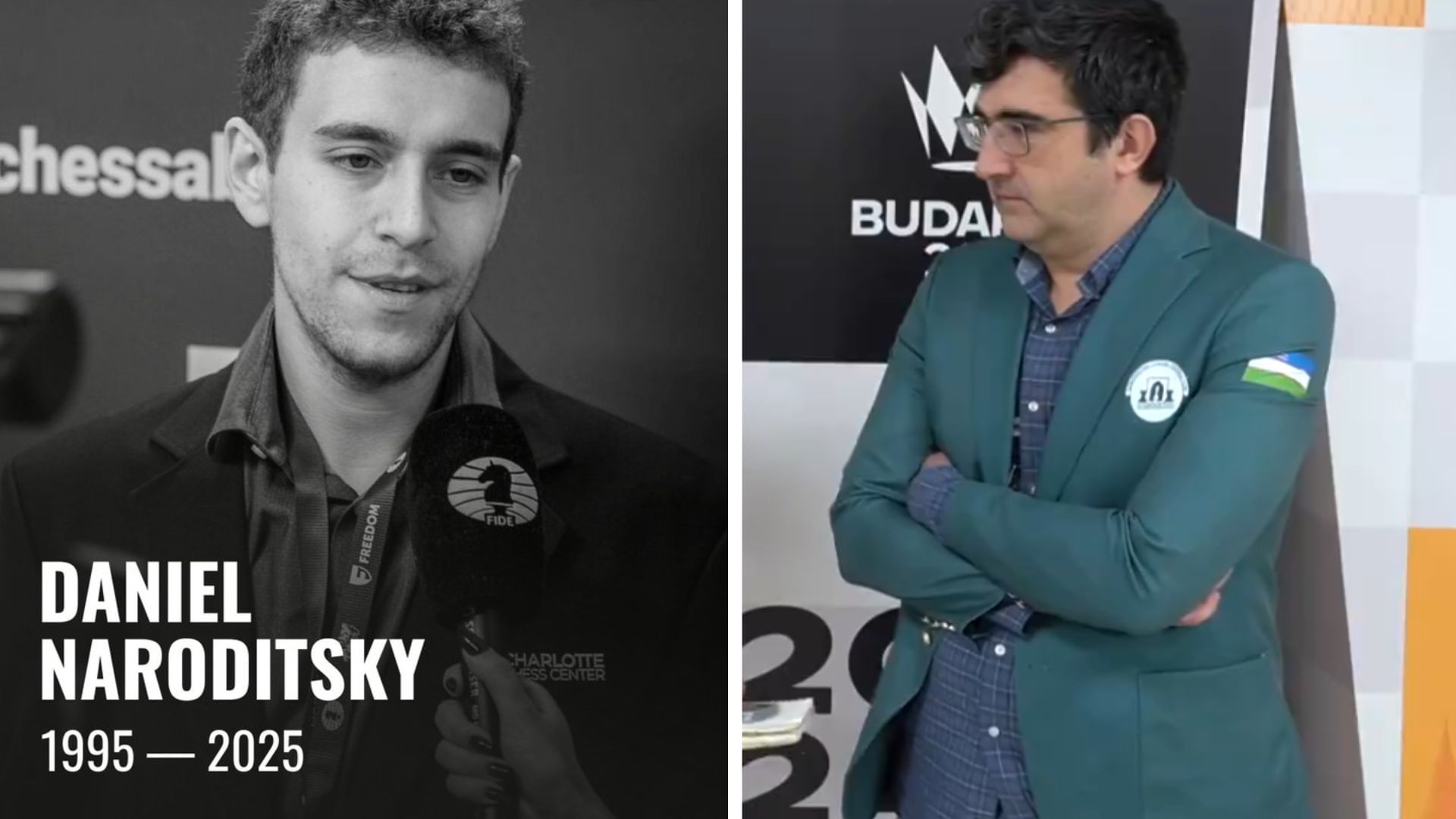
In the world of chess, few names resonate with the same weight as Vladimir Kramnik and Daniel Naroditsky. The recent events surrounding the passing of Naroditsky have ignited a heated discussion, particularly due to Kramnik’s controversial comments on this tragic loss. It is essential to explore these views, as they reflect not only on the individuals involved but also on the broader chess community, which has been deeply affected by these developments.
Vladimir Kramnik’s Perspective on Daniel Naroditsky
Vladimir Kramnik has made headlines recently for expressing his feelings regarding Daniel Naroditsky’s unexpected death. Following Naroditsky’s passing, Kramnik took to social media to share that he had observed signs of distress in Naroditsky over time. He insinuated that the chess community failed to assist when it mattered most. This assertion has raised eyebrows, leading many to question the appropriateness of Kramnik’s statements in such a delicate context.
Kramnik’s posts on X (formerly Twitter) revealed his belief that Naroditsky suffered due to conflicts with platforms like Chess.com and Freestyle Chess, which ultimately sidelined him from critical commentary roles. He suggested that these disruptions significantly impacted Naroditsky’s mental health.
A Community Divided: Reactions to Kramnik’s Comments
Furthermore, Naroditsky was known for his engaging streams and vibrant presence in the community. Thus, the abrupt changes in his visibility and the subsequent fallout was keenly felt by his followers. An analysis of Kramnik’s comments draws attention to a wider issue regarding mental health awareness in competitive spaces and the responsibility of public figures.
The Importance of Mental Health Awareness
This incident highlights the critical need for mental health discussions, especially in high-pressure environments like chess. Daniel Naroditsky‘s case serves as a reminder that even the most talented individuals can struggle silently. The backlash against Kramnik should encourage leaders in chess and other fields to foster supportive communities rather than one that points fingers.
- Mental health support should be a priority in competitive spheres.
- Open communication can prevent despair and promote understanding.
As we reflect on this incident and Vladimir Kramnik‘s comments on Daniel Naroditsky, it is crucial to advocate for environments in chess and beyond that encourage empathy, understanding, and a proactive approach to mental wellness.
Moving Forward: Chess Community Initiatives
In response to the conversations sparked by this tragedy, many chess organizations and players are beginning to prioritize mental health initiatives. Various tournaments are now including discussions about mental health awareness as part of their programming, aiming to reshape the culture within the chess community.
For instance, community workshops addressing stress management, coping strategies for competitive pressure, and creating safe spaces for dialogue are being emphasized. The goal is to develop a robust support system that players can rely on, preventing future incidents like that of Naroditsky.
Final Thoughts: Learning from Tragedy
The chess world has witnessed a profound loss with the passing of Daniel Naroditsky. However, if we channel our grief into meaningful discussions about mental health, we can honor his legacy. It is essential for figures like Vladimir Kramnik to recognize the impact of their words and strive to inspire constructive conversations.
In conclusion, let this be a turning point for the chess community—a moment to reflect, connect, and uplift one another as we strive for a more supportive environment. As we navigate the complexities of competitive chess, mental health awareness must be at the forefront of our conversations.
To deepen this topic, check our detailed analyses on Streaming & Platforms section