In a dramatic turn of events, the recent **Venezuela oil raid** has captured headlines, sending shockwaves through the international community. As tensions between the United States and Venezuela further escalate, the American military operation aimed at capturing President Nicolás Maduro was shrouded in mystery and controversy. With Venezuela possessing the world’s largest proven oil reserves, the stakes couldn’t be higher, both politically and economically. In this article, we will explore the key elements of the raid and the implications it holds for the future of Venezuela and its oil industry.
Understanding the Venezuela Oil Raid: Operation Absolute Resolve
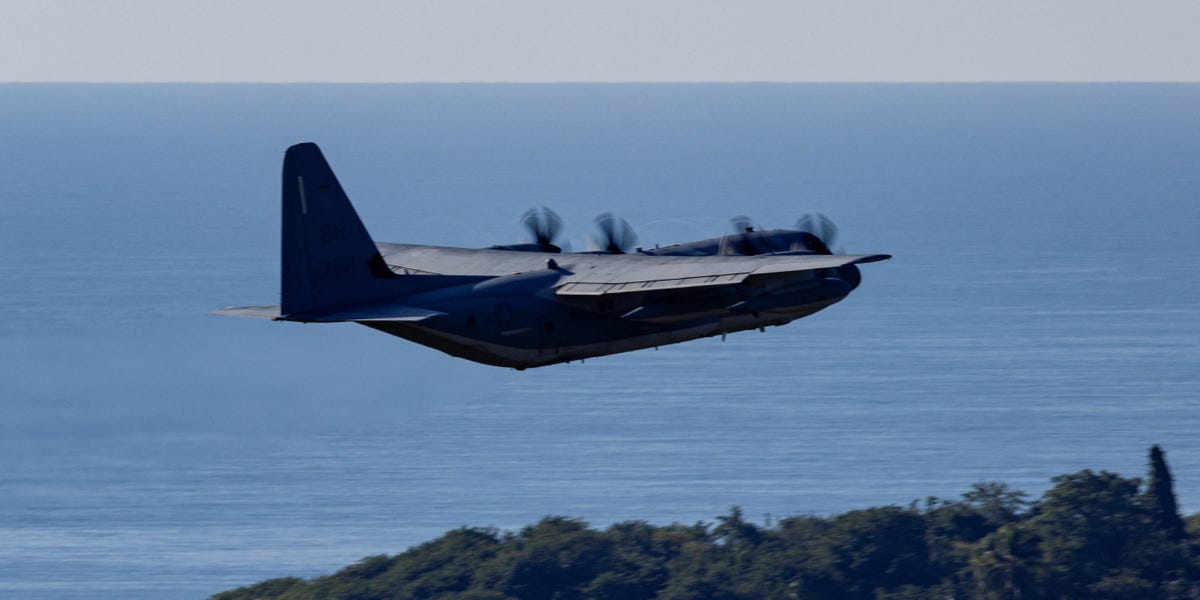
During a press conference, former President Trump revealed crucial details about the military operation, dubbed “Operation Absolute Resolve.” This high-stakes mission targeted a heavily fortified military fortress in Caracas, where Maduro was anticipated to be sheltered. Trump described the operation as “an extraordinary military operation,” utilizing assets across air, land, and sea. This unprecedented display of American military might involved over 150 military aircraft, including fighter jets, bombers, and surveillance drones, specifically deployed to ensure the operation’s success.
The operation’s meticulous planning became evident as the U.S. was equipped with various intelligence and cyber assets that disabled Venezuelan defenses. According to Chairman of the Joint Chiefs of Staff Gen. Dan Caine, the combination of airstrikes and infiltration tactics allowed U.S. forces to achieve their objective—capturing Maduro without suffering any casualties or losing military assets. This operation showcased not only military competence but also raised questions about U.S. intervention in Venezuela’s political landscape.
America’s Control Over Venezuela: What Comes Next?
Throughout Trump’s address, he expressed that the United States would essentially control Venezuela “until such time as we can do a safe, proper, and judicious transition.” This statement raised eyebrows as it implies that the U.S. government may not relinquish its influence over Venezuela easily. The political implications of such control could redefine the nation’s future, especially considering the surrounding instability caused by Maduro’s regime.
In line with this mission, Trump’s administration has asserted intentions to involve major **U.S. oil companies** in Venezuela’s oil sector. The plan includes substantial investments aimed at revamping the ailing oil infrastructure. With Venezuela’s rich oil reserves, Trump’s agenda here poses risks and rewards, as it connects directly to the U.S. strategy to regain influence over a country it once partially controlled.
Furthermore, the capture of Maduro and his potential successor, vice president Delcy Rodríguez, has raised questions concerning the legitimacy of a U.S.-led political transition. Trump emphasized that Rodríguez “really doesn’t have a choice” regarding U.S. involvement, marking a turning point that could affect international relations and energy markets as a whole.
The Economic Repercussions of the Venezuela Oil Raid
The implications of the **Venezuela oil raid** stretch well beyond military triumphs. Economically, the venture aims to restore not just U.S. interests but also the Venezuelan economy itself, which has been crippled in recent years. Trump’s remarks about **spending billions of dollars** to fix the oil infrastructure have sparked discussions about investment, job creation, and potential for economic recovery.
Venezuela’s oil industry, historically a backbone of its economy, requires immediate revitalization to address the rampant poverty and dependence on aid. By reintroducing U.S. oil companies into the market, there is a possibility of re-establishing the nation’s former status as one of the world’s leading oil producers. The groundwork laid by this military action could usher in a new era for Venezuela, but the approach carries the risk of backlash both domestically and internationally.
All Eyes on the Future: Is More Military Action Possible?
As tensions simmer, Trump hinted at the possibility of a “much bigger wave” of military action if necessary. The **Venezuela oil raid** stands as a fierce reminder of the U.S. willingness to resort to military power for strategic geopolitical interests. This sets a precarious precedent, where military intervention could become standard for addressing regimes deemed hostile.
The notion that further attacks may be warranted raises alarms. Should the current strategy fail or unwanted consequences arise, a subsequent military response could further embroil the U.S. in Venezuela’s complexities. Thus, strategic military and political maneuvers will continue shaping the landscape of U.S.-Venezuela relations moving forward.
Conclusion: Navigating the Aftermath of the Venezuela Oil Raid
The **Venezuela oil raid** marks a significant chapter in modern military operations and foreign policy. As the United States moves forward with its plans for control over Venezuela and its resources, the eyes of the world are upon this evolving situation. The complex interplay between military action, political maneuvering, and economic recovery will undoubtedly influence not only Venezuela’s future but also the international oil market at large.
To deepen this topic, check our detailed analyses on Startups section.